


If you run a business today, you’ve probably noticed how fast everything in online retail is shifting. Customer expectations are changing. New tools appear every month, and brands that adapt early often end up miles ahead of everyone else. That’s exactly why understanding the direction of UK e-commerce in 2025 matters more than ever. These shifts aren’t just updates. They’re opportunities. And businesses that know how to utilize them can grow more quickly. Work smarter, and stay competitive in a constantly evolving market.
Why UK Ecommerce 2025 Is a Defining Year for Online Retail
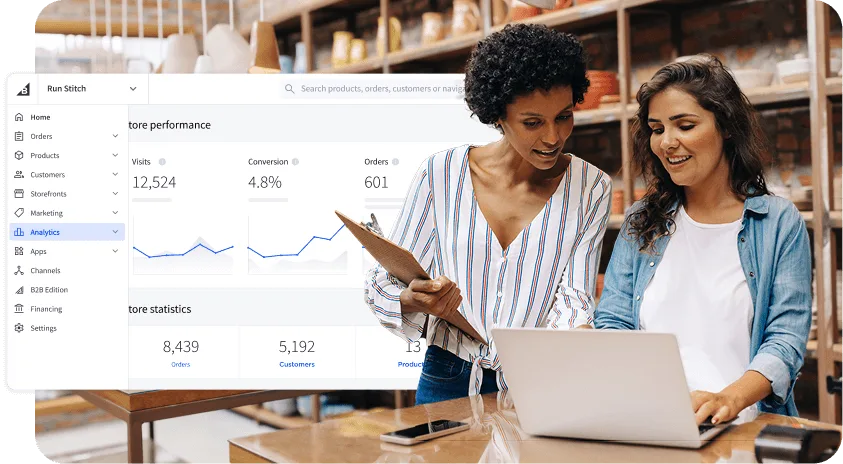
The UK is still one of the best places in Europe to buy and sell digital goods. People who shop here are tech-savvy, want things to be easy, and will quickly stop buying from brands that don’t meet their needs. The Office for National Statistics says that early signs show that lifestyle now plays a bigger role than price in how people spend money online. People want easier checkouts, better delivery options, clearer product information, and real trust.
If you want to grow your business, you need to know how UK e-commerce will change in 2025 so you can stay ahead instead of playing catch-up.
1. Social Commerce Is Becoming a Mainstream Shopping Path

One of the biggest changes in 2025 is how comfortable people have become buying directly through TikTok, Instagram, and YouTube. This is no longer just a Gen Z thing. All age groups are buying through social feeds.
The smartest brands aren’t treating social content like ads. They’re treating it like storytelling.
How to use this trend:
- Make short, real videos that show how to use the product.
- Use micro-influencers who really connect with people.
- Add shops inside the app so that people can buy things without leaving the platform.
- To keep things moving, answer comments the same day.
If you’re not using social-first selling, you’re missing out on one of the fastest-growing ways to sell things online in the UK this year.
2. Mobile-First Shopping Is Non-Negotiable

More people in the UK now shop on their phones than on their computers, and this gap grows every three months. But a lot of sites still feel clunky or hard to use on mobile.
It’s not about making your desktop website smaller when you use a mobile-first approach. It’s about making an experience that feels easy on a small screen.
Steps you can take:
- Use simple layouts with short text blocks.
- Add fast guest checkout options like Apple Pay or PayPal.
- Avoid heavy images that slow the site down.
- Test your pages on different phone sizes.
Businesses that prioritise mobile win more customers across UK e-commerce, especially younger buyers who shop on the go.
3. Transparency Builds Trust: and Trust Drives Sales
People who shop today know a lot more about what they’re buying and who they’re buying it from. They want to know exactly what the materials and ingredients are, where they come from, and what real reviews say. The British Retail Consortium has seen a big rise in people’s interest in products that are good for the environment and are made in a fair way.
To be successful in UK e-commerce, you need to be clear, honest, and real.
What transparency looks like:
- Tell the truth about what your product can actually do.
- Show real customer photos and reviews.
- Add “How it’s made” or “Why we created this” sections.
- Own your imperfections instead of hiding them.
Customers buy from brands they feel they can trust. nothing complicated.
4. Flexible Delivery Options Are Becoming a Deal-Breaker
Flexibility is more important than speed, though. Some customers want delivery the next day, some want eco-friendly delivery that costs less, and others want to pick up their order. Choice is the new convenience in 2025.
And since delivery is such an important part of UK e-commerce, giving customers a choice of options can greatly boost sales.
Practical upgrades:
- Add a low-cost or free delivery tier.
- Display delivery times clearly.
- Give people multiple click-and-collect locations.
- Offer packaging that’s recyclable or minimal.
The easier you make delivery, the faster customers return.
5. AI Is Growing: But It Needs the Human Touch

AI tools are everywhere. product recommendations, chatbots, personalisation engines, and content tools. But buyers don’t respond well to automation that feels cold or robotic.
The trick is blending AI efficiency with human warmth.
You can use AI in your UK e-commerce strategy to handle the heavy lifting while still keeping your tone personal.
How to use AI wisely:
- Use chatbots for easy questions, but have a person ready to help if you need it.
- Make suggestions for products based on how people look through them.
- Set up alerts to let you know when you need to restock or when your order has changed.
- Don’t use AI to write things; use it to make them better.
- In short, use AI to speed things up and help people get to know each other.
6. Better Product Pages Are Driving Higher Conversions
Shoppers make decisions faster than ever, which means your product pages need to be sharp and concise. The goal is quick clarity. not long reading sessions.
Strong product pages are becoming one of the biggest success factors in UK e-commerce for 2025.
Improve your product pages by:
- Adding short, snappy feature lists.
- Using real lifestyle photos over stock images.
- Showing short videos or GIFs of the product in action.
- Highlighting benefits instead of long feature paragraphs.
Small upgrades here can double conversions without increasing your traffic.
7. Sustainability Is No Longer Optional
Consumers expect modern brands to be responsible. They don’t need perfection, but they want effort. Even simple changes can boost your appeal dramatically.
Sustainability has become a leading factor in buying decisions across UK e-commerce, especially among younger customers.
Easy wins include:
- Using recyclable packaging.
- Offering carbon-neutral delivery.
- Sharing your sustainability practices openly.
- Highlighting long-lasting or reusable product features.
Being sustainable isn’t expensive. being silent about it is.
8. Community Is Becoming a Growth Engine
The brands that will be successful in 2025 are the ones that are building communities. not only lists of customers. People stay longer, spend more, and recommend you without being asked when they feel connected.
Community is one of the best-kept secrets of modern UK e-commerce, and it can turn people who only buy once into lifelong fans.
Ways to build community:
- Create small groups on Facebook or WhatsApp.
- Share moments that happened behind the scenes.
- Ask for feedback and show that you really do use it.
- Make loyalty or “VIP” programs.
People don’t just buy things; they buy a place to fit in.
Conclusion: Use These Trends to Rebuild, Refresh, and Grow
The future of UK e-commerce isn’t something to fear. It’s something to use. Every trend in 2025 points toward one idea: customers want smoother experiences, real communication, flexible choices, and honest brands.
If you adapt early. even with small changes. Your business can stand out long before your competitors wake up to the shift.
The opportunities are here. You just have to use them.

