Buying property in Melbourne can be tricky, especially if you don’t know the market well. There are many buyers looking for good deals, so you need the right knowledge and help to make a smart investment. In this guidance, we will explain how to buy property in Melbourne with the help of top buyers agents in the UK, making the process easier and more successful.
Understanding the Melbourne Property Market
Before buying property in Melbourne, you need to understand the market. The city is one of the most liveable places in the world, and many people want to live there. Because of this, property prices keep going up. Things like population growth, new roads, and the city’s culture affect property prices. After knowing these factors, they help us make a good decision when buying and selling properties.
Why we Need a Buyer’s Agent for a Sale Purchase
A buyer’s agent is a professional who helps us search, evaluate, buy, and sell property.
We know that we got the best deal on properties in the UK according to our budget plan and savings. Due to a good property dealer, we avoid bad investments. A competent buyer’s agent can save us time, money, and investments with reduced risks. They also help us in finding those properties that are not advertised publicly, so in this we got some time, such properties that man every time feel good after getting such property. If we want to buy property in Melbourne from the UK, a buyer’s agent is very important.
Doing Proper Research
Before buying a property, you need to do research. This means checking prices, rental income, and how much the area is growing. Buyers agents have contacts and experience finding good properties that will grow in value in the future. They help us in choose the right place to invest our money.
Planning Investments
Having a clear and significant future plan is very important in buying properties. A buyer’s agent will help us make a plan according to our budget and goals. They also advise you on when to buy and how to arrange your finances. A good plan increases your chances of making a successful investment.
The Power of Negotiation
Buying a property at the right price is important. Buyers agents are skilled negotiators who know how to get the best price. They can handle price negotiations and even bidding wars to make sure you don’t overpay.
Finding Off-Market Properties
Some of the best properties are not advertised to the public. Buyers agents have industry connections that allow them to find these hidden deals. This means low competition and a better price for you in the market we got.
Checking Investment Potential
Not all properties are good for investments. A buyer’s agent checks those things like zoning laws, future development plans, and nearby facilities that are hidden or open that affect property value. They will give us a perfect report on whether the property is a good long-term investment or a short-term investment.
Ensuring Quality
A good buyer’s agent doesn’t just help you buy a property; they also check if it is a good one. They do property inspections and recommend professional checks to make sure there are no hidden problems.
Reducing Investment Risks
Investing in property always has some risk. The economy can change, or new laws can affect property prices. A buyer’s agent understands market trends and will guide you to reduce risks and protect your investment.
Developing a portfolio of businesses
If you want to invest in a number of properties, a buyer’s agent can help you build a strong property portfolio. Agents will advise you on all kinds of properties, the best areas to invest in, and when to sell or hold.
Local Market Expertise
Knowing the local market is key to making a good investment. Buyers agents know which suburbs have high demand, good rental income, and future growth potential. Their local knowledge can help you find the best opportunities.
Maximizing Your Investment
The goal of investing in property is to make good profits with little hassle. A buyer’s agent will make sure your investment matches your goals, help you improve rental income, and advise on ways to increase property value.
Choosing the Right Buyer’s Agent
Not all buyer’s agents are the same. To get the best service, choose one with good experience, a strong track record, and good client reviews. An excellent, reputable buyer’s agent will always know your demands and guide you in making great investment decisions.
Conclusion
Buying property in Melbourne, UK, is not easy nowadays, but with the help of a top buyer’s agent, it becomes much easier, as you can imagine.A reputable agent will always provide us with professional advice with legal experience, assist us to locate the best deals, and ensure the success of our investments. Working with a buyer’s agent is the best way to get ahead in the UK market if you are there and wish to invest in Melbourne, UK.
Sports? Oh yeah, the UK eats, sleeps, and breathes it. From kids in the park kicking a ball to packed stadiums full of screaming fans. Doesn’t matter where—big cities, small towns, even in the countryside—sports is everywhere. Some games go way back in history. Some are fresh and new. But one thing? The love for sports never fades 1. Football—The Real King of Games
Football. No competition. Biggest sport in the UK, hands down. Premier League? Massive. Manchester United, Liverpool, Arsenal—these teams? People live for them. You got stadiums packed every weekend, millions glued to their screens. The FA Cup? Been around forever, still exciting. Best part? All you need is a ball. That’s why kids, grown-ups, and everyone play. In the streets, in the parks, it doesn’t matter.
Big Names:
David Beckham—the man, the legend, the free-kick king.
Wayne Rooney—Powerhouse, goal-scoring machine.
Rugby Union—Not for the Weak
Rugby Union? That’s where the tough ones go. England, Wales—they take this sport seriously. Six Nations? It’s like war, but with a ball. Rugby World Cup? A big deal. This sport isn’t just about muscles—it’s about brains too. Schools love it. Colleges? Even more. You wear that national jersey? You feel the pride.
Rugby Heroes:
Jonny Wilkinson—Kicked England to glory.
Martin Johnson—Leader. Warrior. Legend. 2. Cricket—The Sport That Never Ends
Cricket. If patience was a sport, this would be it. Some matches? Five whole days. But people? They love it. The Ashes, England vs. Australia? Huge. Summer rolls around, and suddenly everyone’s watching cricket, talking cricket, breathing cricket.
Cricket Stars:
Ben Stokes—When he plays, you watch.
Joe Root—consistent, calm, classy.
3. Tennis—It’s a Summer Thing
Wimbledon. Strawberries and cream. British summer. It’s the only time most people care about tennis, but when they do? It’s a big deal. Long matches, fast serves, crazy rallies. Fitness? You need it. The UK’s got some big names too.
Tennis Stars:
Andy Murray—Won Wimbledon, made history.
Tim Henman—Always close, never quite got there.
4. Golf—Old, Rich, and Still Going Strong
Scotland started golf, and now it’s all over the world. The Open Championship? Legendary. St Andrews? Golfers dream about playing there. Slow? Maybe. But it’s all about skill. Some love it, some sleep through it.
Golfing Greats:
Nick Faldo—Won everything.
Rory McIlroy—Still smashing it.
5. Athletics—Run, Jump, Throw, Win
London 2012? Changed everything. Suddenly, running, jumping, and throwing became cool. Marathons? Packed. Track races? Everyone watches now. Schools push athletics hard. Good for health, good for competition.
Athletic Legends:
Mo Farah—Run fast, win gold, repeat.
Jessica Ennis-Hill— She dominated heptathlon.
6.Boxing—The Fight Game
Two fighters. One ring. One winner. Boxing? It’s brutal, but the UK loves it. Big fights? Sold out. People stay up late just to watch punches fly. Fighters train for years just to get that one big chance.
Boxing Kings:
Anthony Joshua—Knockout machine.
Tyson Fury—Talks big, fights bigger.
7. Horse Racing—Speed, Bets, and Tradition
Been around forever. Grand National? Royal Ascot? Big events, big money, big crowds. People bet, people cheer, and horses run fast. Simple, but thrilling.
Top Jockeys:
Frankie Dettori—Wins everything.
Lester Piggott—A legend in the saddle.
8. Rugby League—Same Name, Different Game
Rugby League? Not like Rugby Union. It’s faster, harder, and rougher. Mainly a northern England thing, but the Super League? Massive. No breaks, just non-stop action.
Rugby League Icons:
Kevin Sinfield—Led from the front.
Ellery Hanley—One of the all-time greats.
9.Motorsport—Speed Thrills
Formula 1? Big in the UK. Silverstone? Legendary track. British drivers? Some of the best ever. Motorsport? Not for the faint-hearted.
Racing Legends:
Lewis Hamilton—Fastest on the track.
Jenson Button—cool, calm, collected.
The UK and Sport—One and the Same
Football’s the king, but the UK loves all sports. New stars rise, legends retire, but the passion never stops. Sport? It’s not just a game here—it’s life.
Discover essential tips for selecting an ideal dental intraoral scanner for your practice. Make patient care better & workflow easier.
Choosing the right dental intraoral scanner is a very important step for any dental shop. Too many options are available, so it can be very confusing to decide which one fits best for your needs. It’s not only about new technology; it’s about finding a scanner that is easy, comfortable, & makes your work fast.
Using a 3D dental scanner helps you work quickly & makes patients happy. But how do you pick the best one? Let’s discuss important factors.
Understand Your Practice Needs
Before buying a scanner, you need to think about what your dental practice needs. Ask yourself:
What type of work do you mostly do?
How many patients do you see every day? Scanning can help you be fast.
Do you need extra features like 3D image & color match?
Does the scanner work nicely with your old software, or do you need a new system?
Ask your team also, so all people in the shop feel the scanner is easy to use.
Image Quality & Accuracy
One of the most important things is image quality & accuracy. If the scanner gives high-resolution images, the dentist’s work becomes clearer & better.
Good scanners reduce mistakes, so fillings & caps fit properly. Some scanners have smart software to make images even clearer. Before buying, check reviews & compare different models.
Ease of Use
The scanner should be very easy so you & your staff can use it fast. If too much difficulty, time waste, and slow work.
Look for:
Easy button & display
Light & comfy to hold
No heavy weight to make hand pain
Good support & guidance from the company
The scanner must be simple so the dentist can work fast & patients feel less trouble.
Speed & Efficiency
In a dental shop, time is money. If the scanner takes less time, you can see more patients in a day.
Choose a scanner that:
Makes the picture fast, but still clear.
Saves images quickly without hanging
Does not make the patient sit for a long time for scanning.
Fast scanners make work easier & patients happier.
Compatibility & Integration
Your dental 3D scanner must work well with your shop system. If not a match, you need to spend more money on new software.
Check:
If it connects with your CAD/CAM system
If it can update software in the future
If it accepts file types that other dentists also use
If the scanner fits nicely in the system, you do not need an extra headache.
Training & Support
Even if the scanner is the best, if there is no training, then it is a problem. You need a scanner that comes with good support & learning.
Look for:
Free training online or in shop
Good company support if the scanner does not work.
Regular software updates so scanner works new always
Good support means your team will learn fast & use the scanner in a good way.
Cost & Return on Investment
Money is a big factor, but you need to think about long-term profit also. Good scanners may cost more but save time & make more patients happy.
Think:
How much does the scanner save in waste material?
How many new patients do you get with better service?
Can you pay in parts instead of full money?
Spending now for a good scanner can give a big profit in the future.
Reputation & Reviews
Before you buy, check what other dentists say about the scanner. Good reviews mean good scanners.
Read what other dentists think about the scanner.
See if the company has a good name in the market.
Check if the company gives good service & help.
A good scanner with a good name means you can trust it more.
Choosing the Best Dental Intraoral Scanner
Finding the right dental intraoral scanner is a big step for your shop. If you buy a good one, it makes work easy, makes patients happy, & makes you more profit.
Think about:
Your shop need
Image clarity & easy use
Good training & support
If scanner fits ur system
Choose carefully & make smart decisions for long-term benefit.
Did you like this guide? Check our website for more good information about the latest dental technology!
Microsoft is now warning users that they should go back to Windows 10 immediately if they have used workarounds to install Windows 11 on unsupported devices. This comes after weeks of mixed signals, making it more difficult for users to decide what to do before Windows 10 support officially ends in October.
The situation is getting messy. First, Microsoft quietly removed a popular registry tweak that helped users bypass hardware restrictions. Then, just as people were still figuring out what to do, they seemed to remove another trick—the Flyby11 software, which was stopping many users from installing Windows 11.
Now, Microsoft has made it clear—Windows 11 minimum system requirements stay the same, and those who used workarounds to install it should switch back to Windows 10 right now!
This means that if you followed older instructions involving registry tweaks before Microsoft removed them, your installation is not considered valid. Microsoft is now strongly advising users to revert to Windows 10 to avoid potential issues.
This latest update was made on Tuesday and directly addresses all the confusion that came up when Microsoft first removed the registry workaround. In a statement, the company explained:
So, if your PC does not meet those system requirements, Microsoft is basically telling you that you shouldn’t be running Windows 11 at all.
What’s Next for Windows 10 Users?
For those who can upgrade, the free option to move to Windows 11 is still available until October 2025. However, if your PC does not meet the system requirements, your choices are limited:
✅ Upgrade your PC hardware to meet Windows 11 requirements. ✅ Buy a new PC that comes with Windows 11 pre-installed. ✅ Pay $30 per year to keep using Windows 10 for one more year (until October 2026).
Microsoft is pushing users to upgrade because, after October 2025, Windows 10 support will end unless you pay for the extended security updates.
However, many users still prefer Windows 10 over Windows 11, mainly because of performance issues, compatibility problems, and unnecessary feature changes. The latest warning from Microsoft is only making things more complicated for those who are still unsure about what to do.
Why This Matters
This latest move by Microsoft has made things frustrating for many Windows 10 users. The sudden removal of workarounds has made it clear that Microsoft wants everyone to either switch to Windows 11 (officially) or stay on Windows 10 and pay extra later.
Many users feel like they are being forced into an upgrade they don’t want, especially since their PCs are still working perfectly fine. Others are worried about security risks if they continue using Windows 10 after support ends.
Microsoft’s official stance is that Windows 11 is the future, but for now, many people are stuck with a tough decision to make.
Final Thoughts: What Should You Do?
If you have already used a workaround to install Windows 11 on an unsupported PC, Microsoftwants you to go back to Windows 10 as soon as possible. If you haven’t upgraded yet, it’s best to think carefully about your options.
➡️ If your PC supports Windows 11, you can still upgrade for free until October 2025. ➡️ If your PC doesn’t support it, you might need to stick with Windows 10 for as long as possible or consider upgrading your hardware. ➡️ Paying $30 per year for extended Windows 10 security updates is an option, but it only buys you one extra year.
For now, Microsoft has closed the dooron easy workarounds, so users will need to make a decision sooner rather than later.
Property investors and landlords have plenty to think about as 2025 advances when assessing the UK housing scene. Recent Zoopla data shows that property prices all throughout the UK have grown on average about £7,500. But this expansion is not the same everywhere, which clearly distinguishes regions. In terms of development and investment potential especially, the North East and North West have shown outstanding performance. The newest trends are broken out here along with the reasons these areas have fascinating prospects.
While property prices in the UK have typically increased, the development has not been consistent. Leading the pace with outstanding pricing rises are the North West and North East. For example, the North West experienced an average rise of £4,400; 63% of the homes valued there appreciated. The North East had a similar increase, averaging £4,300 and having an even greater percentage—68%—of houses experiencing development. These developments stand in sharp contrast to the Southern areas, where price rises have been few and sometimes property prices have even dropped.
Key Figures for 2025 and Beyond
North West: Just 21% of houses witnessed a fall; 63% saw price rises.
North East: Of the properties valued in North East, barely 19% indicate price cuts; 68% are appreciated overall.
By contrast, average reductions of £900 and £1,300 respectively in the South East and East of England. For property investors, this tendency is making Northern areas more appealing.
Director Find UK Property Steven Hickey notes on this trend: “The difference between north and south underscores the affordability and durability of northern locations. Although southern prices are either flat or dropping, the North still has plenty of space for development.”
Prospect for Investments in the North
For those looking for real estate, the North East and North West provide great promise. Richard Donnell, Executive Director of Zoopla, said “There is lots of space for development in places where property remains inexpensive compared to average salaries, and that includes many regions of northern England and Scotland.”
For first-time purchasers as well as investors, the relative affordability of homes in the North compared to Southern regions implies more demand and the chance for consistent rental profit for landlords.
Key Investment Areas in the North
Cheshire (North West): With over 60% of properties appreciating by £10,000 or more, towns such as Congleton and Knutsford showed a clear rise in property prices.
North East: Seven in ten houses observed a value increase, confirming the area’s potential for property investors in real estate.
Yorkshire and Scotland: Both areas are performing very well, with 60% of properties experiencing a value increase.
Looking Ahead: Outlook for Property Markets in 2026
Looking ahead to 2026, the UK housing market is projected to continue, even in the face of consistent mortgage rates and economic concerns. Compared to 2025, Zoopla forecasts a rise in estate movements, presenting a good opportunity for property investors to gain high income from the shifting UK market, especially in more reasonably priced areas where demand remains strong.
Richard Donnell notes, “Affordability concerns in Southern England still restrict price rises, unlike in the North. Faster wage growth in the North, however, is helping to restore affordability—which is probably going to enable greater migration in 2026.”
Important Learnings for Property Owners
Pay attention to Northern Markets: The North East and North West are great areas for investment as property prices are rising significantly here.
Leverage Affordability: These areas appeal to renters as well as purchasers because of their low cost and potential for capital gain.
Investors in the South: Might choose to diversify their portfolios by investing in northern areas to benefit from these interesting development patterns.
Conclusion
For those ready to go beyond the conventional Southern hotspots, the UK property market offers several prospects as 2025 progresses and 2026 draws near. Smart investors may position themselves to maximize the development prospects these areas provide by investing in the North West and North East, thereby profiting from the affordability that still drives demand. Though the market is changing, the North is likely to remain a significant participant for many years with the correct approach.
We are moving into 2025 as technology is at an unprecedented level, changing the way we are living for work and interaction. A lot of emerging technologies have been set to transform industries, redefine business models, and create new opportunities. With the help of artificial intelligence (AI) to collect computing, these innovations are going to the next level of digital transformation. Here in this article, we will explore the top ten emerging technologies that are expected to dominate 2025.
1. Advancements in Artificial Intelligence and Learning Machines
A lot of industries are continuing to revolutionize through artificial intelligence (AI) and machine learning (ML). AI is now handling the complex tasks like natural language processing, images, and predictive analysis with powerful computation and algorithms.
Key Developments:
• AI Automation in industries in finance and healthcare
• AI-generated content that is similar to human writing
• AI advances computational decision-making, increasing business industries.
2. Quantum Computing
Quantum computing is set to surpass the best computing in processing speed and capabilities in problem-solving. Google, IBM, and Microsoft are making strides in making quantum processors that can tackle complex computations in just seconds.
Potential Impact:
• Best drug discovery and medical research
• Increased cybersecurity with the help of quantum encryption
• Breakthrough in science and logistics Information
3. Extended Reality (XR)
Extended Reality (XR), which aims for Virtual Reality (VR), Augmented Reality (AR), and Mixed Reality (MR), has become mainstream. Business industries such as gaming, education, and healthcare are utilizing XR to enhance experiences and learning.
Upcoming Trends:
• AR-powered smart glasses for hands-free computing
• Virtual workplaces in the metaverse innovation
• New businesses Immersive training for simulations
4. 5G and Beyond
5G technologies are already rolling out worldwide, but experts predict that their capabilities will expand even further by 2025. Faster data speeds, lower latency, and improved connectivity will lead innovation across multiple business industries.
Benefits:
· Enhanced IoT applications with seamless connectivity
· Real-time remote surgeries and telemedicine advancements
· Smart cities with improved infrastructure management
5. Blockchain and Decentralized Finance (DeFi)
Blockchain technologies are now evolving beyond cryptocurrency. They are being used for secure transactions, transparent governance, and digital identity verification. Decentralized Finance (DeFi) is gaining traction as an alternative to traditional banking industries.
Emerging Uses:
· Blockchain-based supply chain management
· Smart contracts for automated business agreements
· Digital identities for secure online transactions
6. Edge Computing
With the rise of IoT devices, edge computing is becoming very helpful for processing data closer to the source rather than relying on centralized cloud servers. This will reduce latency and enhance security.
Industry Impact:
· Faster data processing in autonomous vehicles
· Improved cybersecurity by minimizing data exposure
· Enhanced performance of IoT applications
7. Biotechnology and CRISPR advances
Biotechnologies are making groundbreaking progress in gene editing, synthetic biology, and personalized medicine. CRISPR technologies are allowing scientists to edit genes with high precision, opening new possibilities for disease treatment.
Notable Application:
· Personalized cancer treatments
· Gene therapy for inherited diseases
· Lab-grown organs for transplants
8. Sustainable Technology and Green Energy
The demand for sustainable technologies is increasing as climate concerns rise. Companies are investing in renewable energy, carbon capture, and energy-efficient systems to create a greener future.
Key Innovations:
· AI-driven energy optimization for smart grids
· Hydrogen fuel cells for cleaner transportation
· Biodegradable materials in manufacturing
9. Cybersecurity Innovations
As cyber threats become more sophisticated, cybersecurity technology is advancing to counteract them. AI-driven threat detection and quantum encryption are expected to improve digital securities.
Security Enhancements:
· AI-powered cybersecurity tools for real-time threat detection
· Zero-trust security models for enhanced data protection
· Blockchain-based security solutions for digital assets
10. Robotics and automation.
Automation is reshaping business industries by integrating AI-powered robots into workflows. Robots are increasing efficiency and reducing operational costs by manufacturing for customer service.
Upcoming Trends:
· AI-driven chatbots for personalized customer service
· Automated warehouses with robotic logistics systems
· AI-powered personal assistants for daily tasks
Conclusion
The rapid pace of advanced technologies is driving a new era of digital transformation. These top 10 emerging technologies in 2025 will shape business industries, enhance efficiency, and redefine human interactions. As businesses and individuals adapt to these innovations, staying informed about these trends will be key to leveraging their full potential.
Within the recent past, the minimalist lifestyle has attracted wild attention in most parts of the globe. With consumerism, excess, and fast-paced taking over the order of the day in the world today, people appear to have begun appreciating the wide array of advantages that accrue from reducing clutter and paying attention to what really matters. Living a minimalist attitude to life means being consciously in control over one’s possessions, commitments, and thoughts. This article presents a number of UK benefits that one can relate to in leading a minimalist lifestyle, running the gamut from financial freedom via improved mental health to environmental sustainability and personal growth.
It does not relate to cleaning your house or getting rid of extra stuff in life. Rather, it is a holistic approach that allows an individual to give more focus on quality than quantity, focus on his most important values, and cut down distractions. Minimalist philosophy could be applied in home décor, work commitments, relationships, and personal goals. At its very core, minimalism is a process of subtracting the superfluous to create space for what matters. While consumerism and the relentless pursuit of material wealth go on to be the order of the day in the UK, it does emerge that minimalism does turn out to be a breath of fresh air. It offers a way out of the pressures of needing more and into the realm of living intentionally.
1. Financial Freedom
One of the most immediate benefits of leading a minimalist life could be financial freedom.
By adopting such a mindset, people often reduce their expenditure and thus are in a position where they actually can save more. This becomes particularly paramount in the UK because the cost of living is really high, especially for those who stay in London; mindful decisions on where exactly to spend one’s money make a whole lot of difference in personal finances.
Minimalism is the subtle art of making people not buy stuff because they feel compulsive or it is a part of impressing society. Alternatively, people in their lives become satisfied with just buying what there is a personal need for—a genuine need—useful items or genuinely giving one happiness, that too being some type of clothes, gadget, or household appliance. UK minimalists refrain from impulsive buying, hence loading less economic load on themselves, which then gradually increases the savings, eventually making less outstanding debt and subsequently a budget covering all other healthy investment-worthy options necessary to live fully.
In a society where people mostly spend more than they earn, especially with easy credit and loans available, minimalism provides financial freedom. Reducing unnecessary expenses enables them to pay debts faster, make investments in their futures, or save for vital life milestones, like buying a home or traveling.
2. Less Stress, Better Mental Health
Like many other parts of the world, the issues of stress burden people of the UK due to workplace pressures or concerns regarding personal and financial situations, and hence a lack of respite in life. When a person dwells in an environment that is disorganized and full of clutter, then physical disorganization automatically invites internal mental disarray. The immediate solution lies with minimalism and reducing this clutter weighing heavy upon an individual’s mind.
Several studies proved that clutter creates negative impacts on mental health by inducing anxiety and depression or causing a reduction of productivity. A person who once sought to lead a minimalist lifestyle would develop a zone without chaos in his house or emotional ease to himself. In such a scenario, it will all be tranquil to enable getting better focus, taking more time in getting oneself well-relaxed, and revitalizing. More importantly, this practice of living a minimalist lifestyle often stirs people toward spending more time in endeavors that enhance psychological health, such as jogging, reading books, or spending excellent time with family and friends. Instead of making a collection or working harder to pay them off, many UK minimalists place more priority on experiences and relationships, and these have a more positive connection to happiness or life satisfaction.
3. Environmental Sustainability
Most people these days are conscious of their ecological footprint because they feel they live in a period of climate change and environmental degradation. It should work for the UK due to the fact that some interests in sustainability and green living are already emerging. Minimalists, to some point, usually give a positive contribution to the environment by making few purchases and reducing waste. The minimalist lifestyle implies that people consume fewer products; durable and long-lasting ones are bought instead of fast fashion or disposable goods. This cuts the demand for mass production, which in turn reduces pollution, resource depletion, and carbon emissions. Such UK minimalists make sure that by picking second-hand products or recycling products, the goods they decide upon don’t get landfilled after extremely short usage.
More importantly, it invites man to be sustainable with other available resources such as energy and water and utilize environment-friendly modes of transport. For example, instead of relying on numerous cars or constantly commuting, a minimalist would be observed biking or on foot based on the area in question, or just generally hanging onto public transport for his basic trips; therefore, this diminishes his footprint.
4. More Focus on What Really Matters
Living in the UK’s consumer-oriented, fast-moving society, sight of much that really truly matters can be so quickly lost: work pressures, the family, social media—there is simply no end to the advertisements that beset you from every quarter—can leave you very distracted, connected to less than what matters so well, and with such value to yourself. Minimalism is the beginning of an intrinsic approach to cut out the noise so your honed thoughts on what actually truly matters shine brightly.
Simplification of life frees the minimalist to pursue one’s passions, goals, and relationships with more time and energy. They are free to focus on personal growth, health, and meaningful experiences—not getting caught in some kind of never-ending vicious circle of acquisition versus distraction. Minimalism is, therefore, the solution for people who want to take better care of themselves and their well-being at a time when work-life balance is skewed towards work in the UK. What’s more, minimalism helps people to be more deliberate with their time: fewer commitments and distractions mean people can finally do what makes them happy, whether mastering some hobby, traveling, or simply spending time with loved ones.
5. Increased Productivity and Clarity
Another great advantage of living a minimalist lifestyle in the UK is productivity. By removing distractions and allowing themselves to think more clearly, one can build better focus. This might be very important in a working environment when one needs to multitask, meet various deadlines, and fulfill commitments. It is all about designing your minimalist home or office in a way to invoke focus and efficiency. Suppose any person gets rid of extra stuff in their home and arranges the necessary belongings; it provides one with an atmosphere that really compels focusing and being productive. Various researchers have established that a clutter-free workplace actually enhances one’s creativity, diminishes stress levels, and offers efficiency. As working at home is on the increase within the UK, it creates that room and space, which is important in order for someone to have success and productivity within the home environment. Not only does minimalism declutter one’s surroundings but also cleans up a person’s calendar and commitment lists. Minimalists do not overcommit or pack every second of their day with tasks and duties, focusing on their target and not piling more on their plates. This helps a person not only to be more productive but also to maintain a better work-life balance.
6. Better Relations
It might nourish relationships; it could be in the circle of family or that of friends. Social relationships sometimes get stretched due to busy schedules and modern lifestyles; hence, a minimalist lifestyle could be the best option whereby people of the UK may create meaningful relations. Instead of fitting in an enormous amount of time and quantity, the minimalist will surely focus on investing a few qualitative moments in social connection; he or she, therefore, is going to spend time with people who bring in joy and/or support into one’s life. There is no pressure to attend everything or to know everybody, since it is far easier and much more effective to invest in people who share your values with you and offer mutual support in return. Besides, minimalism nurtures open communication and mutual objectives that could help solidify cooperation and understanding in the relationships. With reduced commitments and a focus on the vital, people should not experience unnecessary pressures and conflicts; therefore, the relationships can be strong and satisfying.
7. More Flexibility and Freedom
A minimalist lifestyle allows one to have more flexibility and freedom in personal and professional life. Since minimalists do not carry extra baggage in possessions or commitments, they can adapt and move with changes effortlessly, putting any opportunity to work. In the UK, minimalism is very much about unlocking people from all their mortgage chains, car loans, and even other financial bondage. All the same, modest living frees one financially and provides one with easy abilities to change location, move, or take newer career opportunities without much hassle. It creates time freedom. With less to look after and less time wasted in consumerist actions, minimalists are free to invest their time in what they really enjoy—be it trying new hobbies, traveling, or basically spending more time with nature.
Conclusion
Minimalism has roots that are deep and strong, grown now in most parts of the world, offering a remarkably powerful antidote to modern-day living pressure. A minimalist lifestyle will be promoted for various benefits such as financial freedom, mental health, environmental sustainability, and personal growth. Simplification in life helps an individual get more clarity in life; peace of mind brings fulfillment in life. But with consumer culture continuing to boom, minimalism is at its heart a refreshing counterpoint: intentional living, in-depth relationships, and sustainable behavior towards the planet. From cleaning one’s house and reducing waste to investing in what is really important, this lifestyle has changed so many lives. And as the numbers in the UK now increasingly turn to it, minimalism promises a considered, balanced, and sustainable future.
Starting one’s own business can be quite exciting and rewarding but does entail a lot of planning and dedication, with some basic knowledge about the legal and financial frameworks that your business has to operate within. If setting up a small business in the UK is what is running in your mind, then this step-by-step guide will take you through the process and make your entrepreneurial journey a success.
It is very important to do thorough research and come up with a solid business plan before launching a business. A well-thought-out business plan serves as a roadmap for your business and helps to clearly state your goals, target market, competition, and financial projections.
Key Elements of a Business Plan:
Executive Summary:
This section entails an overview of one’s business and briefly summarizes the mission, vision, and objectives that lead to its conceptualization.
Business Description:
Describe in detail the products or services you will offer and how they solve a problem or meet a need within the marketplace.
Market Research:
It involves studying the target market, competition, and customers’ needs.
Marketing Strategy:
How you will reach your target audience and realize sales.
Financial Plan:
This is a description of the costs to start up, revenues projected, and funding needs for a startup.
Planning your business will give you a sense of its potential, what challenges you are likely to face, and how you can overcome these to achieve success.
Step 2: Determine Your Business Ownership Structure
Within the UK, there are a number of different legal structures that a small business can take, each with their various advantages and disadvantages. The one you decide upon will affect how much tax you pay, the amount of personal liability you have, and your administrative burden.
Common Business Structure in the UK:
Sole Trader:
The simplest form of business structure, where you, as an individual, own the business and are personally liable for the debts. It is ideal for smaller businesses with lesser risks where you retain all the profit but have a liability to pay income tax on it.
Limited company:
The company is kept separate from an owner or owners by law. That would imply business in itself does exist as a legal entity; there exists the possibility of limited liability, which tends to mean that you are not held personally responsible if the company falls into debt, although the converse may be that it requires a much larger volume of paperwork and administrative work, preparation, and presentation of annual accounts, and completion of returns regarding corporation tax, for example.
Partnership:
This is when two or more individuals together operate a business, with profits shared between the owners, including any liabilities. Each partner has unlimited personal liability in case any debts arise against the business. Partnerships are fairly easy to establish, but, just like sole traders, the partners have unlimited liability.
Limited Liability Partnership:
In the case of a limited liability partnership, the structure of ownership is such that partners hold limited liability, which makes them not be held liable in person for business debts. A limited liability partnership brings together the best of the concepts of partnerships and limited companies.
It is important to take your time and choose the right business structure for your long-term success.
Step 3: Register Your Business
Once you have identified the actual business structure to be given to your venture, you would want to carry out the formality in terms of the business registration process. Sole trader status involves simply registering with HMRC for self-assessment tax, while, in setting up a limited company, Companies House is the place where the registrar for UK companies registers and stores such information.
Steps for Registration:
Sole Trader:
You can register online with HMRC via their website at GOV.UK. This is fairly painless, and you’ll be given a UTR number for tax purposes.
Limited Company:
You need to register with Companies House, showing who the directors and shareholders are, the address of the registered office, choose a company name, and check that it is not already in use.
Partnership or LLP:
You do not have to register a partnership with Companies House, but you should draw up a formal partnership agreement that sets out the roles, responsibilities, and profit-sharing arrangements for each partner. However, you do have to register an LLP with Companies House.
In both cases, you have to make sure that your business is in compliance with UK laws and regulations and may be required to apply for certain licenses or permits depending on the nature of your business.
Step 4: Organize Your Finances
Proper financial management will break or make your business. You open a bank account for business purposes in order to keep your finances separate from that of the company. Being a sole trader, operating through a personal bank account is appropriate, but for easier tracking and tax reporting, it would be better if you opened another bank account.
Things to consider:
Business Bank Account:
Try to find one that has lower fees, includes online banking capabilities, and has good customer service. A business account will be a necessity if you’ve decided to be a limited company.
Accountancy software:
Invest in some sort of accountancy software where you’ll be able to keep record-keeping, documenting your coming in and outlay. Several known ones around the UK include QuickBooks, Xero, and FreeAgent.
Hire an Accountant:
Even though small businesses can perform all the functions themselves relating to finance, it is worth investing in an accountant to assist with filing taxes, payroll, and financial planning.
Bookkeeping:
Record accurately with details of the transactions in respect to sales, expenses, invoicing, and receipts. It saves so much headache later on at tax time.
Proper financial management will keep your business compliant with the tax laws and set it up for long-term profitability.
Step 5: Licensing and Permits
Some types of businesses, due to their very nature, will fall into further regulation and require additional licenses or permits to operate in the UK. Food service providers, healthcare, and construction industries are among many that have further licenses.
For instance:
Food Businesses
Food businesses, from food retailers to restaurants, must register their food business with the local council at least 28 days before opening. You will be required to adhere to food standards and may well be inspected to ensure you maintain appropriate food hygiene practices.
Construction Businesses:
If you are in the construction industry, then you may need to consider registration under the construction industry scheme.
Financial Services:
This would apply if your business provides any type of financial advice or services. You would have to be registered with the Financial Conduct Authority.
Check with local councils, industry regulators, and trade associations to find out what permissions and licenses are required.
Step 6: Insurance Setup
Types of Business Insurance:
Public Liability Insurance:
Insurance is vital for any business and covers one from any unforeseen event that might impact the work or business due to a monetary loss. Being an owner of a small enterprise in the UK, there are a number of variants of insurance that one might consider for a business.
This will cover your business against claims when somebody gets injured or property is damaged as a result of the business operation. This insurance cover becomes a high priority where face-to-face interaction occurs either with clients or customers.
Employers’ Liability Insurance:
This is legally necessary if you employ anyone. It pays out if you have an employee being injured or dying, or failing in health because of anything related to job duties.
Professional Indemnity Insurance:
This provides negligence or professions concern on professional advice or services.
Business Property Insurance:
This would cover any damage to or loss in your business properties, meaning everything that is kept in its buildings, from equipment to stock.
Product Liability Insurance:
This product liability insurance covers you in case there are claims arising from faulty products if your business manufactures or sells products.
While in the majority of cases it may not be legally required, insurance is highly recommended in order to protect your assets and your business.
Step 7: Market Your Business
It is crucial for marketing to reap customers and sales. You will need to devise some sort of marketing strategy that fits not only into the goals but also into the targeted audience.
Key Marketing Strategies:
Create a website:
The professional website is the essence of any online business; it should be easy to use and responsive, and it must include all the basic information like contact, services or products provided, blog, etc.
Social Media Marketing:
This would include Facebook, Instagram, Twitter, and LinkedIn. Engage your target audience on these platforms through updates, promotions, and relevant content to create brand awareness and trust.
Search Engine Optimization:
This is the optimization of your website for search, enabling you to rank on Google and drive organic traffic to your website.
Networking:
Attend local business events regularly; participate in various trade associations, and make your presence felt among your customers and partners in your industry.
Paid Advertising:
Run some paid ads on Google or social media for better visibility and generating leads.
Step 8: Launch and Grow Your Business
Once all is set, it’s time to unleash your business into the world. You can plan a launch event or some sort of promotion in order to gain buzz and attract the very first customers. Since then, the development will be continuous reassessment and correction of every strategy in order for you to get closer to perfection.
Growth Strategies:
Customer Feedback:
Obtain regular feedback from customers on how one can improve, either in offering your product or service.
Diversify/Expand Offerings:
Diversification or expansion of offerings should be done once you have established your business.
Invest in Employees:
Proper growth of a business involves hiring employees who can scale up the operations and also improve customer service.
Conclusion
Setting up a small business in the UK requires planning, adhering to the law, and thinking strategically. From research and registration down to marketing and growth, follow these steps to set up a successful and sustainable business. With commitment, flexibility, and learning on the go, you are good to go for success as an entrepreneur in the UK.
Of late, staycations have become popular, and for good reason.Be it the flexibility, cost-effectiveness, or simply a desire to find hidden gems closer to home, a staycation offers an ideal way to unwind without the stress of long-haul travel. With its rich history, beautiful landscapes, and all sorts of other attractions, the UK can be the ultimate destination for any kind of traveler when it comes to a staycation. Be it a family vacation, a couples getaway, or traveling solo, the UK has plenty of activities to suit every taste and preference.
In this article, we will be discussing the top staycation ideas across the UK for families, couples, and solo travelers, along with the best destination insights, activities, and experiences that will make your next staycation unforgettable.
Whether it is for families looking for a combination of adventure, fun times on the beach, and exploration outdoors on their staycation, Cornwall has everything: endless stretches of beautiful sandy beaches, rugged cliffs, and charming seaside villages offering innumerable options for family-friendly activities.
Highlights:
Falmouth has a history of being connected with the maritime side and should appeal to most family units that prefer friendly coexistence, from visits to the National Maritime Museum up to a great variety of outings into the sea harbor.
St Ives: The beaches and quaint streets make St Ives a perfect place to relax by the sea with the family. There is also plenty for kids to do with lots of art activities at the Tate St Ives gallery.
Eden Project: This is an educational garden attraction near St. Austell, comprising the largest interior rainforest worldwide. Children would just love walking through biomes, teaching them about sustainability, and all types of fun at the outdoor areas in the garden.
Outdoor Activities:
Lessons on surfing in Porthcawl Beach are available.
Cycling along the Camel Trail, which is a very scenic path from Padstow to Wadebridge.
Beachcombing and rock pooling in the numerous coves and bays.
2. Lake District: Nature, Hiking, and Lakeside Fun
The Lake District is also a heaven for families on a quest to have an outdoor vacation, with its fabulous lakes, towering peaks, and charming villages. It offers so many activities for people of all ages.
Highlights:
Windermere: This is England’s largest lake, offering boat tours around it, hiring kayaks to paddle yourself, and having picnics along its sides. It is also surrounded by lots of family-friendly hikes and great viewpoints.
Keswick: Ideal for a day out with the family, with local shops and museums, plus outdoor activities such as the Keswick Adventure Centre with kayaking, canoeing, and many other outdoor activities.
Beatrix Potter’s Hill Top: Explore this home of the celebrated author of the Peter Rabbit series. Themed trails and the chance to meet some of the characters from her stories make it a winner with kids.
Outdoor Activities:
The family hikes up Catbells for panoramic views over the lake and its surroundings.
Cycling on the many dedicated cycle paths around the lakes.
Boating on Ullswater, often considered one of the most scenic of the lakes.
3. Yorkshire Dales: Castles, Caves, and Countryside
For families who love history, adventure, and beautiful countryside, the Yorkshire Dales is a great staycation spot. From medieval castles to underground caves, this region really does offer up a fantastic array of activities to suit all ages.
Highlights:
Bolton Abbey: A very nice place to spend time with one’s family on a picnic, the ruins of the abbey lie along the River Wharfe, and there are walking and cycling tracks through the surrounding woods.
Malham Cove: A spectacularly dramatic limestone cliff, much used by walkers. It has an easy family walk that ends in spectacular views.
Ingleton Waterfalls Trail: A beautiful hike through woodland with the added excitement of coming across waterfalls along the way.
Outdoor Activities:
Caving and potholing in the many limestone caves.
Cycling the Dales Cycleway meanders its gentle way through picture postcard villages and countryside.
Horseback riding through the dales.
Staycation Ideas for Couples
1. Cotswolds: Romance and Quaint Villages
The Cotswolds is picture-perfect, from the rolling hills to the chocolate-box villages and cozy pubs, providing a peaceful retreat from everyday life for couples.
Highlights:
Bourton-on-the-Water: Nicknamed the “Venice of the Cotswolds,” this charming village has stone bridges crossing over a meandering river. It’s a perfect place to take a quiet walk or go on a boat ride.
Stow-on-the-Wold: This is a very attractive market town that contains several antique shops, tea rooms, and art galleries and is a perfect venue for a relaxing day of browsing and leisurely lunch.
Chipping Campden: A very picturesque town, filled with historic sites, including the very famous wool church and picturesque streets lined with traditional Cotswold stone houses.
Romantic Activities:
Dine by candlelight in your local gastropub or Michelin-starred restaurants.
Take a leisurely walk out in the countryside on perhaps the Cotswold Way.
Relax in style at this luxury spa hotel set amidst countryside views.
2. Scottish Highlands-Landscape and Solace
The Scottish Highlands offer just what any couple may want: incomparable natural beauty with quietness and an opportunity to draw closer to nature. From walking in the mountains to investigating old castles and further, staying in your cabin—a magical time awaits in the Highlands.
Highlights:
Loch Ness: Take a romantic boat ride across the loch or simply visit the famous Loch Ness Centre and Exhibition to learn about the legend of Nessie.
Isle of Skye: The Isle of Skye has dramatic landscapes, from rugged cliffs, beaches, and waterfalls to the famous Fairy Pools and a hike up the Old Man of Storr for the most spectacular views.
Inverness: The capital of the Highlands, Inverness offers a mix of historic sites and modern attractions. Visit the iconic Inverness Castle or enjoy a quiet evening by the River Ness.
Romantic Activities:
Tasting whiskey at a local distillery.
An all-day train outing on the beautiful scenery of the famous West Highland Line at some of Britain’s most astonishingly dramatic countryside.
Stargazing in the dark skies of the Cairngorms National Park.
3. Devon: Seaside Relaxation and Coastal Beauty
Devon is ideal for couples who especially want to grab a mix of coastal beauty, the charm of romantic towns, or even cliff walks across the county—either exploring most of the sections of the Jurassic Coastal Park or just wallowing in upmarket coastal retreats. A little something magical for every visiting couple.
Highlights:
Salcombe: This picturesque town nestles on the Kingsbridge Estuary, ideal for those couples who enjoy meandering through narrow streets, indulging in seafood, and viewing coastal panoramas.
Dartmoor: For the hiking enthusiast couples, Dartmoor has miles of open moorland with great views. Ancient stone circles, dramatic granite tors, and hidden valleys all wait to be discovered.
Clovelly: Picturesque, famously cobble-streeted village famously tumbling its way down a very steep hill to the sea. Ideal for a tranquil and romantic day out.
Romantic Activities:
Boating trips along the Devon coast or across the estuaries.
Wine tasting at one of the many vineyards in Devon.
Sunset sailing over cliffs of the South West Coast Path.
Staycation Ideas for Solo Travelers
1. Brighton: Arts and Culture on the Coast
Brighton is a lively south coast city that works for solo travelers who want a mix of arts, culture, and relaxation by the sea. Brighton is a cosmopolitan city with its vibrant atmosphere, bohemian culture, and beautiful beach appealing to all tastes.
Highlights:
Brighton Pier: Classic British seaside stuff with arcades, rides, and fabulous views of the coast.
Royal Pavilion: This is a very beautiful palace with Indian-inspired architecture and gardens, highly suitable for solitary walks.
The Lanes: A narrow cobblestone street with a plethora of independent stores, cafes, and antique stores, best explored singularly.
Solo Activities:
Practice yoga or meditation by taking a class to relax and unwind.
Take a tour of the art galleries and museums, of which the most popular is the Brighton Museum & Art Gallery.
Take a leisurely walk along the Undercliff Walk from Brighton to Saltdean.
2. Pembrokeshire: A Calm Nature Combined with Picturesque Beaches
Pembrokeshire, with its stunning coastline, picturesque villages, and tranquil natural surroundings, is perfect for solo travelers who want to relax as much as they want adventure.
Highlights:
St. Davids: Britain’s smallest city, dominated by the elegant St. David’s Cathedral, it provides a quiet base to explore Pembrokeshire.
Tenby: A pretty, pastel-colored town with some great beaches and a super relaxed atmosphere; it’s great for solo travelers needing a break.
Pembrokeshire Coast Path: A superb route for walking, with tremendous views over cliffs, coves, and the sea.
Solo Activities:
Hiking along the Pembrokeshire Coast Path, enjoying solitude and nature.
Kayaking or paddleboarding along the coastline.
Visiting local cafes and chatting with friendly locals.
3. Bath: History, Relaxation, and Wellness
Bath is where solo travelers will want to be, to simply chill out and take in some historical heritage. With the Roman Baths and Georgian architecture to keep your eyes peeled, this UNESCO World Heritage city will tire you out in the many cultural spots and attractions but give you enough relaxing time.
Highlights:
Roman Baths: The ancient Roman baths and their rich history are here.
Thermae Bath Spa: Soak in the natural thermal waters of the open-air rooftop pool with panoramic views across the city.
Royal Crescent: Take a walk around this famous Georgian crescent and enjoy the beauty of the architecture.
Solo Activities:
Indulge in style at the Thermae Bath Spa.
Alternatively, one may spend a quiet afternoon at Bath Abbey or take a casual stroll along the River Avon.
Uncover the independent boutiques and tea rooms hidden around the city.
Conclusion
It’s easy for families, couples, and solo travelers alike to enjoy an unforgettable getaway in this country because it has so many varieties of staycation destinations. Be it the serene countryside of the Cotswolds, the rugged landscapes of Scotland, or the beaches of Cornwall, there is some kind of staycation spot for every kind of traveler. Whether you are looking for adventure, relaxation, history, or anything as simple as the pleasure of discovering a new place, the UK is full of opportunities to create memories. So pack your bags and start planning your next staycation today!
The UK real estate market may prove to be labyrinthine in the end, with its dynamics, legal processes, and demands on finances so peculiarly characteristic of the nation that first-time buyers cannot get a tight grip on anything. Be it a small, cozy flat in London, a family house in one of its suburbs, or some property in the regional markets, buying one’s very first home is an exhilaratingly overwhelming experience.
The following article will take you through practical guidance on how to navigate the UK real estate market and some essential tips for first-time buyers that may be helpful to you in making the right decisions while avoiding common pitfalls.
You really have to know where you stand regarding your finances as you think of dipping your toes into the UK property market. This, in addition to setting realistic expectations for you, might also take you through different phases of the home-buying process in a whole different light.
a. Analyze Your Budget
First, determine how much you have to spend. That means factoring in your savings in addition to your income and your monthly expenses. Your budget should include the following:
Deposit: In the UK, one usually pays between 5% and 20% of the value of the property as a deposit. This, therefore, means that it will range from £10,000 to £40,000 for a home costing £200,000.
Stamp Duty: This is paid on the one-off purchase of a property. First-time buyers get a reduced stamp duty rate, nil if the property is under £425,000. If the value of the property is between £425,000 and £625,000, then first-time buyer stamp duty is paid at a reduced rate.
Additional Costs: Legal fees, surveys, mortgage arrangement fees, and other ancillary costs, including moving expenses or home repairs.
b. Get Pre-approved for a Mortgage
Before you start property viewing, it is a good idea to get a mortgage agreement in principle (AIP). This is a document from the lender that states how much they will lend you based on your financial situation. It is not a formal offer but will give you a better idea of your budget and show sellers that you are a serious buyer.
2. Market Research
Once you have a fair idea of your budget, the next step is researching the property market. The real estate market in the UK is highly varied, and regional differences can provide variance not only in property prices but also in availability and demand. It is very important to understand these differences while searching for a property.
a. Be Familiar with Local Property Markets
The prices of a property market are sometimes quite at variance from another in different regions; for example:
London: The property in this city is among the most competitive, mostly out of the reach of first-time buyers due to average prices well over the national average. House prices may be a little more reasonable in some outlying areas or in areas of the city that are up-and-coming.
Northern Cities: The likes of Manchester, Liverpool, and Leeds are more affordable in terms of property compared to the south of England. Most of these markets are student-driven, growing in industries, with infrastructural development.
Rural Areas: Comparative cheapness is found in housing. However, all the transport systems and other facilities are not so developed; one has to keep these factors in mind before opting for a home in rural settings.
b. Monitoring of Market Trends
Understand the market trends where the property prices are increasing, stable, or falling, which could help you estimate the best time to buy. Similarly, other such tools on websites like Rightmove, Zoopla, and OnTheMarket present how the asking price of any property has varied. This can, therefore, turn out particularly valuable in determining in which area you might want to be looking.
3. Selecting the Right Property Type
There are several types of houses present in the UK property market, each having its merits and demerits. As a first-time buyer, it is important to know the differences and choose the kind of property that best suits your lifestyle and long-term goals.
a. Flats vs. Houses
Generally, flats are cheaper than houses, especially in cities. They are ideal for singles or couples who may need no extra space but may pay additional costs, such as service charges or ground rent, if you buy a leasehold. Houses are more spacious and private, hence suitable for families or those who will be staying in the property for a long period. This, however, comes at a higher price when buying upfront, especially in highly sought-after areas.
b. Leasehold vs. Freehold
Freehold: This means you own the property and the land on which it stands. This is the most favorable, especially for first-time buyers, since this provides you with absolute control over the property with no ongoing lease payments.
Leasehold means ownership of the property, but not the land. Leasehold properties are most applicable for flats and come with annual ground rent fees, along with a limited lease period, mainly 99 years or 125 years. It is important that you check the length of the lease remaining when you buy a leasehold property since a short lease may affect resale value.
c. New Build versus Older Properties
New build properties often boast modern amenities as well as guarantees of energy efficiency. However, they may be more expensive than buying an older property, and/or there may be issues with snagging or other small defects regarding the property in poor condition. Older properties may have more character and, possibly, more space but sometimes require more maintenance and renovations. You should also check for any damp, structural problems or outdated electrical systems.
4. Employ a skilled solicitor or conveyancer
Buying a property requires many papers; thus, finding an able solicitor or a conveyancer will take you through the legal processes of purchase formalities. They:
Perform all searches required, such as local authority searches and environmental searches.
Review the terms of the sale agreement conditions.
Handle the transfer of funds and the legal documentation that comes along with transferring ownership.
Make sure everything is correct regarding the sale with UK property law.
Ensure that you get a person who has dealt with property transactions, especially for first-time buyers, and hence can explain any terms or conditions that you might not fully understand.
5. An Adequate Valuation and Survey
Before investing in the purchase of any property, you do need a survey to assure yourself that the building is structurally sound and there are no hidden problems which will be costly to fix. You do have different kinds of surveys that you may consider:
Condition Report: A basic survey that highlights major issues.
HomeBuyer Report: An inspection that gives more detail concerning the condition and probable risks of the property.
Building Survey: Quite an extensive survey, highly suitable for older properties or properties needing major repairs.
Your lender will, in all probability, commission a valuation report that ascertains the present market value to confirm that such a property truly exists and is further worthy of that particular amount of finance. The valuation would normally have less detail on it compared with a survey and forms another usually vital second opinion regarding the merits or value of this particular property.
6. Know the Legal Process
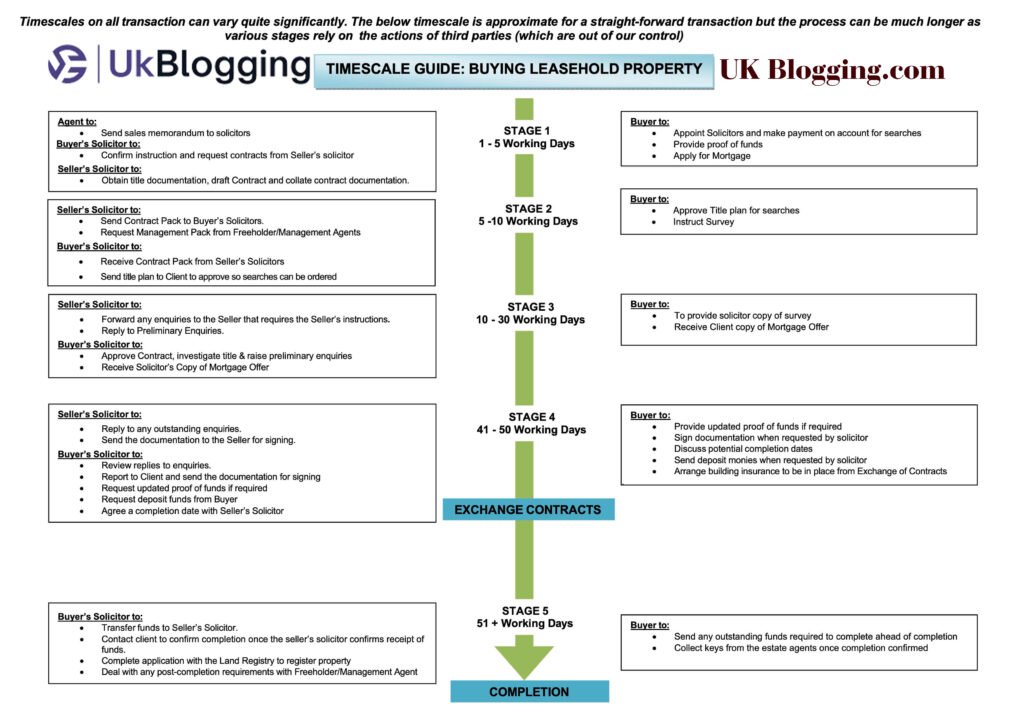
Buying a house in the UK is a lengthy and legally involved process. Here is a general outline of what transpires:
a. Making an Offer
Once you have found a property that interests you, you will want to make an offer. Offers may be verbal or written, and the seller can accept, refuse, or give a counteroffer. Once the offer has been accepted, the property is said to be “under offer,” but this does not always mean a sale.
b. Exchange of Contract
Once all legal and financial checks are complete, you will exchange contracts with the seller. You pay your deposit at this stage—usually 10% of the purchase price—and both parties are legally bound to the sale.
c. Completion
Completion signifies the final stage. The whole price is paid, and you have the possession of it. It can be said that point when a property legally may be said to actually become yours.
7. Avail Government Schemes
The UK government has various schemes that will assist the first-time buyers with:
Help to Buy: This is a scheme that makes a property available to first-time buyers with deposits and provides an equity loan from the government.
Shared Ownership: You can purchase a percentage usually ranging from 25 to 75% of the property; the remainder is being paid as rent. In this position, you are able to increase your share.
First Homes Scheme: A brand-new scheme that offers a discount on new homes to first-time buyers. The minimum discount will be a 30% discount off the market price. See your eligibility for any of the above schemes, as that might bring down the upfront cost of buying a house by quite an amount.
8. Patience and Negotiation
The property market is sometimes quite competitive, especially in areas of high demand. You will need to be patient and flexible in your house search. Don’t be afraid to negotiate the price or ask the seller to pay for some of the additional costs, such as paying for surveys or making a contribution toward legal fees. Sometimes, in slow markets, you may find sellers open to negotiation.
Conclusion
The UK real estate market, though complex to navigate, may seem an encumbrance to first-time buyers; if prepared and at the right place, it is achievable. Learn about your financial scenario, research the market, choose the best property, acquire professional services to assist you with the whole purchasing process, and be patient—that could be a complete formula for getting up to the standard price for one’s ideal dream home. Avail yourself of the government schemes, take expert advice, and go step by step to make the home-buying journey smooth.