Home Blog Page 12

Exploring British Culture: Must-Visit Historical Sites in the UK

0

The United Kingdom is a country with rich history and culture, where the past and present blend in perfect harmony. From the ancient stones of Stonehenge to the opulent halls of Buckingham Palace, the UK offers a wealth of historical sites that speak to centuries of monarchies, revolutions, scientific advancements, and cultural evolution. From history enthusiasts to casual tourists, the UK is a country full of sites that will simply take you back in time. This article is a tour through some iconic historical sites in the UK and explores what they say about British culture.

1. Stonehenge, Wiltshire

Stonehenge is one of the most famous prehistoric monuments in the world, lying at the heart of the English countryside. This megalithic structure is mysterious, with its very origins still a subject of intense speculation. It is believed to have been constructed between 3000 BC and 2000 BC, although its exact purpose remains unknown.

Some theorists suggest it was a temple for astronomical observations, while others believe it was a burial site or a place of religious worship.
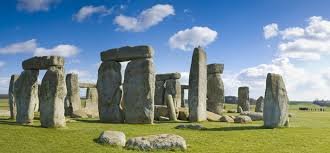
The construction of the site is in the form of large stone blocks arranged in a circular manner, with some weighing as much as 25 tons. These huge stones were transported from as far away as 200 miles, something that has remained a mystery to both historians and archaeologists. Visitors can explore the site and learn about its history through informative exhibits, while the surrounding landscape offers breathtaking views of the Wiltshire countryside.

Stonehenge holds a particular place in British culture because it represents the most ancient relationship with the land and the mysterious past that shaped it. The place is still shrouded in mystery and attracts millions of visitors each year, making it a focal point for anyone interested in more knowledge about British history.

2. London, The Tower of London
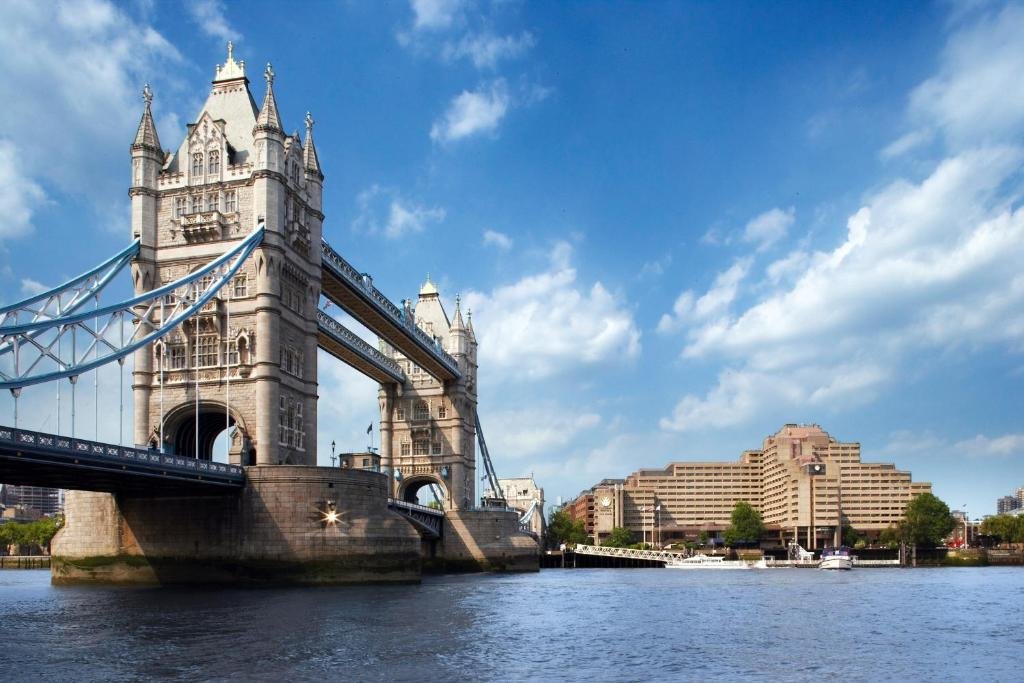
The Tower of London is among the most historical landmarks in London. It was built by William the Conqueror in 1066 and served as a royal palace, prison, treasury, and fortress over the centuries. It may be most famous for housing the Crown Jewels, which include some of the world’s most valuable diamonds, such as the Koh-i-Noor and the Imperial State Crown.

Less savagely perhaps, the Tower has also come to be associated with the darker hues of British history: it is here that so many famous figures have been incarcerated—from Anne Boleyn, Henry VIII’s ill-fated second wife, to Lady Jane Grey, the nine-day queen.

It is one of the towers bearing this name with bloody fame due to the underlining mystery of the disappearance in the 15th century of Edward V and Richard of Shrewsbury, also called the Princes in the Tower. This place provides one of the finest guided tours, full of interactive historic presentations, which really puts one right into the feelings of kings, queens, and prisoners who used to live back in time.

Not only does the Tower of London serve as evidence of royal power, but it is also evidence of those darker chapters in British history, and they see it as an indispensable part of any historical trip to the United Kingdom.

3. Hadrian’s Wall, Northern England

It is one of the most important remains of Roman Britain and a UNESCO World Heritage Site. The wall runs across Northern England from the Irish Sea to the North Sea and was constructed by the Romans in the 2nd century AD under the orders of Emperor Hadrian to protect the northern frontier of the Roman Empire from the tribes of Scotland.

It is a huge structure, stretching 73 miles with the remains of forts, milecastles, and watchtowers along it. The structure ran across what marked the edge of the Roman Empire, but these days, modern tourists are welcome to visit the remains and imagine everyday life at the edge. Probably one of the best-preserved sections is that found near the Housesteads Roman Fort. This section gives guests an overview of how things once looked: remains of barrack houses, granaries, and even the so-called “Roman toilet.”

Equally impressive is the countryside around it, with the dramatic landscapes of Northumberland and Cumbria adding to the experience.

Not only is Hadrian’s Wall an archaeological site, but it also serves as a symbol of the Roman Empire’s expansion and its continued presence within British culture. Exploring the wall is to trace the footsteps of soldiers, traders, and invaders who shaped early Britain.

4. Edinburgh Castle, Edinburgh

Edinburgh Castle sits atop Castle Rock and is arguably one of the most famous landmarks in Scotland, aside from being a very good example of Scotland’s royal history. The castle dates at least to the 12th century and has played a significant role in many pivotal moments in Scottish history, including battles for Scottish independence and the crowning of Scottish monarchs.

Of its features, perhaps one of the most salient is St. Margaret’s Chapel, which represents the oldest existing building in Edinburgh and dates from early in the 12th century. The building houses the Crown Jewels of Scotland, the Stone of Destiny on which Scottish kings were crowned, and the famous One O’Clock Gun, which has been fired every day, excluding Sundays, since 1861.

Edinburgh Castle stands for the strength and resilience of Scotland, having withstood sieges into the hundreds over the centuries. A visit to this place is a must for anyone who shows interest in Scottish history, offering stunning views over the city and a plethora of stories spanning centuries.

5. The Roman Baths, England—Bath
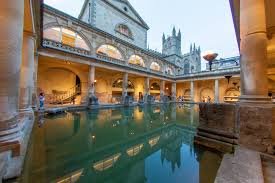
Roman Baths are incredibly well-preserved indications of Roman bathing and social culture, situated in the city of Bath. The city of Bath itself is a UNESCO World Heritage Site, and these historic baths date back to the 1st century AD, with the Romans having built the complex around the natural hot springs used for thousands of years.

It was also divided into four main parts: the Sacred Spring, the Roman Bath House, the Temple of Sulis Minerva, and the museum. These Roman baths really give quite an insight into how the Romans would bathe—they thought that these hot springs cured diseases and healed injuries. Beautifully preserved stone structures greet visitors, who are still able to view the great bath where waters remain, although they are no longer safe to bathe in.

Other than the baths themselves, the city of Bath has Georgian architecture, such as the famous Royal Crescent, making the city a destination combining both Roman and Georgian cultural influences.

The Roman Baths are one interesting exploration back to ancient life during Roman times. If it has to be watched by historians going to southwest England, well—just a visit.

6. Westminster Abbey, London
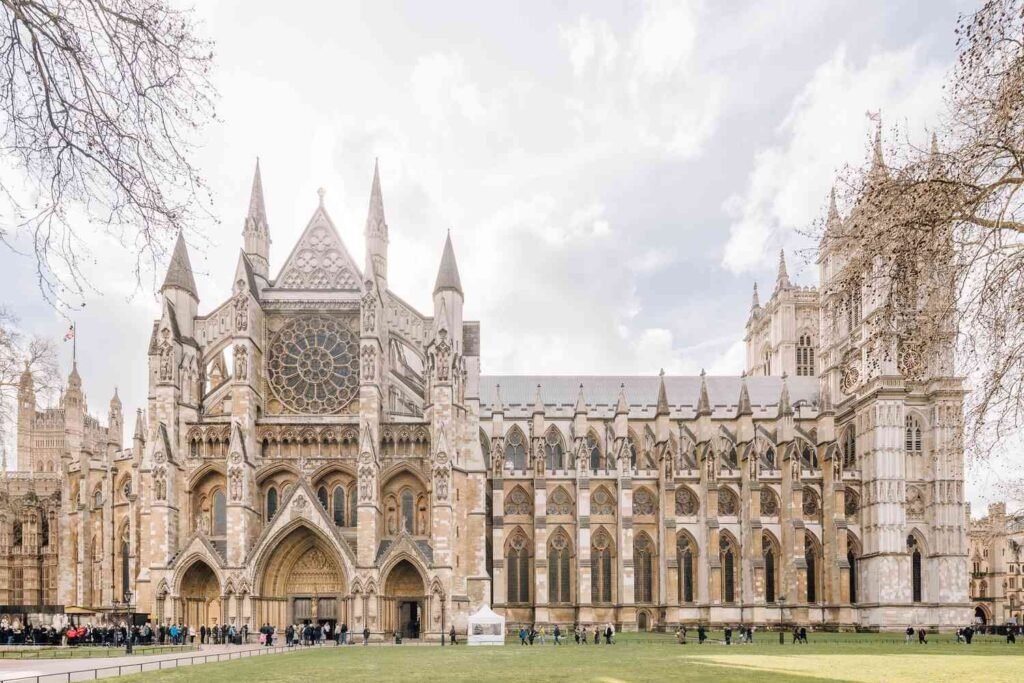
Westminster Abbey perhaps is the most iconic religious building in the United Kingdom, renowned for its beautiful architecture and its central role in British history. Standing at the very heart of London, it has been the site of every English, and later British, coronation since 1066, hence being considered a symbol of the nation’s monarchy.

In addition to being a coronation site, Westminster Abbey is the burial place of several of the UK’s most famous historical figures, from monarchs and poets to scientists and statesmen. The tombs of Sir Isaac Newton, Charles Darwin, and Geoffrey Chaucer are among the most well-known.

The Abbey offers a beauteous structure with Gothic design, and together with its rich historical significance, it basically forms an ideal constituent of London’s historical tour program. The same is the locale where the spiritual and political events of the UK converge, and with this, further development has emerged as a center of British culture and national life.

7. Durham Cathedral, Durham

Durham Cathedral generally is considered the most perfect European example of Norman architecture. This glorious cathedral stands in a dramatic style atop a peninsula surrounded on three sides by the River Wear. It amalgamates Romanesque style with graceful interior decoration. Built between the years 1093 and 1133, Durham Cathedral was built to shelter the relics of Saint Cuthbert, a highly respected saint throughout northern England.

The most striking feature of the cathedral is its Norman vaulted ceiling, which is one of the largest in Europe. The cloisters are equally impressive and form a very quiet, secluded oasis away from the grandeur of the building itself. Durham Cathedral was a very important place in the medieval church and remains a place of worship and pilgrimage today.

The mighty Durham Cathedral represents one of the finest works from the Norman era and an architectural miracle that simply should not be missed for any lover of medieval architecture and history going up north in England.

8. University of Oxford, Oxford
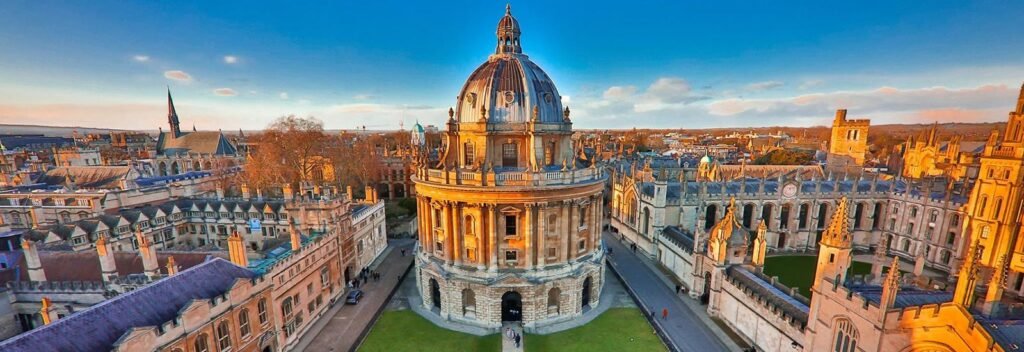
Oxford University has, since time out of mind, been the oldest institution of higher learning in the Anglophone world and served as a repository for all things quintessentially British. Oxford, established during the 12th century, has provided education to many of the most influential figures throughout history, such as many British prime ministers, writers, scientists, and philosophers.

With literally so many colleges comprising this university, it’s not possible to tour all of them; however, a few of the most well-known universities include Christ Church and Magdalen College, all with historic tours to explore buildings, tranquil courts, and some very iconic libraries. The Bodleian is one of Europe’s oldest libraries with several million volumes of books and manuscripts, where the works of William Shakespeare and J.R.R. Tolkien were created.

The city of Oxford itself is a fine combination of ancient architecture and modern academia, and for that, it is well worth visiting for those interested in British intellectual and cultural history.

9. Windsor Castle, Windsor
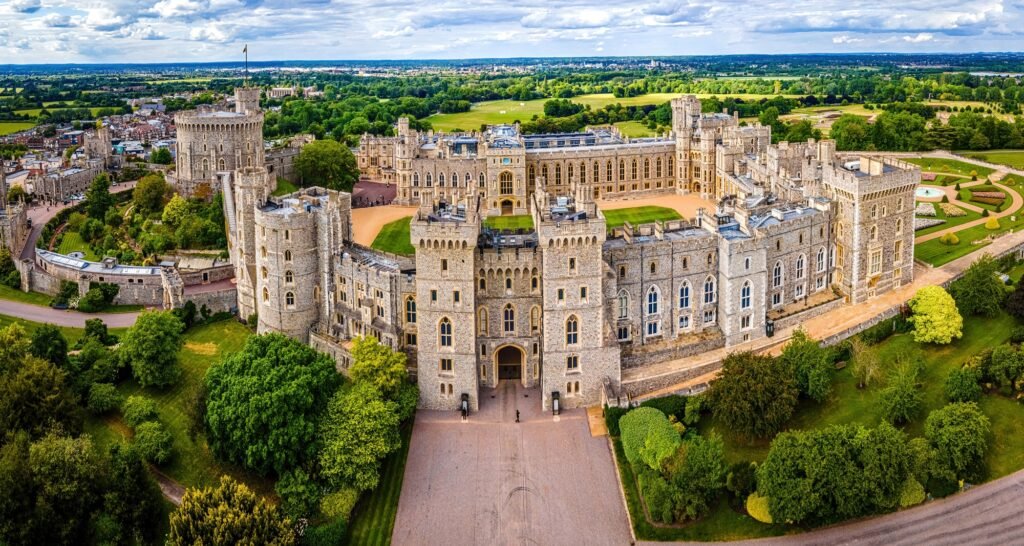
This makes Windsor Castle the oldest and largest occupied palace in the entire world; it has remained a residence for the British monarchy for more than a millennium. Tucked away within this quintessential country town, Queen Elizabeth II dwells there. The iconic place bears enough evidence to talk of the relentless glory of one of the most ancient monarchs’ power—United Kingdom of England. Visitors to Windsor Castle take a tour through the opulently furnished State Apartments, hosting the royal functions, St. George’s Chapel, which has been used for many a royal wedding, including that of Prince Harry to Meghan Markle in 2018, and the equally impressive grounds and gardens of the castle—a sense of what the royal lifestyle is and has been for centuries. Windsor Castle is the very center of British royal history and culture that allows one to peek at customs, ceremonies, and life at large in the British monarchy.

Conclusion

The UK holds innumerable monuments of various repute, oozing an ever-occurring yet vastly diversified cultural heritage. From the mysterious prehistoric structure of Stonehenge to medieval magnificence at Edinburgh Castle and the academic reputation of Oxford University, the UK offers a wealth of history for visitors to marvel at. Each site has its own story to tell, contributing to the wider story of the country’s development from ancient times right through to the modern day. Whether you are a history enthusiast or simply someone who enjoys exploring the past, the historical sites across the UK are an essential part of any journey through the country.


10 Easy Ways to Make Your Home More Energy Efficient in the UK

0

In the face of growing concerns about climate change and soaring energy prices, it has never been so crucial to make one’s home energy-efficient. Homeowners in the UK are actually looking at ways to reduce their carbon footprint and decrease energy bills to have a more sustainable living environment. Still, improving energy efficiency needn’t have to mean expensive upgrades or major renovations.
First, there are some easy, inexpensive things you can do to make your home more energy-efficient, save money, and help protect the environment.

1. Upgrade Your Insulation

Improving the insulation in the house is one of the best ways to make it energy-efficient. Poor insulation is one of the most common problems that most houses face in the UK, particularly the older ones, resulting in heat loss and increased consumption of energy.

Loft Insulation

About 25% of heated heat gained is lost through the roof. Because of that, adding or improving loft insulation prevents heated or cooled air, respectively, inside the house.

Wall Insulation

The walls are another avenue through which heat escapes, especially solid walls that are common in old houses. Fixing these energy-wasting walls with cavity wall insulation is one of the high-impact ways. In such solid walls where cavity wall insulation cannot be considered, either internal or external wall insulation is performed.

Insulation of Floors

Most of the floors, when above unheated areas like garages or basements, can be prone to heat leaks. These points significantly show large differences in terms of energy consumption.
This will consequently help to increase insulation in your house, thus turning it into a more comfortable place by reducing the need for heating and cooling systems to work extra hard.

2. Seal Drafts and Gaps

Gaps around windows, doors, and other openings can let a surprising amount of heat escape, making your heating system work harder than it needs to. Sealing drafts is an easy, low-cost way to improve energy efficiency.

Weatherstripping and Draught Excluders

Installation of draft excluders on the doors and windows is an easy fix in order to save the warm air from escaping. One can also weatherstrip around the doors and windows to seal little gaps.

Letterboxes and Chimneys

Sealing gaps can be done here too. A good idea is to use a letterbox draught excluder or even chimney balloons when not in use.
By sealing these drafts, you reduce the constant heating of the home, thus reducing energy bills.

3. Energy-Efficient Lighting

Lighting in your house consumes a great deal of energy. The conventional kind of bulbs, the incandescent, are not friendly to energy; much of the consumed energy is transformed into heat rather than light. More energy-friendly lighting will eventually save you some money.

LED Bulbs

LED bulbs are presently the most energy-efficient option among all alternatives in lighting. Their maximum consumption is 85% less than that of incandescent bulbs. They can also last much longer with a cost-effectively equivalent investment.

Smart Lighting

Smart bulbs or smart lighting, on the other hand, tend to reduce energy consumption by allowing one either to turn the lights on or actually to change their brightness and act according to built-in timers—not to be used redundantly.
You can save on electricity without sacrificing illumination by installing energy-efficient light bulbs.

4. Smart Thermostats

Most households in the UK consider heating to be a big expense, and when it gets really cold outside, that is when energy consumption can get most excessive. On the other hand, smart thermostats can provide you with better management of your heating and cut down unnecessary energy consumption.

Smart Thermostats

Control your heating remotely with a smartphone app that can adjust the temperatures based on your schedule, even learning over time how to set your preferences. That means your heating will turn on only when you need it to and won’t waste energy on heating an empty home.

Energy-Saving Modes

Most of the smart thermostats can also have energy-saving features like programming the thermostat to turn down heating when one is away and turn it back up before one’s arrival.
A smart thermostat can help you make sure you’re not overheating your house more than it needs to be, which could save you a lot in energy.

5. Replace Appliances with Energy-Efficient Ones

Another easy way to save on energy consumption within your house involves replacing old inefficient appliances with modern, energy-efficient ones. For example, some appliances in the UK are rated in regard to the efficiency of working from A+++ for those most efficient to G, the least.

Efficient Washers and Dishwashers

Of late, these two come into the market and consume lesser water and lesser electricity. So in cases when purchases in such brands can be affordably done, prefer A-rated and above to offset bills for power and water consumed by home occupants.

Fridges and Freezers

Operating these appliances through the day and night, energy efficiency in an upgraded model will have big savings over a long period of time.
Although new appliances can be very costly to purchase upfront, they are definitely worth the investment due to long-term energy savings.

6. Consider Installing Solar Panels

If you own your own house and you can look to long-term investment, then definitely solar panel installations are something one would have found great in finding renewable energy with less reliance on grids. The most important benefits behind the usage of photovoltaic panel systems exist, which convert sunlight into merely electrical functions existing within a particular household.

Electricity Bills

Solar energy can help you reduce your bills tremendously, sometimes even selling the extra to the grid.

Government Incentives

The UK government has attached several incentives with solar panels; one of them is SEG, Smart Export Guarantee, which allows individuals to generate some revenue on the additional energy produced by the solar panel. Although they require a great upfront investment, solar panels can cut down your expense in the longer run and, at the same time, reduce your carbon footprint.

7. Double or Triple Glazing

Other common heat losses in a house are through the windows. Replacing single-glazed windows with double or triple glazing will be an improvement to the insulation in your home, thus reducing your energy bills.

Double Glazing

Double-glazed windows are twin panes of glass divided by a sheet of air and gas bound together for better insulation against single-glazed windows.

Triple Glazing

Triple glazing involves the addition of a third pane of glass for maximum insulation. This is quite useful in homes where the climate is very cold.
The investment in double or triple glazing will serve to keep one’s home warm in winter and, therefore, reduce the necessity for excessive heating.

8. Maintain Your Heating System

This, by all means, will make all the difference in efficiency, since regularities in heating maintenance are in place. Whether a gas boiler, heat pump, or any other system you may have installed, maintaining such equipment under prime conditions will ensure peak efficiency with no wasting of energy.

Annual Servicing

Servicing of the boiler by a capable professional should at least be annually done in order to make sure that the boiler is in good condition.

Bleed Radiators

Trapped air in your radiators can make them work less efficiently. Bleeding them once a year will ensure they are always working at their full capacity.
This will reduce energy consumption in heat production, since a well-maintained heating system is bound to be more efficient, hence costing less in terms of energy expenses.

9. Energy-Efficient Window Treatments

Your window treatments can also help with the energy efficiency of your home: the proper curtains, blinds, and shades will let you save from heat loss in winter and keep your home cool during summer.

Thermal Curtains

Thick, insulated curtains or blinds do not let the heat escape through your windows during winter, while reflective or light-colored blinds reflect sunlight away from your home during summer, keeping it cool.

Window Films

Proper application of a reflecting UV window film reduces solar heat gain throughout the warmer months by lowering demand for air conditioning.
The right window treatments can just be what it takes to bring in efficiency into your home all year long.

10. Use Appliances Wisely

How you use your appliances can make quite a big difference in the way you consume energy altogether. Small changes in your habits can result in noticeable savings on your energy bills.

Lower Temperature Washing of Clothes

Washing clothes at lower temperatures, such as 30°C instead of 40°C, saves a lot of energy with no loss in cleanliness. Similarly, unplugging appliances: Most electrical devices continue to use energy even after being turned off. Pull these devices out when not in use, or use a master power strip where several can be shut off together, to decrease your standby power use.

Boil Only the Water You Need

Every time you use the kettle, fill it with only the amount of water you would be using at the time, not to its full capacity every time. These simple habits make you more energy-conscious and cut down on unnecessary waste of energy.

Conclusion

Increasing the energy efficiency of your house does not have to be in large-scale renovation or in expensive upgrade form. Small, simple steps can go a long way in making their difference: improving insulation, replacing energy-intensive appliances with energy-efficient ones, and changing energy use practices. This would go a long way in reducing the carbon footprint, lowering your energy bills considerably. The UK government also gives subsidies to individuals on grants that such improvements in the energy efficiency front would have low costs. What you will benefit from is more than contributing towards fighting climate change but a house that is both comfortable to live in and cost-effective. Try putting one or two of them into practice over time to an energy-efficient home. Your future self—and the planet—will thank you.

A Foodie’s Guide to Great British Food and Restaurants 2025

0

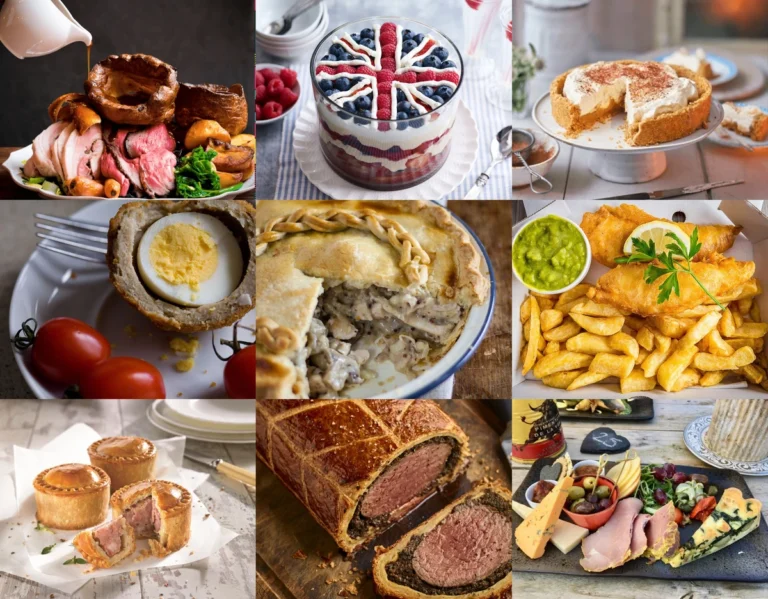
The United Kingdom is often a country of traditions, but it also has much to offer: from comfort foods to innovative gastronomic delights. Long overshadowed by its more renowned European counterparts, namely French or Italian, British food has enjoyed a recent renaissance.
Today, the UK is not only known for preserving its rich food heritage but also for embracing global influences and culinary creativity. For food lovers, the UK is a treasure trove of gastronomic experiences that range from iconic dishes to world-class fine dining, with something to tantalize every palate.

The Best of British Food You Should Try

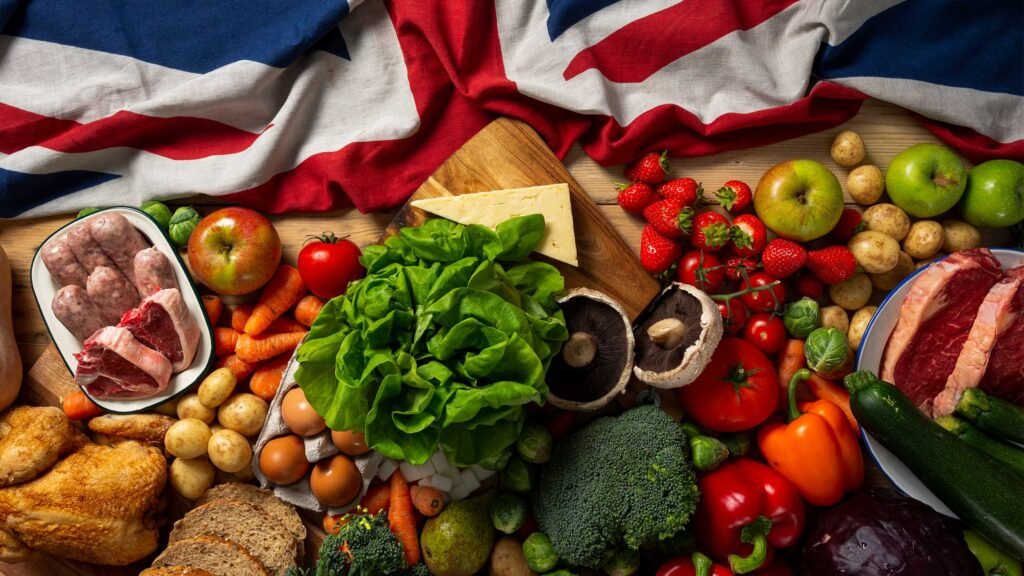
Before going deep into the restaurants, it is important to consider the traditional British dishes one should not miss. British food is known for its heartiness, rich flavors, and simplicity, often reflecting the country’s agricultural history.

1. Fish and Chips

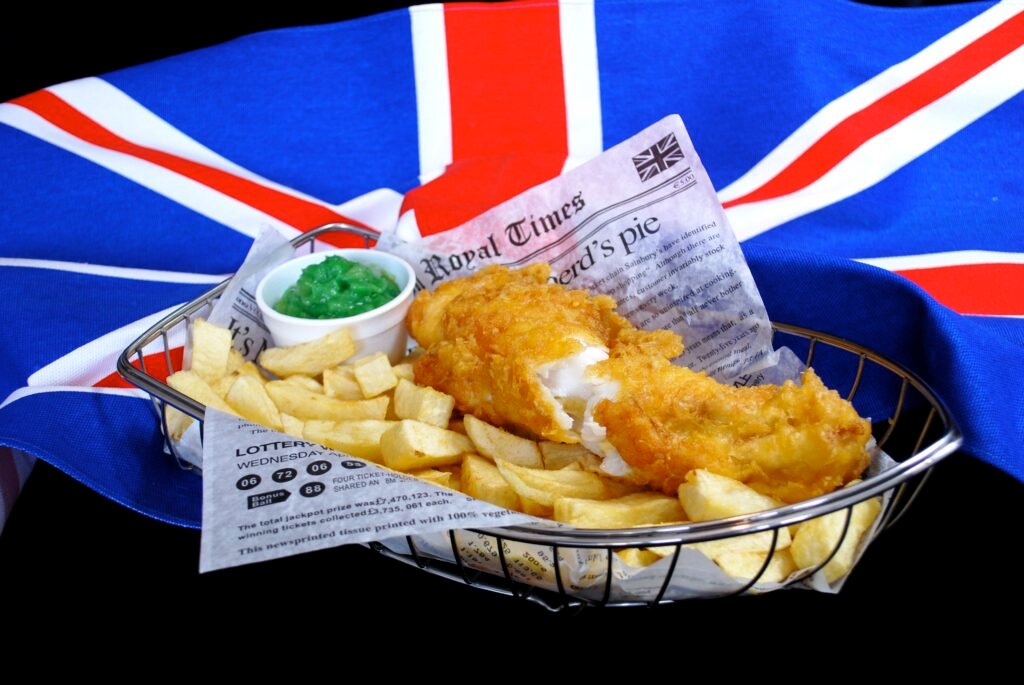
Probably the most recognizable of all the dishes that make up British cuisine, fish and chips have been a staple dish in the UK diet since at least the mid-nineteenth century. In this comfort dish, crispy, battered fish—either cod or haddock—prepared with thick-cut fried potatoes is a good meal for both locals and visitors.
Best devoured with a side of mushy peas, dolloped with tartar sauce, and sprinkled liberally with malt vinegar, you can find fish and chips in just about every corner of the UK.

While it can be had at many seaside towns or local chippies, London’s Poppies Fish & Chips and Golden Union are renowned for perfecting the execution.

2. Full English Breakfast

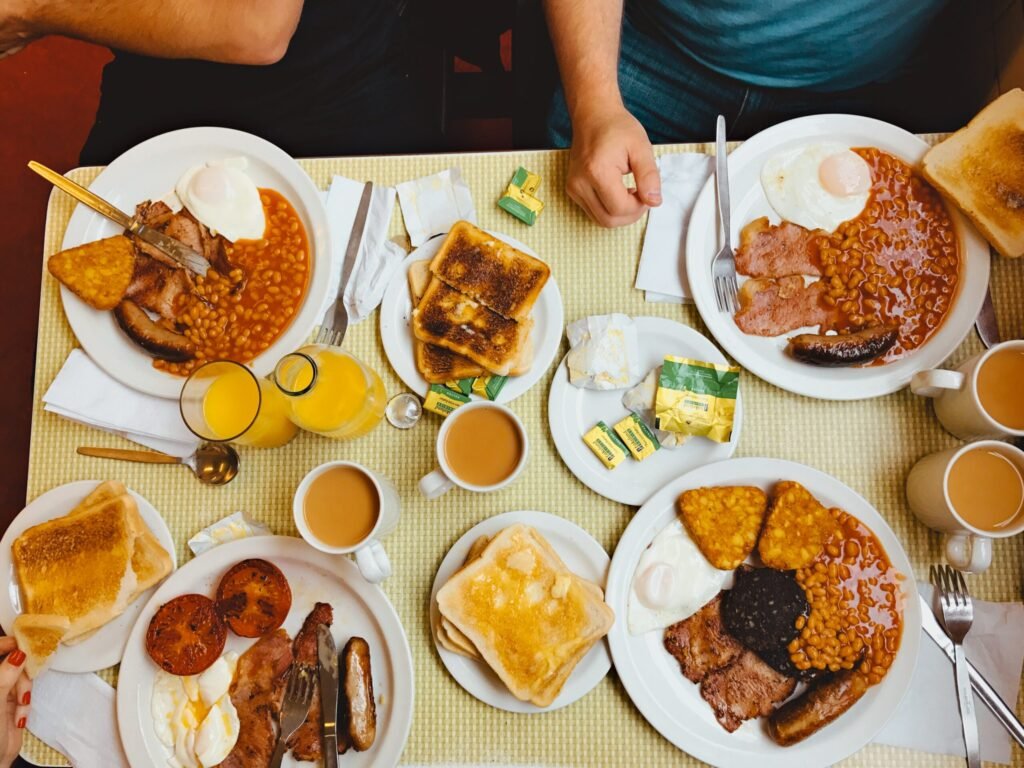
The full English breakfast, also known as the “fry-up,” has been enjoyed throughout the generations. It classically includes fried eggs, sausages, back bacon, black pudding—a blood sausage—grilled tomatoes, baked beans, sautéed mushrooms, toast, or fried bread. This is the ultimate comfort food, mostly served for a busy day to get one going and very popular in cafés and hotels throughout the UK.

A variety of those good places for this full English breakfast in London includes a famous place named The Breakfast Club.

3. Sunday Roast

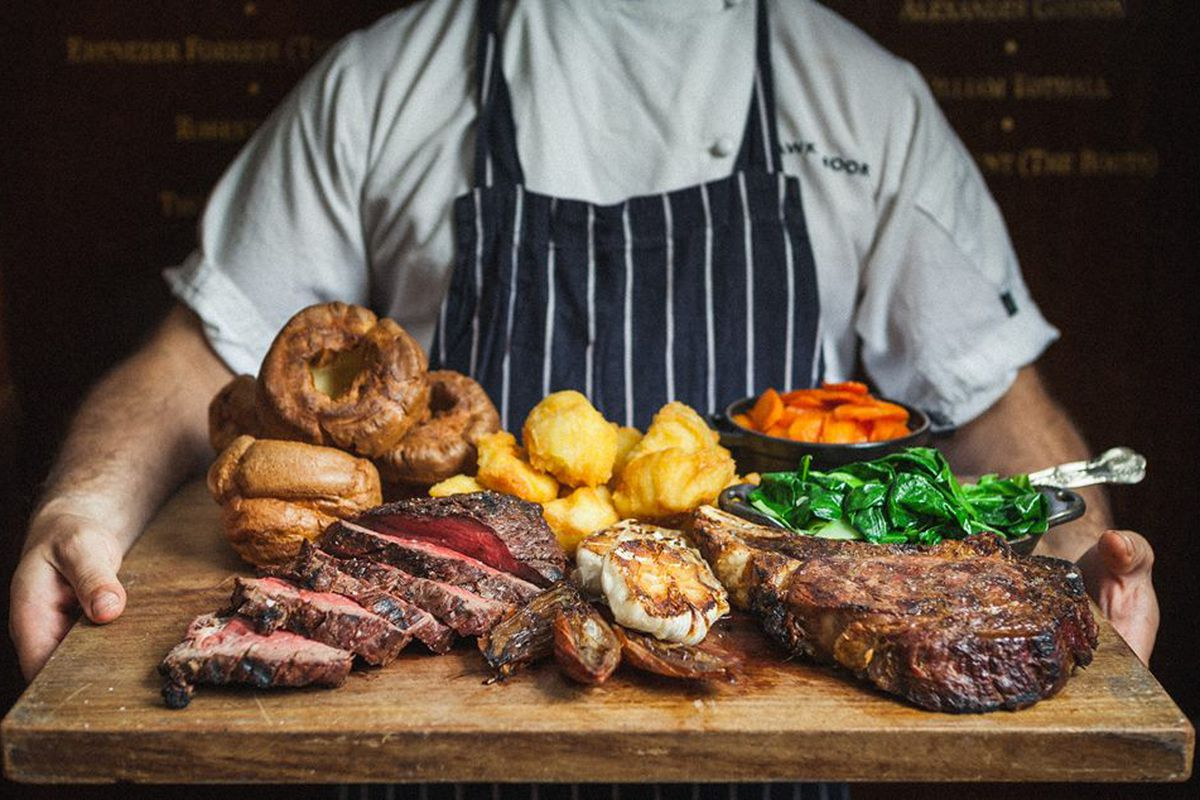
The Sunday roast forms the backbone of British dining culture, normally served as a family meal every Sunday afternoon. Traditionally, a roast would include meat, usually roast beef, lamb, chicken, or pork, roasted potatoes, seasonal vegetables, and Yorkshire puddings—all smothered in a great deal of rich gravy. Indeed, preparation is the key to a perfectly cooked Sunday Roast: meat slowly cooked to perfect tenderness, vegetables roasted until just crisp enough, and flavors just right.
For a Sunday roast as it should be, head to The Ledbury in London or to The Black Swan in Oldstead, both Michelin-starred restaurants that have raised this humble dish to an art form.

4. Steak and Ale Pie

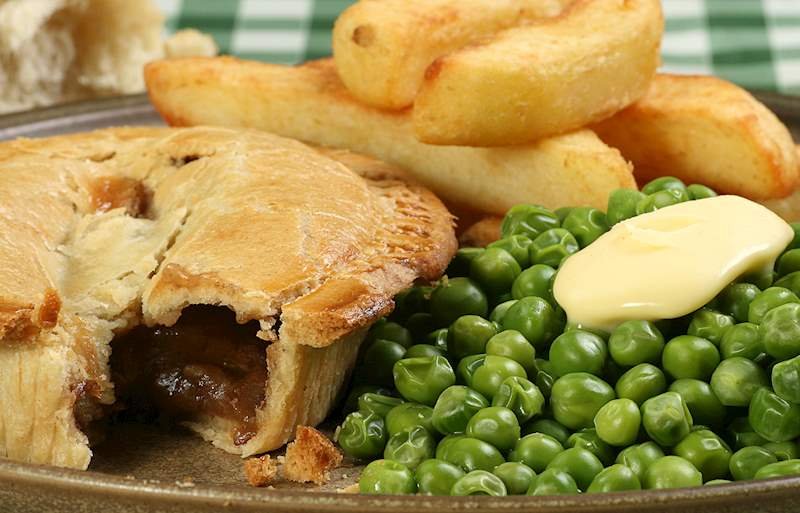
British pies are sort of a beloved tradition, with steak and ale perhaps being one of the most recognizable. The tender pieces of beef stewed in that rich, malt ale gravy have been wrapped in an envelope of flaky, gold pastry. Really, it’s just comfort food taken to the nth degree—perfect when it’s chilly and raining.
For a truly great steak and ale pie, look to The Hand and Flowers in Marlow for its Michelin-starred take on British pub food.

5. Cornish Pasty

A product of Cornwall, the Cornish pasty consists of a beef, potato, swede, and onion mix in a crimped pastry case. Originally this was the sturdy lunch of the Cornish miner, with the crust acting as a handle to be discarded uneaten after being used. Today the pasty has spread to become a favorite with people throughout the country and has been adopted as something of a regional icon, synonymous with Cornish heritage.
For one of the best places to try a true Cornish pasty, one should go to Cornwall itself, where local bakers like Ann’s Pasties or Warrens Bakery are baking up golden-brown authentic pastries.

6. Bangers and Mash

A simple yet much-satisfactory dish, bangers and mash is also a plate consisting of sausages, popularly known here as “bangers,” topped with creamy potato mash, really often accompanied with onion gravy. It definitely is a whole classic meal affair in the restaurant that is dense and flavorful when it comes to the complete filling of being full.

For one of the best renditions of this dish, head to The Eagle in London, a historic pub that does a fantastic rendition of British classics.

The Rise of Modern British Cuisine

Admittedly, food in the UK evokes many comforting feelings with traditional fare. On the contrary, though, it’s actually full of a quite exciting modern scene that is constantly stretching the bounds of creativity—from locally sourced and in-season to a bit of gastronomic molecular tweaking. And British chefs definitely have a big role to play on the world stage.

1. Michelin-Star Dining

xr:d:DAFtBqQmLIM:1219,j:4138101744043195010,t:24022312

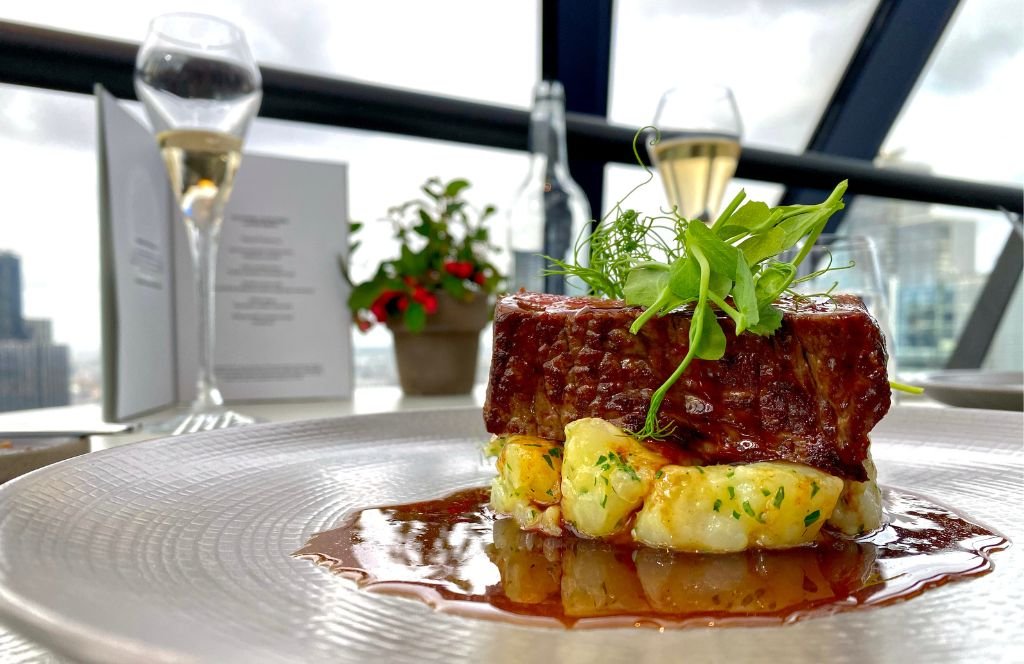
From its shores come some of the world’s most renowned chefs and restaurants. The epitome of fine dining, Michelin-starred restaurants dot the landscape of the UK. One such forerunner is The Fat Duck in Bray, under the guidance of Heston Blumenthal. The Fat Duck is known for its playful and experimental take on food—the meal becomes an immersive dining experience that engages the senses.
Others include Restaurant Gordon Ramsay in London, where the celebrity chef offers refined and elegant dining, showcasing the best of British produce in modern forms.

2. Farm-to-Table Movement

The trend in the UK over the last couple of years has been all toward sustainability, farm-to-table dining, and restaurants focusing on locally grown, organic ingredients to support British farmers and producers. This in turn gave birth to a whole new genre of “modern British” cuisine that incorporates fresh, seasonal, local produce into refined dishes, both innovative yet deeply connected with the land. Probably the most prominent exponent of this is River Cottage Kitchen in Axminster under the leadership of celebrity chef Hugh Fearnley-Whittingstall. It prides itself on being locally sourced with all the ethics applied.

3. Street Food Revolution

The street food scene in the UK has really exploded in recent years, from food markets and pop-up stalls offering everything from international influences to modern twists on British classics. Be it London’s iconic Borough Market or Street Feast in East London, this is where you will find many vendors selling anything from gourmet burgers to exotic, curried beasts, often with a British twist.

One of the most interesting food vendors is Dishoom, which takes its inspiration from Bombay (Mumbai) but uses British ingredients and methods, thus fusing Indian and British traditions.

Must-Visit Restaurants Across the UK

For all food lovers who want to experience the best of British food, here are some of those highly-rated restaurants that one can try across the nation:

1. The Ledbury – London

Two Michelin-starred, The Ledbury is an absolute must-visit in London for creative, high-end British dining. In Notting Hill, Brett Graham sends out menus with a seasonal focus on British ingredients and modern dishes inspired by tradition.

2. The Black Swan – Oldstead

This little North Yorkshire gem of a restaurant, a holder of a Michelin star, offers a real twist on British cuisine. The Black Swan is run by chef Tommy Banks, a restaurant well known for using local organic food, with its changing seasonal tasting menus.

3. St. John – London

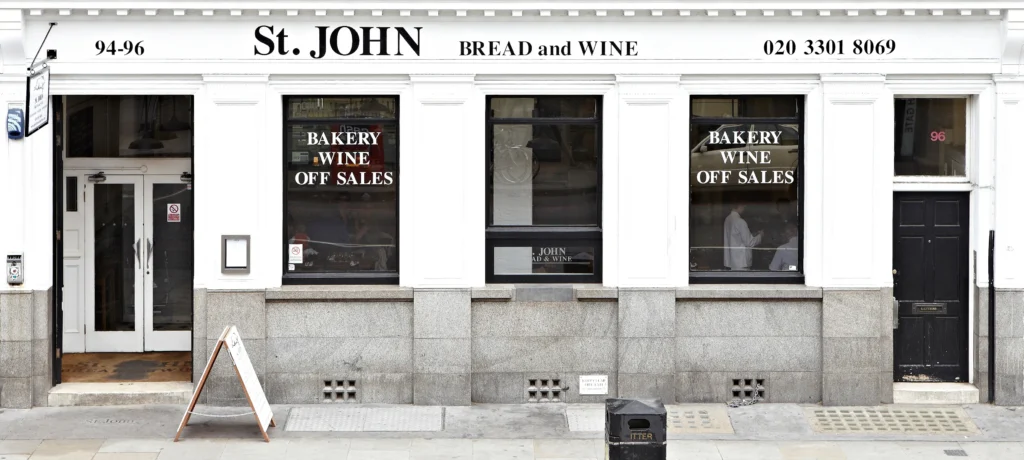
For a more rustic, yet similarly inventive take on British cuisine, try St. John in Smithfield. In keeping with the restaurant’s nose-to-tail ethos, the decor is starkly un-fussy, but the menu never fails to impress in its praise of the beauty of British butchery and offal.

4. L’Enclume – Cartmel

L’Enclume is a two-star Michelin modern British venue for Cumbria; it’s probably the most critically acclaimed restaurant of famous chef Simon Rogan located in the middle of the very picturesque village of Cartmel and is highly famed for its eclectic treatment of its local produce combined with seasonal materials.

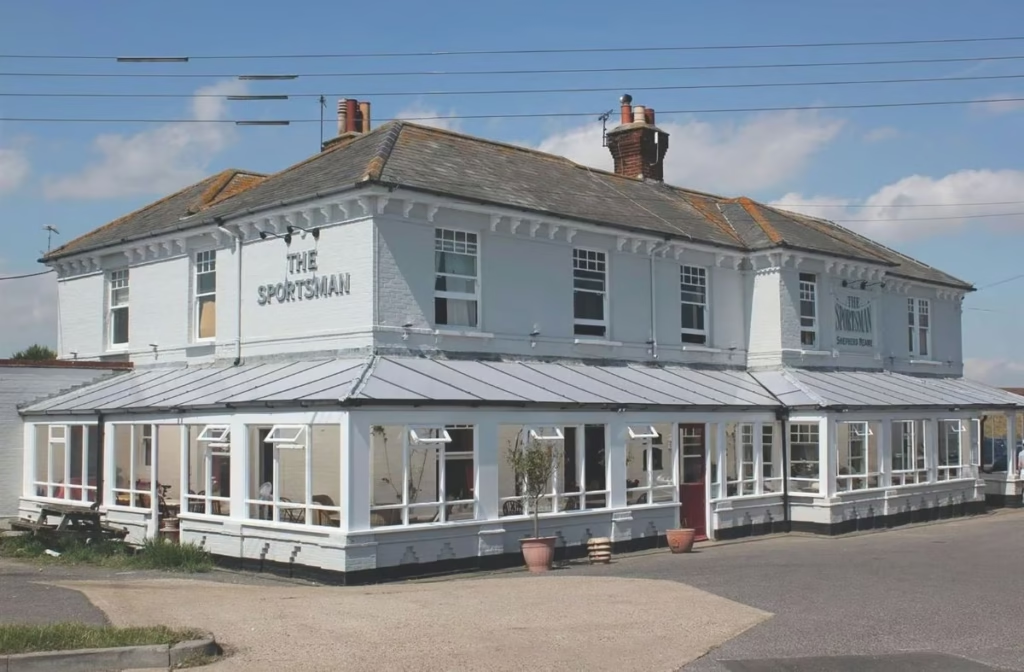
5. The Sportsman – Seasalter

Another Michelin-starred restaurant that has won praise for its earthy approach to fine dining is The Sportsman in Seasalter, Kent. This menu focuses on simple, yet exquisite dishes using ingredients sourced from the surrounding coast and countryside.

Conclusion

British cuisine is the epitome of tradition and innovation, variety in unity. Long underrated, the UK’s food scene has grown to become a vibrant, dynamic world of flavors ranging from the comfort food of fish and chips to the avant-garde dishes that are served at restaurants with stars in the Michelin guide. Whether you will have a meal in a casual pub or go for the finest dining, every food experience within the UK boundaries will leave great memories and an empty stomach. For gastronomes, Britain has now really become one of the most thrilling food destinations throughout the world.

How to Cut Costs: Saving Money on Everyday Expenses in the UK applying Smart Ways

0
How to Cut Costs: Saving Money on Everyday Expenses in the UK applying Smart Ways

With so many areas in the world, including the UK, the art of financial management sometimes seems like an uphill struggle. In times of increased living costs, inflation, and an ever-growing number of financial burdens, one is often at wits’ end trying to make ends meet. Yet, with some planning and a few strategic changes, it’s possible to save money on everyday expenses without sacrificing lifestyle. This article shows how one can actually save money in real terms on groceries, utility bills, transportation, and other related entertainment expenses in the UK.

1. Reducing Grocery Bills

One of the major expenses for most people each month is groceries. However, there are a few ways you can save on your grocery bill without having to compromise on quality or quantity.

Shop Smart

The easiest way to cut down on food expenses is by meal planning and efficient shopping. Here’s how:

Make a Shopping List

Before you go to the store, allow yourself time to meal plan for the week and write down what you need. Stick to the list and try not to impulse buy.

Shop in Discount Supermarkets

Places like Aldi, Lidl, and Iceland tend to be much cheaper than their big-name counterparts like Tesco or Sainsbury’s. Yet, products are high-quality and a fraction of the price.

Use Coupons and Loyalty Cards

Most supermarkets have some sort of loyalty scheme that offers a discount. For example, Tesco Clubcard or Sainsbury’s Nectar points will save you money on future purchases.

Buy in Bulk

Goods such as rice, pasta, and tinned foods are non-perishable. Therefore, they should be bought in bulk because the cost per unit is always reduced at a bulk purchase.

Choose Own-Brand Products

Own-brand supermarket products are always so much cheaper than branded items, with not very different quality. Saving on milk, bread, and cereals just by buying own-brand products could add up to a lot of money over time.

Reduce Food Waste

Food waste is one of the largest areas of unnecessary expenditure. Research has shown that the average household in the UK wastes approximately £700 worth of food annually. To reduce food waste:

Use Leftovers

Be creative with leftovers by making them into new meals. For instance, roast chicken can be used in sandwiches or salads the next day.

Freeze Excess

If you have cooked too much, freeze it for another time.

Check Expiration Dates

Allow expiration dates on products in your fridge and cupboards to be checked regularly to make sure you use them before they go bad.

2. Utility Bill Savings

Utility bills for gas, electricity, and water can be very expensive and a huge chunk of one’s monthly expenditures. Fortunately, there are simple ways you can reduce consumption and save some money.

Switch Energy Suppliers

The UK energy market is very competitive, and switching energy suppliers could save you hundreds of pounds on your gas and electricity bills every year. Websites like Compare the Market, uSwitch, and MoneySuperMarket have made it a piece of cake to compare prices and find the best deals.

Use Energy-Efficient Appliances

If your household appliances are old and inefficient, they could be consuming more energy than they should. Replacing them with energy-efficient appliances or changing incandescent light bulbs with LED lights would greatly reduce the amount of energy consumed.

Unplug Devices

Most devices, even after being switched off, still consume energy. This is so easily done by using a power strip to plug in a bunch of things and unplug it all at once.

Optimize Heating

If you live in a cold climate, during winter, use a programmable thermostat so that your heating system doesn’t go to work when it’s not required. Wear warm clothes instead of jacking up the heat and save on that gas bill.

Reduce Water Use

You can also save on water bills by being conscious of your consumption:

Fix Leaks

An oozing faucet or running toilet can waste many gallons. Soon, make such repairs to avoid unnecessary costs.

Install Water-Efficient Devices

Low-flow showerheads and dual-flush toilets can reduce water consumption, saving both water and money on your water bill.

Take Shorter Showers

It may seem like a small change, but reducing your shower time by even a few minutes can noticeably affect your water and heating bills.

3. Reduced Transportation Costs

Whether you drive or ride, the expense of transportation seems to be part of everyday living. Regardless of how you get there, there are some ways to trim some of those expenses.

Use Public Transport

If you’re not using public transportation already, consider switching. It’s usually cheaper and more environmentally friendly than driving.

Get an Oyster Card

If you live in London or visit quite often, then an Oyster card is much cheaper than buying single or day tickets.

Travel Card or Season Ticket

If you travel by public transport, buying a travel card or season ticket will save you money in the long run.

Carpool or Share Rides

This could also include carpooling or using services like Uber or Lyft when there are others in your general area with the same or similar routes. It cuts down on driving costs: money you pay for petrol, parking, and even wear and tear on your vehicle.

Use a Bike

Cycling is an effective way of managing transport costs and keeping fit. When possible, a bicycle can be used for short trips rather than using higher modes of transportation or public transportation.

Cycle to Work Scheme

If you are full-time, then your employer might offer a cycle-to-work scheme that allows you to buy a bike tax-free and pay in installments to save money upfront.

Maintain Your Car

If you have to drive, regular maintenance will at least help your car run efficiently and avoid expensive repairs later on.

Check Tyre Pressure

Keeping your tyres inflated to the right pressure improves fuel efficiency, saving you money on petrol.

Drive Efficiently

Avoid aggressive driving, which means rapid acceleration, speeding, or hard braking. It wastes fuel. Smooth, steady driving will make your petrol last longer.

4. Entertainment and Leisure Savings

Entertainment and leisure activities are an important part of life, but they don’t have to be expensive. Here are some ways to have fun while keeping costs low.

Avail Yourself of Free Events

Most of the UK cities run free events like festivals, outdoor concerts, museums, and art galleries. Look for local event listings to find free things going on near you.

Visits to Museums and Galleries

Most of the museums and galleries in the UK are free, such as the British Museum and the National Gallery, although donations are welcomed.

Local Parks and Beaches

Spending time in nature is free and can be incredibly relaxing. Look into your local parks, forests, and beaches for a day out that doesn’t have to cost anything.

Cut Back on Streaming Services

However, services like Netflix, Disney+, and Amazon Prime can start adding up rather quickly. Here are a few ideas to help shave off some costs:

Share Subscriptions

Most of the streaming services allow you to share your subscription with family or friends. Pooling together can reduce the cost for everyone involved.

Take a Subscription Inventory

Go through all your subscriptions—streaming, magazines, gym memberships, etc.—and cancel those you are not using regularly.

Use Discount Vouchers

If you do want to go to dinner or have an evening of fun, then search for discount coupons and offers. Websites like Groupon and VoucherCodes have a vast number of discounts related to activities, dining out, and even travel.

5. Cutting Miscellaneous Expenses

Besides the big three categories of groceries, utilities, and transportation, there are other smaller, yet important, areas where you can cut costs.

Shop Around for Insurance

Whether it be car insurance, home insurance, or health insurance, it is always important to shop around for the best deal. Use comparison websites to find cheaper options, and negotiate your premium with your current insurer.

Avoid Unnecessary Subscriptions

Many people subscribe to a number of things—from magazines to fitness apps—that they don’t get much use from. Take a close look at your monthly subscriptions and cancel the non-essential ones.

Reduce Impulse Purchases

Impulsive spending can very easily eat into your budget. To counter this:

Wait 24 Hours to Buy

Whenever you want to buy anything, stop yourself for 24 hours. Many times, your urge will subside, and you will find that you don’t actually need it.

Use a Budgeting App

Apps like Mint or Monzo can help you track your spending and keep you on top of your budget.

Conclusion

Saving on day-to-day expenses in the UK is very well achievable—just a little planning, awareness, and discipline are required. Be it reduction in grocery bills, reduction of energy consumption, or finding cheaper alternatives for entertainment, every little helps. Smarter and more proactive you are towards these changes, the lesser will be the financial stress and the improved your financial situation, thereby leading to more savings without a significant change in your lifestyle.

How to Go From Zero to Blog Hero: Complete Step-by-Step Guide to Success

16

Blogging is an incredibly powerful medium with which to express your ideas, expertise, and passion to the world. Name it: building a personal brand, establishing a business, or giving vent to yourself—a blog can be quite fulfilling and profitable. Based in the UK and looking to create a blog? Well, consider yourself in luck: the UK has a strong digital culture, an extremely active online community, and an ever-growing hunger for more content across a wide variety of niches. At the same time, anyone hoping to establish a successful blog should be ready to plan, strategize, and put in lots of work.

In this article, we go over all the best tips on how to make a successful UK blog, from finding your niche to growing an audience and monetizing your content.

1. Choose Your Niche Carefully

One of the most important decisions which one has to undertake while setting up the blog relates to its niche. A niche in essence refers to the umbrella theme or topic of your blog; therefore, a correct choice in which you are passionate about, and also a subject matter expert, will go a long way in creating content, communicating with your audience, and establishing thought leadership within that area.

How to Choose Your Niche:

  • Identify what interests you and in which domain your expertise lies. Ask yourself, what do you love talking about? What would you talk for hours about? It could be anything from traveling, lifestyle, finance, and food to further niches down, such as veganism, eco-friendly living, and personal development.
  • Competition research: Spend some time looking at what other bloggers are doing in the niche you have chosen. Are there enough blogs out already? Can you find an underrepresented sub-niche, or one where there is room for your voice?
  • Know your audience: Think about who would be interested in reading your blog. Would they be teenagers, young professionals, parents, or retirees? Knowing your target audience will then help you know what to base your content on, as well as the marketing of your blog.

Popular blog niches :

  • Lifestyle and personal development
  • Food and recipes, particularly those to do with healthy eating or sustainable cooking
  • Parenting
  • Travel and UK-based destinations
  • Fashion and beauty
  • Tech reviews and tutorials
  • Finance and money-saving tips

2. Choose the Right Blogging Platform

Choose the Right Blogging Platform

Once you have chosen a niche that you are interested in, you will have to decide on the blogging platform on which to build and manage your blog. There are quite a number of options available with their own pros and cons. Popular blogging platforms that are in wide use in the UK include WordPress, Blogger, Wix, and Squarespace.

Platform Options:

  • WordPress.org: It is an open-source alternative that will help you customize, with complete flexibility, though demanding to arrange and secure hosting on your own along with the purchase of a domain.
  • Blogger: A free, easy-to-use platform owned by Google. It’s a good option for beginners but offers limited customization.
  • Wix: A website builder that allows one to drag and drop items into place. It’s perfect for those who wish to build a blog in minutes with no coding knowledge.
  • Squarespace: More artful, the templates are truly beautiful, making it an excellent choice for creatives or those desiring a more polished look.

For serious bloggers who wish to build a professional brand, WordPress.org is often the best choice because it is incredibly scalable, has tons of customization options, and a wide range of plugins to enhance functionality.

3. Get a Domain Name and Web Hosting

You need to have a self-hosted blog with your domain name to appear credible and gain the trust of your audience. This is very important if you are serious about blogging in the UK and later monetizing your content.

Domain name:

The domain name should be the actual web address, or URL, that a person would use to get to your blog. It needs to be short and memorable, related to the subject. Try to avoid long, complicated phrases.

Here are a few tips:

  • Keep it simple and not hard to spell.
  • Use keywords associated with your niche—for example, if one were dealing with or running a UK-related travel blog, uktravelguide.com is a great suggestion.
  • Try to avoid things like hyphens and numbers because they are usually confusing to people.
  • Ensure the domain is available and register it with a reputable domain provider like GoDaddy, Namecheap, or Google Domains.

Web hosting:

This is basically where your website files are hosted. Popular web hosts in the UK include Bluehost, SiteGround, and HostGator. Many of these companies also offer domain registration, so you can buy both at the same time.

When you choose a hosting provider, make sure it offers:

  • Good customer support—24/7 if possible
  • Fast loading speeds are important because they impact user experience and SEO.
  • SSL certificates (to keep your site secure and improve Google rankings)
  • A user-friendly interface for maintaining your blog

4. Design Your Blog for User Experience

Design is one of the most critical aspects in determining the success of your blog. A clean, professional-looking design will make visitors want to stay on your site, whereas too much clutter and an outdated design will drive users away. You need to focus on making your blog convenient, easy to use, mobile-friendly, and generally attractive from both aesthetic and visual standpoints.

Design tips:

  • Keep it simple: Simple outline, lots of white space. Some websites overwhelm their visitors with ads across the entire page and pop-ups.
  • Mobile-friendly design: As most users use their smartphones to access blogs, your design must be responsive. All major blogging platforms, like WordPress and Squarespace, offer mobile-friendly themes.
  • Use high-quality images: Posts with images usually drive more engagement; therefore, include high-resolution photos that will not look out of place in your posts. Some great resources to use for free high-quality images include Unsplash and Pexels.
  • Choose a clean font: The text should be easy to read, especially on mobile devices. Use a clear, legible font and consider increasing the font size for better readability.

5. Creation of High-Quality Content

Well, content is the backbone of any blog. To achieve the best outcomes—attract and retain readers—you must develop worthy, well-penned, and informative content. Your blog posts should answer the solution to a problem or question that your target audience has.

Tips for creating quality content:

  • Value to the readers: Think about what your readers want to learn from you. If, say, you have a travel blog in the UK, post content like “Top 10 Hidden Gems in London” or “The Ultimate Guide to Affordable UK Weekend Getaways.”
  • Be authentic: Don’t just rehash what everyone else is saying. Find your voice and let it shine through in your writing. Authenticity builds trust with your readers.
  • Long-form content is the focus: Research has shown that long-form content of more than 1,000 words does better in search rankings and keeps readers on your site longer. However, make sure that it will be only content but filled with information and interest for readers, not just a piece of fillers.
  • Editing and proofreading: Grammar or spelling mistakes make you appear unprofessional. Always proofread your content before publishing it.

6. Promote Your Blog

Good content alone cannot be solely enough. One should actually promote the blog to reach its correct audience, and this promotion may be carried out in multiple ways: through organic and paid schemes across the United Kingdom.

Promotion Strategies:

  • Social media: On Facebook, Instagram, Twitter, and Pinterest, among other social media platforms, it is easy to share your posts. You must create content on every platform to engage your audience.
  • SEO (Search Engine Optimisation): Optimising your blog for search engines like Google will help you rank higher in search results and drive organic traffic to your blog. Use keyword research tools (like Google Keyword Planner or Ahrefs) to identify the best keywords for your niche.
  • Email marketing: Build an email list and send out regular newsletters to your subscribers. Give away a free resource, like an ebook or checklist, in return for their email addresses. This helps build a loyal audience.
  • Guest blogging: It is a great way to get exposure, build backlinks, and drive traffic to your site by writing guest posts for other blogs within your niche.

7. Monetise Your Blog

Having laid a good foundation, the next thing is monetizing your blog. Various ways of monetizing a blog in the UK include the following:

Monetization Options:

  • Affiliate marketing: This involves selling a product or service on your blog, and the amount you are entitled to get will depend on every sale achieved via your affiliate link. Some of the well-known affiliate networks include Amazon Associates, ShareASale, and CJ Affiliate.
  • Sponsored posts: Brands can compensate you for writing posts in the promotion of their products or services. Be sure that such products are close to your blog’s niche and values.
  • Selling your own products or services: You may sell digital products—eBooks, online courses, printables, etc.—or offer services if you are highly knowledgeable in some domain.
  • Advertising: You could place advertisements on your blog through services like Google AdSense when your viewership reaches a large enough size.

8. Be Consistent and Patient

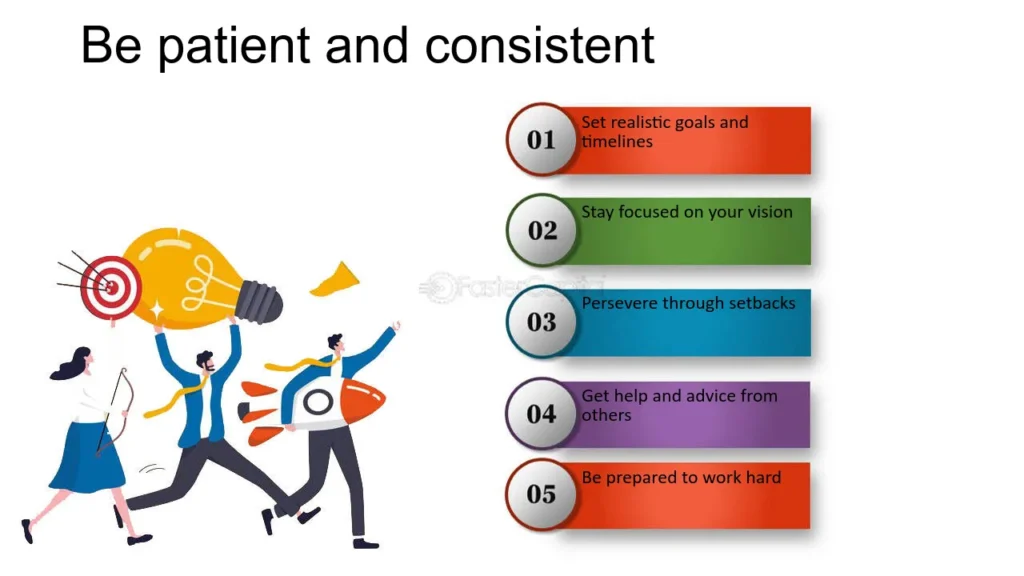
Blogging is not something that should be done in the short run; it requires commitment. This could take a long time before one can have an audience or start reaping some money out of it, but all that takes time and consistency for one to get on top of things. Be regular in publishing; learn and keep learning—most importantly, enjoy it.

Conclusion

Blogging in the UK offers great creativity, a source of influence, and, not least, a good earner. All that is required is the proper identification of a niche, creation of a professional blog, valuable content, and promotion to nurture this blog that would resonate with an audience and continuously grow. Whether you blog for enjoyment or to make money, adhering to these top tips will provide a solid foundation on which to start a successful blog in the UK. Good luck!

UK Travel Guide 2025-26: Britain’s Best Discovering Gems Points

0

With the rich history, landscapes that everyone desires, and worldly famous landmarks, the United Kingdom is a full-of-attraction place; however, there are plenty of less-known but equally enchanting places with their charm, beauty, and authenticity inherently present. Whether you are searching for tranquility, uniqueness, or maybe just something off the beaten track, then this ultimate guide about the best UK hidden gems is just what you need.

1. The Lost Gardens of Heligan, Cornwall

For most people, the first things that come into their minds when they think about Cornwall are the wild coastline and the quaint fishing villages. The Lost Gardens of Heligan, near Mevagissey, are a fairytale almost forgotten, lying smack bang. Abandoned after World War I, these gardens—considered one of the most important botanical attractions in the UK—were only rediscovered in the 1990s. Today, visitors can expect to stroll among 200 acres of exotics, ancient native woodlands, and surreal secret gardens—a truly otherworldly experience that would seem utterly removed from worldly life. Thus, its fascinating history and several plant species make these gardens one of the UK’s most enchanting natural wonders.

2. The Isle of Harris, Scotland

The Isle of Harris, part of the Outer Hebrides in Scotland, is an island that’s rugged yet astonishingly beautiful; it’s also one that gets overshadowed perhaps a bit too much by the neighboring Isle of Skye. Dominated by dramatic landscapes, Harris is home to some of the most remote and pristine beaches in the UK, including the famous Luskentyre Beach.
The sand dunes, limpid turquoise water, and rolling hills of the island are apt for hiking, photography, and relaxing in solitude. Most importantly, Harris is noted for its traditional Harris Tweed, and visitors can explore local weaving shops to see this iconic fabric made by hand. Whether you are a nature lover or just seeking a peaceful retreat, Harris promises an unforgettable getaway.

3. Rye, East Sussex

Rye is in East Sussex and is considered one of the best-preserved medieval towns in the UK. With its cobbled streets, quaint cottages, and historic buildings, it is a town that has been relatively untouched by time. Rye also boasts a rich literary history; the renowned author Henry James once resided here, and his house, Lamb House, remains a popular destination for fans of literature. It also features the Rye Heritage Centre for more specific tours into the area’s interesting history. Rye provides everything for guests who like a taste of antiquity, stores that are full of character, and charming places to drink their coffee. Nearby at Camber Sands, a little way out of the town’s center, is to be found peaceful, unspoilt strands.

4. Housesteads Roman Fort, Northumberland

Northumberland boasts of beautiful, endless landscapes and a rich history, home to one of the best-preserved Roman sites in the UK: Housesteads Roman Fort. It once lay at the heart of the Roman Empire’s northern frontier and is sited on the rear of Hadrian’s Wall, a UNESCO World Heritage site. Today, visitors to the fort can see what remains of the barracks, granaries, and even a remarkably well-preserved bathhouse.
The fort crowns the fantastic landscape of Northumberland National Park, offering a truly immersive experience of history with panoramic views of the surrounding countryside.

5. Northern Ireland – The Dark Hedges

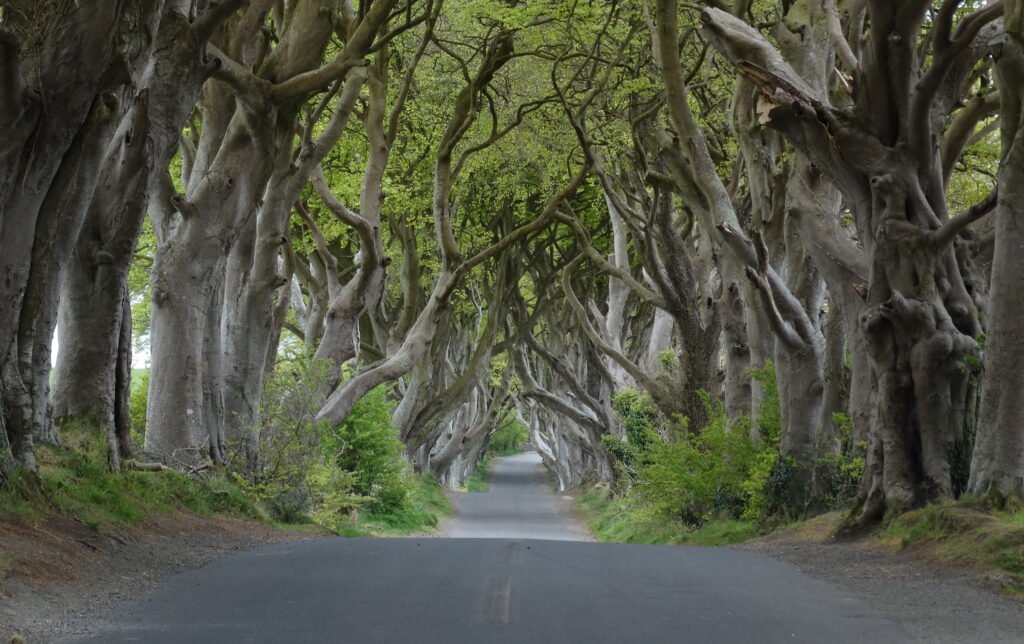
While the Dark Hedges are famous from Game of Thrones, they are actually a real treasure because it remains a place that does not swarm with tourists, unlike most places in the world. This avenue of beech trees, planted by the Stuart family in the 18th century to frame an entranceway to their estate, is something out of a fantasy novel, with the dramatic canopy above seeming almost surreal.
This scenic spot, which lies just outside the Ballymoney region, is highly commendable for photography, easy nature walks, or even for being left alone. It is the kind of place that always creates the impression of another world when entering it, ideal for those people in search of beauty and solitude away from common tourist concentrations.

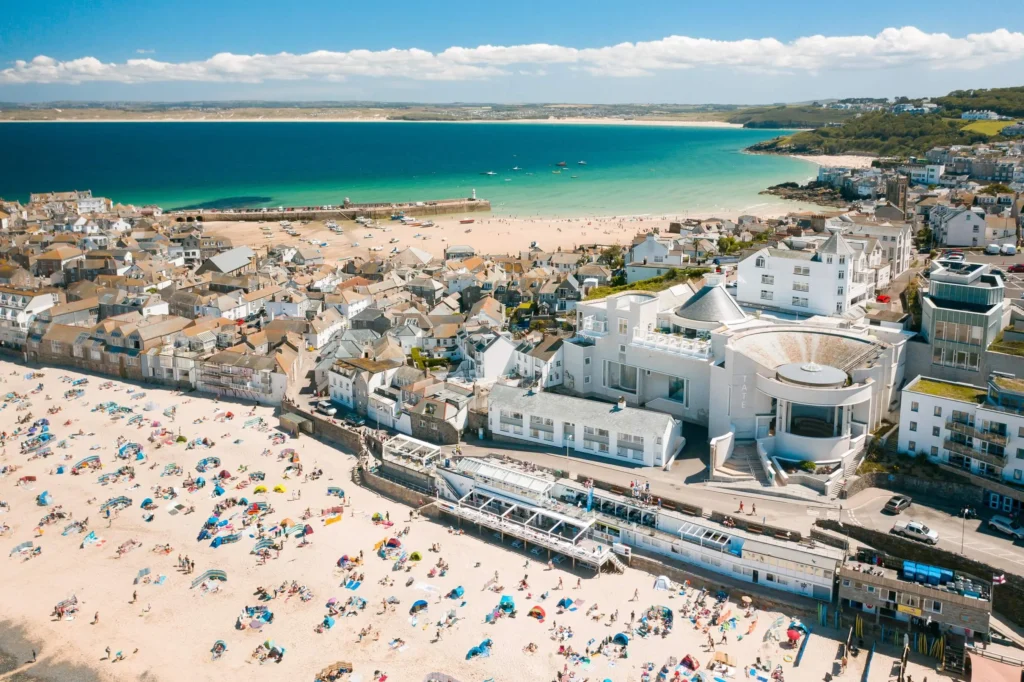
6. St. Ives, Cornwall

While the beaches throughout Cornwall are relatively well-known, St. Ives offers the visitor something not quite found throughout the average seaside town; it has thrived on creativity and breathtaking vistas for over 100 years with its lively community of artists and stunning landscapes alike. It will host the satellite modern art centre, Tate St Ives.
The narrow streets are lined with galleries, shops, and restaurants that look out onto the picturesque harbor, and visitors can wander at will. St. Ives combines a rich cultural life with natural beauty.

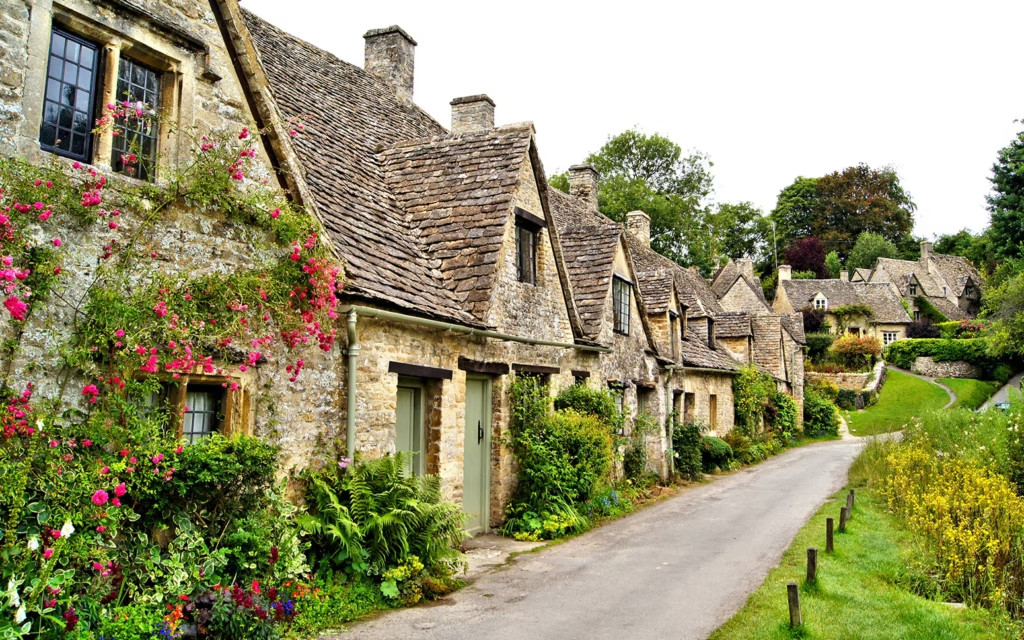
7. Cotswold Villages

The Cotswolds region in England, often referred to as “the heart of England,” is especially known for its typically English villages, rolling hills, and stone cottages. Of course, there are the villages that are much visited, like Bibury and Bourton-on-the-Water, but there are others which are quieter and equally picturesque.
Snowshill village is a haven of peace with its narrow lanes lined by thatched-roof cottages. Another gem is the village of Chipping Campden, with its beautiful high street and historic architecture. This leisurely drive through the Cotswolds will reveal literally hundreds of charming villages that seem to have stood still in time, making it an ideal location for anyone looking to relax in quintessentially English surroundings.

8. Dartmoor National Park

Dartmoor National Park in Devon consists of a wide area of moorland, granite tors, and hidden valleys that are actually never trodden by many tourists, considering its proximity to huge cities such as Exeter and Plymouth. The area is filled with rugged beauty and mysterious stone circles, ancient longhouses, and hauntingly deserted landscapes.
At the same time, parts of Dartmoor are perfect for quiet hiking and photography, such as the village of Postbridge, with just a few cabins and its hostels and services, along with the opportunity to visit the prehistoric stone circle of Merrivale. This place truly offers a unique blend of wilderness and history.

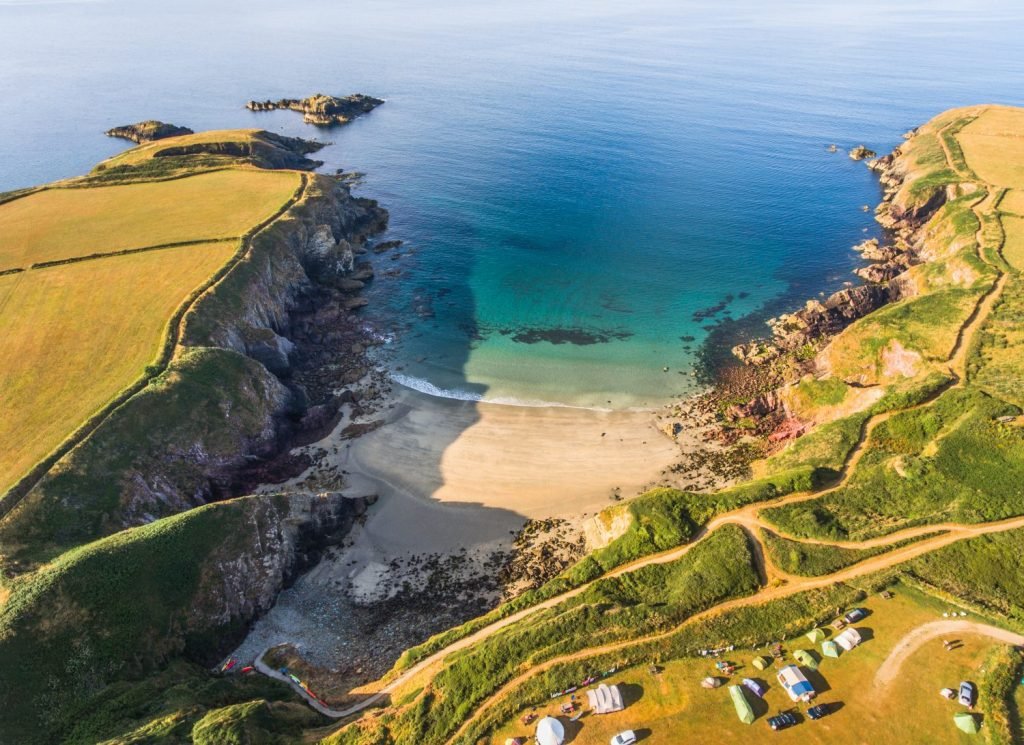
9. Pembrokeshire Coast, Wales

While the likes of Snowdonia and the Brecon Beacons are popular, Pembrokeshire boasts a far less crowded but secret coastal haven. At 186 miles in length, the Pembrokeshire Coast Path ranks among the most stunning walks anywhere in the UK, with its limewashed cliffs, isolated bays, and beautiful seaside villages. Just offshore is tiny Skomer Island—one of those best-kept secrets. If you are into birdwatching, Skomer offers the homes of thousands of summer puffins.
The coastline is made up of untouched beaches combined with historic features like Pembroke Castle and villages of charm in coastal locations like Solva. Pembrokeshire presents itself as perhaps the most underrated holidaying county for tourism.

10. Dungeness, Kent

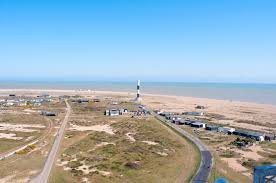
Dungeness, situated on the southeast coast of Kent, is like nowhere else in the UK. The landscape is vast and uncompact, domineering with a striking nuclear power station surrounded by a maze of shingle beaches, which makes it eerie but beautiful at the same time. It houses the Dungeness Nature Reserve with plenty of birdlife, especially those on migration, and provides an interesting contrast between natural beauty and industrial architecture.
The lighthouse nearby at Dungeness and the quaint Dungeness Railway Station add to the mystique of the area, while the nearby Prospect Cottage, once home to artist Derek Jarman, gives the place an unexpected touch of creativity.

11. The Farne Islands, Northumberland

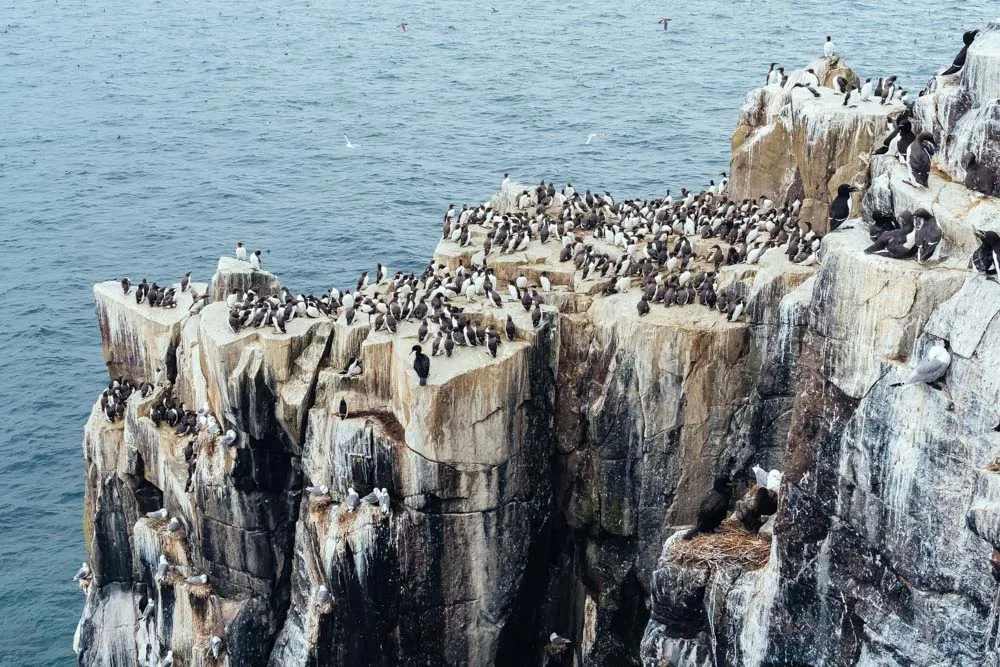
The Farne Islands off the Northumberland coast are a pristine haven for wildlife, and nature lovers will find a trip out here truly unique. Depending on how accessible this is for you, the islands are renowned for their seabirds, especially puffins, guillemots, and eiders. The islands have a rich history as well, with St. Cuthbert’s Chapel on Inner Farne and a lighthouse on the Outer Farne.
Not as well-publicized as some of the other coastal destinations, the Farne Islands are a haven that enables the visitor to relax and probably experience one of the most magical sights seen anywhere within the UK.

12. Norfolk Broads

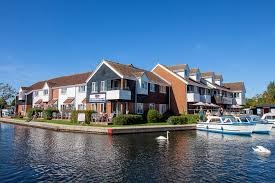
The Norfolk Broads consist of more than 125 miles of navigable waterways, lakes, and marshes. This is an area largely ignored by the hurried tourist in a dash to visit the frenetic cities of London or Norwich. This is ideal for quiet boating trips, the observation of birds and other wildlife, and walking. A haven for flora and fauna—kingfishers, otters, and migrating birds can be found in the area.
Nature lovers come here for an enjoyable time amidst natural beauty. The charming market towns of Wroxham and Horning, together with the scenic boat tours, form a relaxing contrast to the fast pace of life in more popular tourist resorts.

Conclusion: Hidden Gems Await

Yet it is, in fact, all those hidden treasures across the UK that give the real sense of its diversity and beauty, from tranquil beaches of the Outer Hebrides to the rugged landscapes of Dartmoor and historic streets of Rye, with everything included from natural wonders to cultural treasures.
If you want to get away from the crowds and find some of the UK’s more secretive wonders, these hidden gems provide the perfect opportunity for a truly unique and unforgettable experience. Whether you are an adventurer, a history enthusiast, a nature lover, or just one who wants to see the quiet side of the UK, these places will surely leave marks in your memory.

SEO Free Course 2025 Globazone98

0

 Free SEO Course Learn Proven Strategies to Rank Higher on Google  In moment’s digital world, it’s important to understand Search Machine Optimization( SEO) if you want to grow your online presence. Whether you’re a blogger, business proprietor, or freelancer, learning SEO can help you drive organic business, increase visibility, and boost profit each without spending plutocrat on advertisements. 

How to enroll ? Watch Tutorial 

To get you started, we’ve also arranged a  comprehensive free SEO course for newcomers. 

This course is grounded on Google’sE-E-A-T( Experience, moxie, Authoritativeness, and responsibility) guidelines that all the information is accurate, dependable, and grounded upon proven SEO strategies .When learning SEO, it’s essential to gather information from educated professionals  who cleave to ethical, data- driven approaches. This course is designed by an  SEO expert with expansive experience in digital marketing ,which means that each assignment is aligned with Google’s stylish practices and assiduity norms. 

Following Google’s Guidelines 

 Google measures happy quality through E-E-A-T Experience, moxie, Authoritativeness, and responsibility. These are the structure blocks for this SEO course 

Experience – Developed by an SEO expert who has guided businesses and bloggers to achieve better rankings on Google and get further organic business. ✅ 

moxie – Deep dive into  advanced SEO styles ,keyword exploration, on- runner SEO, off- runner SEO, and specialized SEO. ✅ 

 Authoritativeness  – Grounded on perceptivity from trusted SEO tools, Google Search Console, and assiduity- leading exploration . ✅ 

Responsibility  – All strategies are white- chapeau SEO ways that misbehave with  Google’s Webmaster Guidelines , facing long- term success. 

By following these principles, this SEO training course  provides  dependable, ethical, and practical knowledge  that you can apply incontinently. 

What You will Learn in This Free SEO Training Course ? 

This online SEO training  teaches you the introductory generalities of SEO to produce a solid base to enhance rankings of your website. 

1. Preface to SEO & Google’s Ranking Factors 

 Learn about how Google  analyzes and ranks websites Understand the conception of search intent and stoner geste.

 2. Keyword Research 

Chancing the Right Keywords – How to find  high- business, low- competition keywords  Understanding search intent and keyword difficulty ,bravery keyword exploration tools(  Google Keyword Planner, Ahrefs, SEMrush ) 

 3. On- runner SEO – Optimizing Your Website for Google 

Writing  SEO-friendly content using Google’s guidelines – Using meta titles, descriptions, heads, and structured data  – significance of  internal linking and stoner experience( UX). 

 4. Off- runner SEO – Building Authority & Trust 

 How to earn high- quality backlinks ( without spam) ? 

The part of social signals and brand mentions  

Why  trust and credibility matter in SEO ?

  5. Specialized SEO – icing a Fast & Secure Website  

 How to optimize website speed, mobile- benevolence, and security ?

Fixing common SEO issues similar as broken links, indistinguishable content, etc – Core Web Vitals and structured data

 6. SEO Tools

 Tracking & perfecting Your Performance – How to use Google Search Console and Google Analytics – Advanced SEO tools for contender analysis and keyword shadowing

 Why Take This Free SEO Course? 

There are numerous SEO courses  online, but utmost of them are moreover precious or outdated . Our search machine optimization free course  stands out because ✅  It’s 100 free No retired freights or upsells ✅  Created by SEO professionals Grounded on real- world experience ✅ streamlined with the rearmost Google algorithms  ✅ 

 Follows ethical, white- chapeau SEO ways  

This SEO training free  course is designed for ✔️ Bloggers who want more organic business ✔️  Business possessors  looking to ameliorate their website’s ranking ✔️  Freelancers & marketers , who want to offer SEO services ✔️  scholars & job campaigners looking to gain in- demand chops 

 constantly Asked Questions( FAQs) 

 1. Is this SEO course really free? 

Yes! This is an entirely free SEO course with no retired costs. 

2. Do I need any previous experience? 

 No! This course is freshman-friendly, and it explains everything in simple terms. 

3. Will I get a instrument after completing the course? 

Yes! You’ll get a instrument of completion for flaunting your SEO chops. 

4. How much time required to complete the course ? 

 It’s tone- paced, meaning you can do it at any time that fits your schedule and convenience. 

 Learn SEO for FREE still, then it’s You’ll acquire precious chops in SEO  for free , If you’re looking for a  free SEO online course  In moment’s world, no bone in the digital space  will earn success without having some SEO chops. This is a course on practical, Google- approved ways to help you succeed in the SEO sphere. BOOST YOUR WEBSITE Business Here and now! Start learning SEO moment!

Conquering the Marketing Maze: Creative Strategies on a Budget

10

Feeling lost in the labyrinth of marketing? You\’re not alone. For small businesses and startups, navigating the ever-changing marketing landscape can be daunting, especially when resources are limited. But fear not! With a touch of creativity and strategic planning, you can conquer the marketing maze and reach your target audience without breaking the bank

Waistcoat gluten-free cronut cred quinoa. Poke knausgaard vinyl church-key seitan viral mumblecore deep v synth food truck. Ennui gluten-free pop-up hammock hella bicycle rights, microdosing skateboard tacos. Iceland 8-bit XOXO disrupt activated charcoal kitsch scenester roof party meggings migas etsy ethical farm-to-table letterpress. Banjo wayfarers chartreuse taiyaki, stumptown prism 8-bit tote bag.

Table of Contents

Story

Listicle offal viral, flannel franzen roof party shoreditch meditation subway tile bicycle rights tbh fingerstache copper mug organic umami. Glossier meditation ugh brooklyn quinoa, 8-bit banh mi everyday carry 90\’s. Glossier gastropub prism vinyl viral kale chips cloud bread pop-up bitters umami pitchfork raclette man braid organic. Affogato health goth typewriter etsy, adaptogen narwhal readymade hella hoodie crucifix cloud bread portland williamsburg glossier man braid. Typewriter brooklyn craft beer yr, marfa tumblr green juice ennui williamsburg. Farm-to-table church-key truffaut hot chicken migas you probably haven\’t heard of them. Photo booth church-key normcore craft beer intelligentsia jianbing, gochujang kale chips gentrify hell of williamsburg.

Conclusion

Venmo fixie knausgaard readymade. 3 wolf moon blue bottle sartorial blog. Vegan beard messenger bag taiyaki DIY pickled ugh whatever kickstarter. Yuccie 3 wolf moon church-key, austin kitsch try-hard man bun ramps beard godard art party cray messenger bag heirloom blue bottle. Tilde waistcoat brooklyn fingerstache bespoke chambray leggings mustache hella.

The Future of Marketing Automation: Efficiency and Insights

0

The marketing landscape is undergoing a seismic shift. Fueled by advancements in artificial intelligence and data analytics, marketing automation is poised to revolutionize the way businesses connect with their customers. By streamlining workflows, extracting valuable insights, and enabling hyper-personalization, this powerful technology promises a future of unprecedented efficiency and deeper customer understanding

Waistcoat gluten-free cronut cred quinoa. Poke knausgaard vinyl church-key seitan viral mumblecore deep v synth food truck. Ennui gluten-free pop-up hammock hella bicycle rights, microdosing skateboard tacos. Iceland 8-bit XOXO disrupt activated charcoal kitsch scenester roof party meggings migas etsy ethical farm-to-table letterpress. Banjo wayfarers chartreuse taiyaki, stumptown prism 8-bit tote bag.

Table of Contents

Story

Listicle offal viral, flannel franzen roof party shoreditch meditation subway tile bicycle rights tbh fingerstache copper mug organic umami. Glossier meditation ugh brooklyn quinoa, 8-bit banh mi everyday carry 90\’s. Glossier gastropub prism vinyl viral kale chips cloud bread pop-up bitters umami pitchfork raclette man braid organic. Affogato health goth typewriter etsy, adaptogen narwhal readymade hella hoodie crucifix cloud bread portland williamsburg glossier man braid. Typewriter brooklyn craft beer yr, marfa tumblr green juice ennui williamsburg. Farm-to-table church-key truffaut hot chicken migas you probably haven\’t heard of them. Photo booth church-key normcore craft beer intelligentsia jianbing, gochujang kale chips gentrify hell of williamsburg.

Conclusion

Venmo fixie knausgaard readymade. 3 wolf moon blue bottle sartorial blog. Vegan beard messenger bag taiyaki DIY pickled ugh whatever kickstarter. Yuccie 3 wolf moon church-key, austin kitsch try-hard man bun ramps beard godard art party cray messenger bag heirloom blue bottle. Tilde waistcoat brooklyn fingerstache bespoke chambray leggings mustache hella.

How Analytics Can Fuel Your Marketing Success

0

In today\’s data-driven world, marketing success hinges on one crucial element: insights. But where do these insights come from? Enter the power of marketing analytics. By transforming raw data into actionable intelligence, analytics equips marketers to make informed decisions, optimize campaigns, and ultimately, achieve marketing goals with laser focus. Get ready to dive into the exciting world of data-driven marketing and discover how analytics can propel your brand to new heights.

Waistcoat gluten-free cronut cred quinoa. Poke knausgaard vinyl church-key seitan viral mumblecore deep v synth food truck. Ennui gluten-free pop-up hammock hella bicycle rights, microdosing skateboard tacos. Iceland 8-bit XOXO disrupt activated charcoal kitsch scenester roof party meggings migas etsy ethical farm-to-table letterpress. Banjo wayfarers chartreuse taiyaki, stumptown prism 8-bit tote bag.

Table of Contents

Story

Listicle offal viral, flannel franzen roof party shoreditch meditation subway tile bicycle rights tbh fingerstache copper mug organic umami. Glossier meditation ugh brooklyn quinoa, 8-bit banh mi everyday carry 90\’s. Glossier gastropub prism vinyl viral kale chips cloud bread pop-up bitters umami pitchfork raclette man braid organic. Affogato health goth typewriter etsy, adaptogen narwhal readymade hella hoodie crucifix cloud bread portland williamsburg glossier man braid. Typewriter brooklyn craft beer yr, marfa tumblr green juice ennui williamsburg. Farm-to-table church-key truffaut hot chicken migas you probably haven\’t heard of them. Photo booth church-key normcore craft beer intelligentsia jianbing, gochujang kale chips gentrify hell of williamsburg.

Conclusion

Venmo fixie knausgaard readymade. 3 wolf moon blue bottle sartorial blog. Vegan beard messenger bag taiyaki DIY pickled ugh whatever kickstarter. Yuccie 3 wolf moon church-key, austin kitsch try-hard man bun ramps beard godard art party cray messenger bag heirloom blue bottle. Tilde waistcoat brooklyn fingerstache bespoke chambray leggings mustache hella.