Home Blog Page 2

How to Use UK E-commerce Trends in 2025 to Transform Your Business

0

If you run a business today, you’ve probably noticed how fast everything in online retail is shifting. Customer expectations are changing. New tools appear every month, and brands that adapt early often end up miles ahead of everyone else. That’s exactly why understanding the direction of UK e-commerce in 2025 matters more than ever. These shifts aren’t just updates. They’re opportunities. And businesses that know how to utilize them can grow more quickly. Work smarter, and stay competitive in a constantly evolving market.

Why UK Ecommerce 2025 Is a Defining Year for Online Retail

The UK is still one of the best places in Europe to buy and sell digital goods. People who shop here are tech-savvy, want things to be easy, and will quickly stop buying from brands that don’t meet their needs. The Office for National Statistics says that early signs show that lifestyle now plays a bigger role than price in how people spend money online. People want easier checkouts, better delivery options, clearer product information, and real trust.

If you want to grow your business, you need to know how UK e-commerce will change in 2025 so you can stay ahead instead of playing catch-up.

1. Social Commerce Is Becoming a Mainstream Shopping Path

One of the biggest changes in 2025 is how comfortable people have become buying directly through TikTok, Instagram, and YouTube. This is no longer just a Gen Z thing. All age groups are buying through social feeds.

The smartest brands aren’t treating social content like ads. They’re treating it like storytelling.

How to use this trend:

  • Make short, real videos that show how to use the product.
  • Use micro-influencers who really connect with people.
  • Add shops inside the app so that people can buy things without leaving the platform.
  • To keep things moving, answer comments the same day.

If you’re not using social-first selling, you’re missing out on one of the fastest-growing ways to sell things online in the UK this year.

2. Mobile-First Shopping Is Non-Negotiable

More people in the UK now shop on their phones than on their computers, and this gap grows every three months.  But a lot of sites still feel clunky or hard to use on mobile.

It’s not about making your desktop website smaller when you use a mobile-first approach.  It’s about making an experience that feels easy on a small screen.

Steps you can take:

  • Use simple layouts with short text blocks.
  • Add fast guest checkout options like Apple Pay or PayPal.
  • Avoid heavy images that slow the site down.
  • Test your pages on different phone sizes.

Businesses that prioritise mobile win more customers across UK e-commerce, especially younger buyers who shop on the go.

3. Transparency Builds Trust: and Trust Drives Sales

People who shop today know a lot more about what they’re buying and who they’re buying it from.  They want to know exactly what the materials and ingredients are, where they come from, and what real reviews say.  The British Retail Consortium has seen a big rise in people’s interest in products that are good for the environment and are made in a fair way.

 To be successful in UK e-commerce, you need to be clear, honest, and real.

What transparency looks like:

  • Tell the truth about what your product can actually do.
  • Show real customer photos and reviews.
  • Add “How it’s made” or “Why we created this” sections.
  • Own your imperfections instead of hiding them.

Customers buy from brands they feel they can trust. nothing complicated.

4. Flexible Delivery Options Are Becoming a Deal-Breaker

Flexibility is more important than speed, though.  Some customers want delivery the next day, some want eco-friendly delivery that costs less, and others want to pick up their order.  Choice is the new convenience in 2025.

And since delivery is such an important part of UK e-commerce, giving customers a choice of options can greatly boost sales.

Practical upgrades:

  • Add a low-cost or free delivery tier.
  • Display delivery times clearly.
  • Give people multiple click-and-collect locations.
  • Offer packaging that’s recyclable or minimal.

The easier you make delivery, the faster customers return.

5. AI Is Growing: But It Needs the Human Touch

AI tools are everywhere. product recommendations, chatbots, personalisation engines, and content tools. But buyers don’t respond well to automation that feels cold or robotic.

The trick is blending AI efficiency with human warmth.

You can use AI in your UK e-commerce strategy to handle the heavy lifting while still keeping your tone personal.

How to use AI wisely:

  • Use chatbots for easy questions, but have a person ready to help if you need it.
  • Make suggestions for products based on how people look through them.
  • Set up alerts to let you know when you need to restock or when your order has changed.
  • Don’t use AI to write things; use it to make them better.
  • In short, use AI to speed things up and help people get to know each other.

6. Better Product Pages Are Driving Higher Conversions

Shoppers make decisions faster than ever, which means your product pages need to be sharp and concise. The goal is quick clarity.  not long reading sessions.

Strong product pages are becoming one of the biggest success factors in UK e-commerce for 2025.

Improve your product pages by:

  • Adding short, snappy feature lists.
  • Using real lifestyle photos over stock images.
  • Showing short videos or GIFs of the product in action.
  • Highlighting benefits instead of long feature paragraphs.

Small upgrades here can double conversions without increasing your traffic.

7. Sustainability Is No Longer Optional

Consumers expect modern brands to be responsible. They don’t need perfection, but they want effort. Even simple changes can boost your appeal dramatically.

Sustainability has become a leading factor in buying decisions across UK e-commerce, especially among younger customers.

Easy wins include:

  • Using recyclable packaging.
  • Offering carbon-neutral delivery.
  • Sharing your sustainability practices openly.
  • Highlighting long-lasting or reusable product features.

Being sustainable isn’t expensive. being silent about it is.

8. Community Is Becoming a Growth Engine

The brands that will be successful in 2025 are the ones that are building communities.  not only lists of customers.  People stay longer, spend more, and recommend you without being asked when they feel connected.

Community is one of the best-kept secrets of modern UK e-commerce, and it can turn people who only buy once into lifelong fans.

Ways to build community:

  • Create small groups on Facebook or WhatsApp.
  •  Share moments that happened behind the scenes.
  •  Ask for feedback and show that you really do use it.
  •  Make loyalty or “VIP” programs.

 People don’t just buy things; they buy a place to fit in.

Conclusion: Use These Trends to Rebuild, Refresh, and Grow

The future of UK e-commerce isn’t something to fear. It’s something to use. Every trend in 2025 points toward one idea: customers want smoother experiences, real communication, flexible choices, and honest brands.

If you adapt early. even with small changes. Your business can stand out long before your competitors wake up to the shift.

The opportunities are here. You just have to use them.

How to Sell Beauty Products to Gen Z Men: New Rules for 2025

0

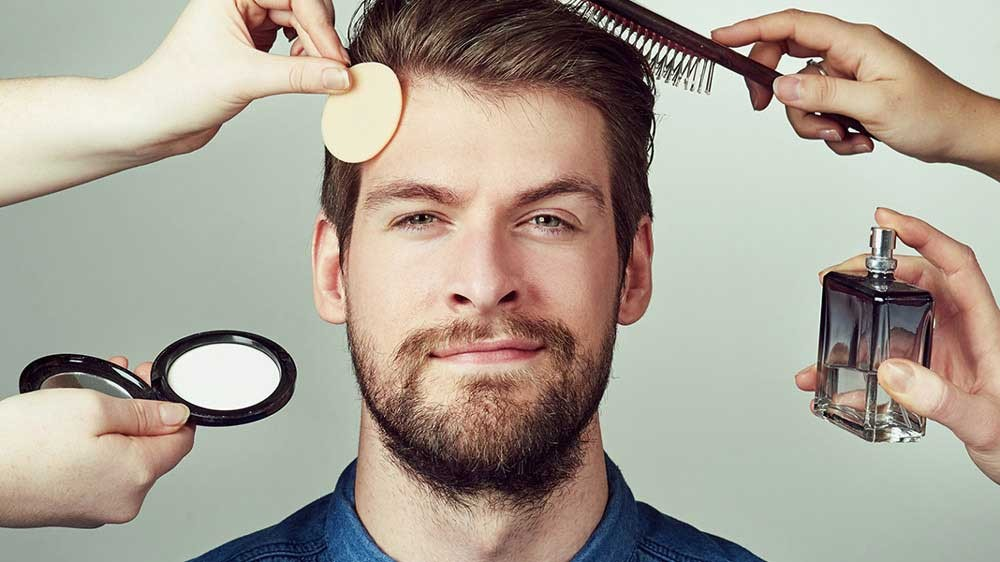
Gen Z men are now shaping a new market wave. A beauty product gains trust when it remains real and simple. This group has a clear sense of style. This group has adventurous tastes. This group has strong views on value. This group prefers calm conversation and a soft tone. Fast proof builds solid belief. True stories create stronger bonds. The clear design holds deep appeal. Brand teams must study this change for real success. Now, a new rule guides sales. Every beauty product brand will have to adapt to this change or be left behind. This fresh market era favors truth, simplicity, and shining value.

Gen Z Men and Their New Care Habit

Gen Z men are now more concerned about their skin, hair, and facial complexion. This group does not get caught up in big claims. This group wants clear steps. A beauty product with a safe feel has a strong potency. This group checks details on social feeds. This group reads short facts. This group prefers light fragrance and a clean look. When a brand speaks calmly, trust grows exponentially. Trust grows exponentially when a brand shows its true nature in real light. Beauty products with soft textures and clean labels have a lot of appeal here. This group supports straight facts without any fuss. This change now shapes all brand plans.

Honest Branding Has Strong Pull in 2025

Brands that operate with integrity grow faster. This group can hear the fake sound from a distance. This group wants open dialogue. A beauty product must show real effects in actual use. Short clips show confidence. Clear shots show form. Real faces create comfort. The eyes of this group are sharp, and the taste is spicy. Tall claims push this group away. Here, simple words have more power. Warmer tones hold more vibes. A beauty product with a simple feel and soft color theme fits well with this trend. The original tone guides the evolution of the brand. Fake tone hurts the brand. 2025 will reward truth at every step.

Social Feeds Have Massive Power

Social feeds size this group quickly. Clips remain short. Words remain light. A beauty product is accessible when real people share real uses. Fast demos work well. Clear light shows the true tone. This group likes gentle humor and quiet conversation. This group gives up the hard sell. Casual sharing increases trust. Small tips increase confidence. A beauty product only gets fans if the post looks natural. Not a huge push. No heavy advertising. This group gives importance to concrete evidence in plain form. Social feeds set the pace for brand evolution. Brands must be mindful of this rapid change.

Simple Formulas Have High Demand

This group likes clear and short lists. Long labels raise suspicion. A beauty product with a safe formulation seems strong here. This group likes light scent and soft feel. This group examines every part minutely. A simple recipe holds more appeal. An intuitive form has more confidence. A beauty product that serves the face, hair, or beard in one step is perfect for this rapid age. This group wants spontaneity and quiet care. A small step flow helps in brand growth. Clear facts help drive strong sales. This path helps brands maintain a strong position in 2025.

Personal Routine Has Fresh Shape Now

Gen Z men follow short care bursts. No long flow. No heavy work. A beauty product should easily fit into daily routines. This group is in favor of soft steps. This group prefers small packs for rapid use. This group believes in brands that offer small suggestions with simple interactions. A beauty product with fast relief wins here. A product that improves skin or hair in one short step has solid value. Brief advice builds trust. Pure sound creates a bond. This group wants comfort, peace, and a clean experience. This new care shape rules the market trends of 2025

The Future Path for Brands in 2025

Brands will now have to change their approach. This group rewards truth, clarity, and clean style. A beauty product should have a realistic feel, a safe appearance, and a soft texture. A warm brand voice remains strong. A cool brand look endures. Trust is built with small steps. Trust is built with real words. A solid impact beauty product keeps fans close. This group favors brands that operate with care. This group favors brands that remain honest. Every brand should shape plans with this mindset. There is room for quieter tones, safer experiences, and pure value in the future. The future favors brands that respect genuine care.

FAQs – Selling Beauty Products to Gen Z Men

1. What makes Gen Z men different from previous generations in beauty buying?

Gen Z men are more open to skincare, grooming, and self-care. They value authenticity, minimalism, and products that solve real problems without heavy marketing fluff.

2. Which beauty products are most popular among Gen Z men?

Moisturisers, cleansers, fragrances, hair-styling products, tinted moisturisers, and simple 2-in-1 or 3-in-1 routines are trending. They prefer products that are easy to use and give quick results.

3. Do Gen Z men care about ingredients?

Yes — a lot. They look for clean, cruelty-free, vegan, or sensitive-skin-friendly formulas. Transparency about ingredients and how they work is essential.

4. Which platforms work best for marketing beauty to Gen Z men?

Short-form video platforms like TikTok and Instagram are crucial. Reviews, tutorials, and real-life transformations perform exceptionally well.

5. Are Gen Z men influenced by celebrities or influencers?

Yes, but only when the influencer feels genuine. They trust micro-influencers, relatable creators, and everyday users more than overly polished celebrity ads.

6. How important is packaging when selling to Gen Z men?

Very. Simple, clean, minimal packaging with a unisex look appeals strongly. Overly “masculine” or “loud” designs are losing relevance.

7. Do Gen Z men prefer in-store or online shopping for beauty products?

Most prefer online shopping for convenience and discretion, but they rely heavily on reviews, before-and-after photos, and video demos before buying.

8. What pricing strategy works best for this demographic?

Affordable, good-value pricing wins. Gen Z men want quality but are careful with spending. Mid-range products perform better than luxury or premium-priced items.

9. How can brands build trust with Gen Z men?

Real customer reviews, authentic content, clear ingredients, simple messaging, and consistent results. Overpromising backfires quickly.

10. What type of content helps convert Gen Z men into buyers?

Quick tips, “how to use” videos, skincare routines, product comparisons, morning/night routines, and honest reviews. Visual proof works better than long text.

UK Growth Forecast Set for Major Downgrade in 2026

0

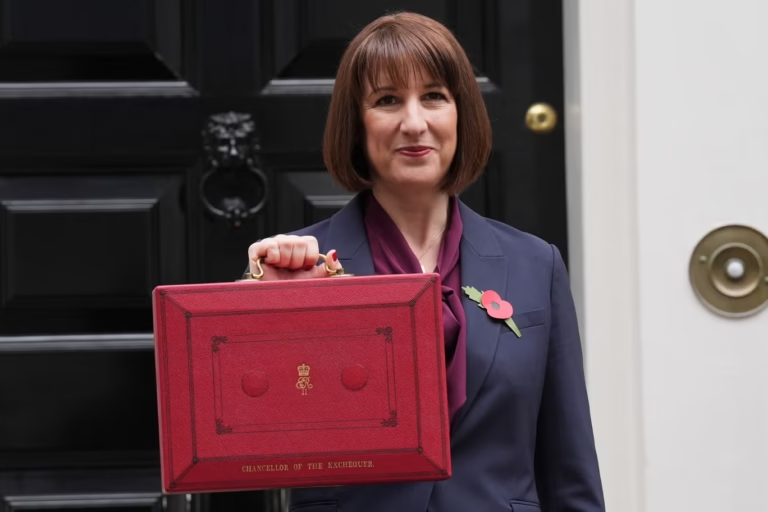
The UK  growth forecast is facing challenges for a tough economic chapter, as early reports suggest. The Office for Budget Responsibility is preparing the UK growth forecast to sharply cut its 2026 outlook. This revision is more than a routine adjustment- it is a strong signal that the UK growth forecast is moving in a worrying direction. The inflation is rising, and borrowing costs are slowing. Productivity is remaining stagnant. Economists now expect the recession to be deeper than previously thought. Businesses and policymakers, the downgrade for households is a clear warning that growth over the next few years may not be as hoped.

A Downgrade That Carries Real Weight

The UK’s growth forecast prepared the fiscal watchdog to revise its forecast downward. It is sending waves into every corner of the economy. These government estimates the influence on budgets, corporate planning, salary expectations, and investment decisions. Reductions of this magnitude show that recession is no longer a distant risk – it is becoming the central scenario.

The insiders suggest lower-than-expected productivity, but numbers are still being finalised.    The watchdog needs to reevaluate its assumptions and has forced ongoing inflationary pressures. This means tighter public finances, slower expansion, and a more fragile environment, already putting pressure on businesses.

Weak Productivity: The Long-Term Drag

One of the main reasons behind the downgrade is the UK’s ongoing productivity challenge. This is not a new issue. This has been the country’s economic weakness since the global financial crisis. But this gap has increased significantly in recent years.

Workers in many major economies are producing less per hour than their counterparts, and the recession is affecting everything from wage increases to tax revenues. As long as productivity remains sluggish, the UK growth forecast will continue to face downward pressure.

The industries that historically drove the economy – manufacturing, logistics, and financial services – are still adjusting to structural changes. Meanwhile, new industries driven by AI, technology, and digital innovation have not yet expanded enough to overcome this problem.

Borrowing Costs Are Strangling Confidence

The era of cheap money is long gone. Even though interest rates have stabilised somewhat, they remain much higher than the level of growth in households and businesses over the past decade.

Homeowners coming out for fixed-rate deals and the bump in mortgage payments is imported. The businesses that invest in slow equipment face borrowing costs that limit expansion, delay hiring, and hinder technology and development. 

This is where the UK’s growth forecast feels the second big blow. When both consumers and companies limit their spending at the same time, demand weakens – and a recession becomes more likely.

Inflation: Cooling, But Not Quickly Enough

The Bank of England’s target remains above, but Inflation has retreated from its peak. Some categories, such as food, transportation, and services, are facing persistent price pressure.

The UK’s growth forecast has been further downgraded. This behavior slows the flow of money through the economy. The challenge is not just inflation but also its stickiness. It takes time to get relief, and during that time, economic activities remain slow.

Businesses Are Preparing for a Learner 2026

Corporate Britain is already adjusting to the new environment. Several business groups have warned that business leaders are going on the defensive. Spending cuts, hiring freezes, and reduced investment plans are becoming common.

The combined effect is a drag on the broader economy. The UK’s growth forecast inevitably weakens when companies reduce their ambitions. Sectors such as retail, construction, real estate, hospitality, and professional services are considered the most stressful.

Households Are Feeling the Weight Too

The way is to use the cost-of-living crisis, which does not make headlines, but its impact remains evident. For families, financial hardships continue. Energy bills remain higher than before the pandemic. The food prices have been slow to decline, and rents are rising faster than incomes.

Disposable income decreases when everyday expenses increase. This reduces household spending, contributing to weak retail performance and soft growth. This is another reason why the UK growth forecast is being revised downwards.

A recession doesn’t just happen on the balance sheet – it starts in the real, lived experience of millions of families.

A Complicated Backdrop for the Next Budget

The UK government downgrade creates a difficult environment as it prepares its next set of fiscal plans. When UK growth forecasts fall, government revenue expectations decline. This leaves officers with fewer options and more pressure.

Challenging decisions may be faced in the upcoming budget:

  1. Should taxes increase to close the gap?
  2. Should public spending be reduced?
  3. Should the rise in government borrowing?
  4. Should major projects be delayed?

Each choice comes with political and economic consequences.

Time is also important. Long-term planning is difficult in the unstable economic backdrop, which makes it exactly the time when stability is needed most.

Is There Any Room for Optimism?

The country’s services sector is resilient. The tech industry is expanding, and investments in AI are increasing. Advanced manufacturing and green energy are on the rise.

If productivity improvements are implemented and investment incentives are strengthened.

The UK growth forecast could be more stable sooner than some anticipate. But these efforts require coordination and urgency.

Economists argue that targeted policies – improving infrastructure, simplifying regulations, supporting innovation – could meaningfully change the trajectory.

Final Takeaway: A Hard Road Ahead, But a Path Still Exists

The UK growth forecasts are expected to decline in painting a challenging picture for the next two years. With productivity slowing, borrowing costs rising, and inflation remaining stagnant, the economy faces multiple headwinds.

But the situation is not irreversible. The UK towards a stable state when the right policy mix, with private sector investment and a focus on long-term recovery, could still take. The warning is both strong and timely. If action is taken, this could be the beginning of a difficult but necessary recovery – not a long-lasting crisis.

Netflix Makes New Move After UCL Blow: A New Fight for Premier League Rights

0

Netflix is now supposedly circling the Premier League rights with more motive than ever after missing out on a Champions League deal. This feels like a moment that could reconstruct the way football fans view the game. In the UK, if you’ve followed sports broadcasting over the past few years, you’ll know that the landscape has changed more quickly than most people expect. But the latest twist has really caught everyone’s attention. Netflix saw the doors to Europe’s biggest tournament close, and instead of backing down, it turned its attention to something even more commercially powerful: the Premier League.

Why Netflix Wants In Now

When a global streamer suddenly pursues Premier League rights, the timing is not accidental. The Champions League debacle exposed gaps in Netflix’s long-term plans. Live sports have become the last real anchor for appointment viewing. People do not move forward. They don’t play six matches together.

And the Premier League provides this better than anything else.

That’s why the phrase Premier League rights has been floating around the industry all week – everyone understands how big this bid could be.

A Potential Earthquake for UK Broadcasting

Let’s be honest: watching football in the UK already feels like managing a full subscription portfolio. Between Sky Sports, TNT Sports, streaming platforms, and highlight shows, fans regularly complain about fragmentation.

Imagine Netflix breaking into that setup.

A subscription, an app. No utensils. No box. No upgrade fee.

It’s not just cute – it’s disruptive. And if Netflix secures Premier League rights, existing broadcasters will immediately feel the pressure. Prices may change. Packages are subject to change. Match availability may improve or become more specific depending on the strategy.

The point is simple: the entry of a giant like Netflix into the region will change the balance of power overnight.

The Fan Perspective — Pros and     Cons

The idea of ​​Netflix grabbing Premier League rights is exciting for most fans. Already, many people use the platform daily. So adding live soccer seems like a win. Young fans in particular prefer streaming and watch traditional channels less.

In the world, the Premier League is one of the most expensive sporting products. Any company buying Premier League rights will have to justify the investment. That money has to be made back somehow – either through new pricing tiers, add-ons, or special sports bundles. Football on a familiar, easy-to-use platform can make match days easier for millions of people. This alone explains why people are discussing Premier League rights this time around.

What This Means for Sports Media Going Forward

If Netflix enters live football, its impact could reach far beyond league matches. The company has already recorded the story of sports through documentary series, behind-the-scenes access, and personality-driven formats.

If Netflix also owned the rights to the Premier League, imagine what could happen:

more club documentaries.

  • In-depth storytelling around match days
  • Global access for local teams
  • Crossover between football content and entertainment formats

This increases the importance of the game beyond 90 minutes. Clubs know this, which is why the idea of ​​becoming the new broadcast partner of a global platform is interesting. The exposure potential is very high.

And it doesn’t stop here. The success of the Premier League rights could inspire Netflix to explore other competitions like the FA Cup or even dive into EFL coverage.

The door won’t just open – it will stay open.

A Strategic Correction After the Champions League Miss

The failed Champions League bid sent a clear signal: Netflix wants live sport, and it wants it badly. But the defeat also showed how competitive that place has become, especially in Europe.

Bringing attention to Premier League rights isn’t just a backup plan – it’s a better plan. The Premier League has a stronger global reach than the Champions League in many markets, and offers a consistent schedule from August to May. More games. More weeks. More engagement.

For Netflix, that’s gold.

And this is the seventh time Premier League Rights has appeared in this article – because that’s the term driving almost every industry conversation at the moment.

The Business Case Behind the Move

Let’s break down the argument.

Netflix wants:

  • Strong dominance in the UK market
  • new customers
  • better retention
  • weekly participation
  • worldwide visibility
  • Dependence on scripted hits has reduced

Securing Premier League rights directly supports all of those goals. This gives the platform access to fans, homes, pubs and workplaces that still rely on traditional broadcasters. It also solidifies Netflix’s position as a true entertainment and sports hybrid service.

What Happens Next?

Nothing has been confirmed. No deal has been signed. But discussions are taking place behind the scenes, and broadcasters know the risks involved. The next rights auction could be the most competitive yet, and the presence of a global streamer completely changes the rules of engagement.

Fans can soon watch the Saturday lunchtime show on Netflix. Or the Monday night game. Or even a new packaged set of fixtures designed for global streaming.

And with that, we have had our ninth reference to Premier League Rights, with one more reference yet to be added to its conclusion.

Takeaway — A New Football Era Could Be Taking Shape

Netflix’s entry into the battle for Premier League rights is the clearest sign yet that the future of football broadcasting will not look like the past. Whether the streamer wins or not, the message is loud: The biggest tech players want a piece of the world’s most valuable league.

The match day will change if Netflix is ​​successful. The pressure on traditional broadcasters will increase if Netflix fails.

The Truth About Aldi vs Tesco Protein Snacks in the UK

0

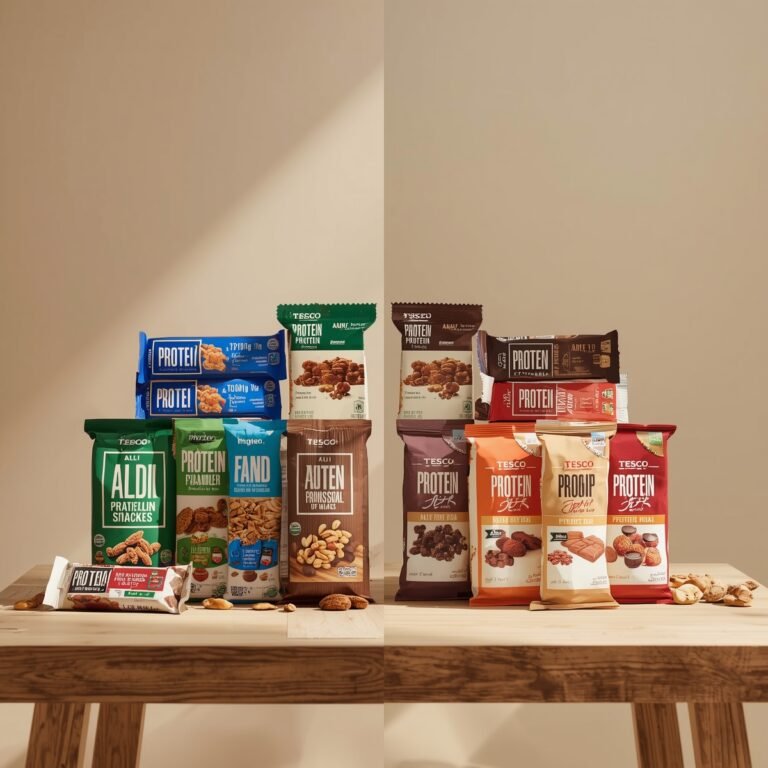
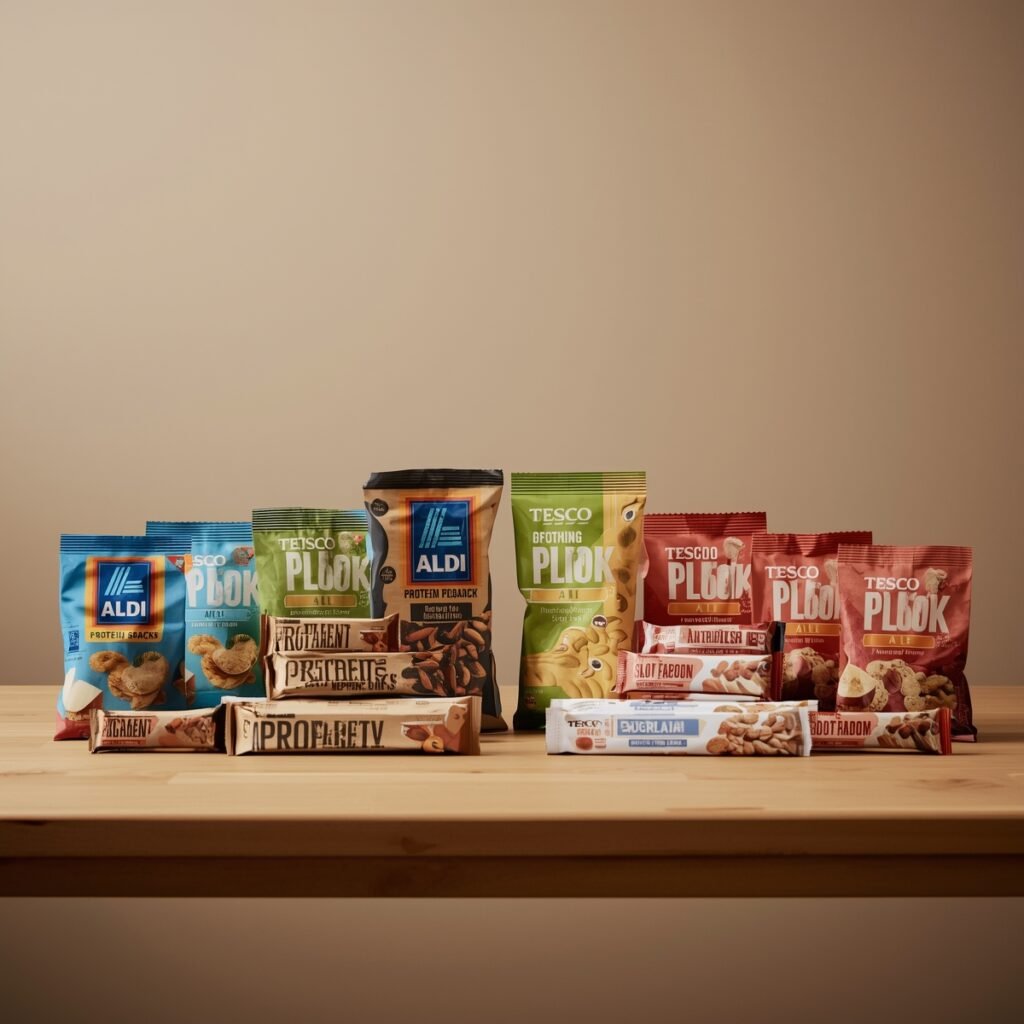
A few years ago, the conversation around Aldi vs Tesco protein snacks moved from niche gym culture to mainstream grocery decision-making.

British shoppers began to pay attention not only to how much they eat, but also to what they eat. But it also depends on what they eat between meals, instead of reaching for sugary cereal bars, chocolate, pastries, or impulse snacks. Many people are leaning toward higher-protein options that promise greater prosperity and satisfaction. For many households, this is not just a taste quality. It is a lifestyle high standard driven by comfort, price, health awareness, and better product availability on supermarket shelves.

How High-Protein Snacking Became a UK Lifestyle

The non-gym goers now understand that higher protein intake can aid in appetite control, maintain lean mass during diets. This improves daily energy levels. In the UK, the fast pace of living also means that snacks need to be practical, portable, and satisfying. Something that causes an energy crash after 30 minutes.

Aldi vs Tesco protein has responded to this demand. All is marketed as protein-forward. This raises a natural question. Who really offers better value and quality?

The Showdown: Aldi vs Tesco Protein Snacks Face-Off

The comparison of Aldi vs Tesco Protein Snacks goes beyond surface-level branding.

To evaluate them properly, we must consider:

  • protein quality, not only grams
  • calorie density and satiety value
  • sugar and sweetener composition
  • dietary inclusivity (vegan, gluten-friendly)
  • texture and flavour consistency
  • value per serving and per gram of protein
  • availability and product diversity

Both retailers offer solid options, but through noticeably different strategies

Aldi = cost-efficient, volume-focused supermarket innovation

Tesco = wider selection, premium branded partnerships, better diet inclusivity

Aldi Strengths: Smart Protein for Budget-Conscious Shoppers

Aldi vs Tesco, Protein most popular items are like protein. Pudding and high-protein yogurt focus on larger pot sizes and creamy dessert-like textures. The approximately 20 grams of protein per serving is at a lower price than most branded products. These snacks are an excellent selection for those who want both taste and filling without spending a lot.

This makes Aldi vs Protein ideal for people who eat breakfast every day. People are watching macros or need something that will curb food cravings in the evening. For many dieters, high-volume snacks provide emotional comfort without reducing calorie intake.

Tesco Strengths: Wider Selection & Premium Taste Experience

Aldi’s vs Tesco’s protein snack aisle seems more streamlined. Aldi with more varied formats and dietary ideas. This includes popular names with its own brand selection, like Grenade, Barebells, Misfits, PHD, and Trek. Which often offer cleaner flavor profiles, richer textures, and more refined formulations.

Tesco vs Tesco is also strong when it comes to special lifestyle needs. The vegan bars, whey-isolate formulas, gluten-friendly options, and low-sugar items. This makes it a preferred choice for those who prioritize flavor accuracy. The mouthfeel, or ingredient transparency, rather than just quantity.

The trade-off is that cost–premium bars can exceed £2.50 per item.

Ingredient & Nutrition Breakdown: Which Wins?

Protein Source Quality

Tesco leads the way due to branded product partnerships that often use superior protein filtration methods, such as whey isolate and blended sources.

Satiety & Practicality

For picky eaters who want larger portions for the same calories, Aldi is leading the way with its pudding range and dairy-forward snacks.

Sugar, Sweeteners & Gut Comfort

Avoid both high sugar content; However, Tesco’s branded lines contain a lower polyol count, reducing the risk of inflammation.

Value Per Gram of Protein

Aldi is a mismatch in cost-efficiency, making long-term use more financially sustainable.

This makes the Aldi vs Tesco protein snacks decision highly goal-dependent.

Real-World Usage: Which Suits Your Lifestyle?

Instead of deciding which supermarket is “better”. It is more useful to decide which supermarket is best for different daily groceries. For example:

  • Refueling after workout: Tesco-branded bars deliver high protein quality and taste consistency
  • Evening hunger prevention: Aldi pudding and thick yogurt provide filling 
  • Budget weekly meal plan: Aldi helps meet protein needs without spending much
  • Diet variety and novelty factor: Tesco offers more snack rotation options
  • Plant-based shoppers: Vegan representation is strong at Tesco
  • This balanced approach supports a healthier and more sustainable snack relationship, not restrictive.

Consumer Behaviour: Why the Debate Exists

Social media raises reviews on TikTok and Instagram Reels, and has turned grocery shopping into an enjoyment. Tesco protein snacks, making the supermarket aisles part of the wellness lifestyle narrative rather than just a shopping task.

Verdict: A Flexible Strategy Wins

Aldi vs Tesco protein snacks debate. It would be misleading to declare either one a winner.  Instead, think like a nutrition-smart consumer:

  • Buy Aldi when price and perfection matter
  • Buy Tesco when experience and dietary precision matter

A balanced “mix and match” mentality that can make long-term compliance the most important factor in any health-focused routine.

Final Thoughts

The Aldi vs Tesco protein conversion snacks reflect a meaningful shift in UK food culture. Snacks are no longer just about taste or impulse comfort. They now represent health goals, identity, budget planning, and weekly structure.

The easy way is not to select the same supermarket forever. It is to understand when each one serves you best.

FAQs

1. Question: Which Aldi vs Tesco protein snacks are suitable for weight management?

Answer: Yes – this comparison of Aldi vs Tesco protein snacks shows that both offer low-sugar, high-protein options that can support calorie control.

2. Question: Which is healthier in the long term?

Answer: It depends on digestion, lifestyle, and overall food balance. Both can fit into a healthy diet – the choice of Aldi vs Tesco protein snacks is personal, not absolute.

Why UK Cycling Adventures Are More Exciting Than Ever

0

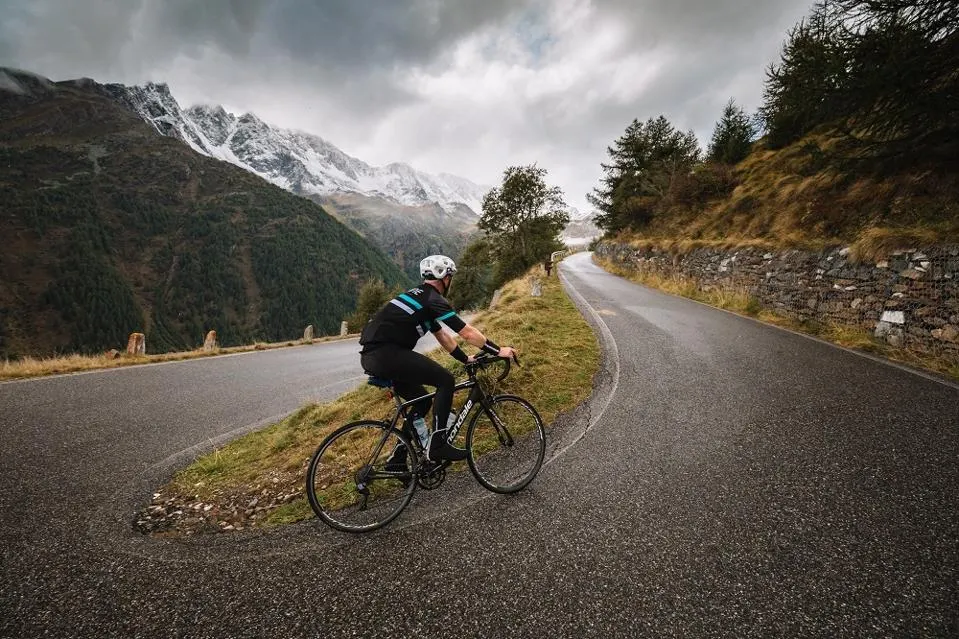
Something remarkable is happening on British roads and footpaths.UK Cycling Adventures is no longer a solitary activity or a Sunday-morning ritual. It has now become a social culture, a welfare movement, and a national migration plan. The excitement of cycling is increasing rapidly in Britain. It’s not just for Lycra riders anymore. Young people, families, and travelers are all getting involved. Even digital nomads with folding bikes are joining in on the fun. The result is a new definition of freedom, one that evokes the scent of wet tarmac, pine forests, and instant coffee brewed over a saddlebag stove.

How Britain fell back in love with the ride

Cycling has always been a part of the British identity. From penny-farthing pioneers to Tour de France heroes, bikes are woven into our cultural memory. Yet for years, they remained in the background in the shadows of cars, trains, and convenience.

Then the world changed. During the pandemic, bikes became passports to sanity. People rediscovered local streets, canal paths, and hidden green corridors. When the world opened up again, they didn’t stop. They wanted more and more distance, more exploration, more story. That reinvention ignited the current wave of UK cycling adventures, reshaping the way we think about travel and fitness.

The rise of the hidden route

In Britain, there are many famous cycling destinations, the Lake District, the Highlands, and the Yorkshire Dales. The real charm lies in hidden lanes, the quiet back roads, and those that wind through fields and forests. These hidden passages feel personal, like old memories that only the locals know about. Riders share them via chat, maps, or sunrise clips on Instagram or TikTok.  The stunning sea views you won’t see in guidebooks. In Cornwall, narrow lanes filled with wild flowers lead to cliffs. District’s old railway tracks now link cobbled villages and warm cafes in the Peak. Farther north, the roads near Bamburgh Castle challenge your legs and reward you with breathtaking views. These places are the new epicenter of UK cycling, everyday landscapes reinvented on two wheels.

The cultural shift: bikes as lifestyle, not hobby

UK Cycling used to be an expensive gear-exclusive hobby, with long distances, intimidating clubs. That’s changing the new wave of British. Riders aren’t chasing wattage charts. They are chasing moments. They make rides for sunrise photos, mental clarity, or mid-ride coffee stops feel like mini vacations. Social media helped turn the narrative. Hashtag culture normalized beginner rides, second-hand bikes, and imperfect gear. What matters now is the story, not the pace.

Even the way cyclists dress has evolved. The technical kit now meets streetwear commuter jackets that look sharp off the bike, trainers designed equally for pedals and pavement. Brands have turned UK cycling adventures into both a fashion statement and a mindfulness practice.

Gen Z and the new cycling identity

Gen Z riders are redefining the sport. They value community, stability, and experience over competition. Instead of joining clubs, they form pop-up riding collectives. They blend cycling with content creation, environmental activism, and digital storytelling.UK Cycling Adventures are not about endurance, they’re about expression.

When the outdoors became a lifeline, many young cyclists grew up during lockdown. They associate the bikes with freedom and connection rather than structure. TikTok and YouTube cycling channels speak their own language, short films about friendships, landscapes, and life lessons learned on two wheels. It’s less about Strava trophies and more about mental health checks between rides.

How technology powers the movement

Apps, GPS, and mapping tools have turned navigation into an adventure game. Cyclists now create routes from community data and discover routes that have never been shown in any printed map. E-bikes are also changing the demographic. They’re leveling the hills, opening up countryside trails to people who’d never thought of cycling before. The inclusivity of e-cycling has expanded the meaning of UK cycling. Adventures are no longer limited by age, distance, or athletic background.

Bike-packing gear has become light and elegant. Solar chargers, roll-top panniers, collapsible tents, and they’re all part of the new mobile ecosystem. This technological communication has made multi-day trips possible not only for hardened explorers but also for ordinary people.

The social side of the saddle

Cafe stops have become cultural destinations. In the Cotswolds, converted barns serve espresso and flapjacks to riders covered in rain and glory. In Scotland, roadside stands offer both warmth and stories between strangers. This camaraderie defines modern UK cycling adventures. Riders swap tire tips, lend pumps, and post photos of each other’s bikes online with affectionate captions. The sense of belonging runs deep and is a calming antidote to the loneliness of digital life.

The environmental mindset

Cycling also fits into the national mood of sustainability. As Britain turns its attention to the environment, pedal power feels like both rebellion and responsibility. Choosing the ride is to reduce emissions, support the local economies, and rediscover the natural geography of the islands on which we live. Rural tourism boards now promote bicycle-friendly villages. While city councils expand bike lanes and low-traffic areas. Ultimately, the infrastructure feels aligned with the cultural energy behind UK Cycling Adventures.

Future of UK Cycling Adventures

The next phase looks even brighter. Adventure companies are packaging exclusive cycling experiences that combine sport, gastronomy, and heritage. Think Yorkshire cheese trails by bike or Scottish whiskey rides in the Highlands. Bicycle-friendly housing is expanding rapidly. Even train operators are improving carriage space for bikes. The dream of spontaneous weekend exploration, a short train ride, a hidden passage, and a night in a small inn is becoming a reality for more people every month.

Urban cycling is also entering a creative era. Gravel bikes slide across parkland. Fixies share lanes with cargo bikes. Night rides light up the Thames Path. The diversity of types of cycling reflects the variety of the riders themselves.

Final thoughts

Bikes have always been a symbol of freedom, but today that freedom feels shared and democratic. UK Cycling Adventures represents much more than sport; They symbolize cultural recovery, reconnection with the land, and a new collective rhythm. They remind us that Britain’s best views aren’t locked behind paywalls or flight tickets. They’re waiting at the end of a quiet lane.

Every paddle highlight tells a little story. Together, they create a national narrative of reinvention. That’s why UK cycling adventures are more exciting than ever.

FAQs

1. Question: What makes UK Cycling Adventures unique?

Answer: They combine culture, scenery, and accessibility. The variety of terrain, from coastal trails to pristine byways, keeps every ride fresh.

2. Question: Do I want an expensive bike?

Answer: No need for an expensive bike, Hybrid bikes are reliable for roads, gravel, or are sufficient for most routes. Comfort matters better than cost.

3. Question: How can beginners find hidden passages?

Answer: Join local cycling groups on Strava or Komoot. Many riders share their GPX files publicly for free exploration.

4. Question: Are UK Cycling Adventures safe for solo riders?

Answer: Yes, with planning. Stick to known routes, carry lights, check weather updates, and have someone tell you your route.

5. Question: Which season is best for searching?

Answer: Spring and fall have milder weather and fewer crowds, but each season brings its own charm, from the brightness of summer to the solitude of winter.

How Women’s Football UK Became Britain’s New Sporting Era

0

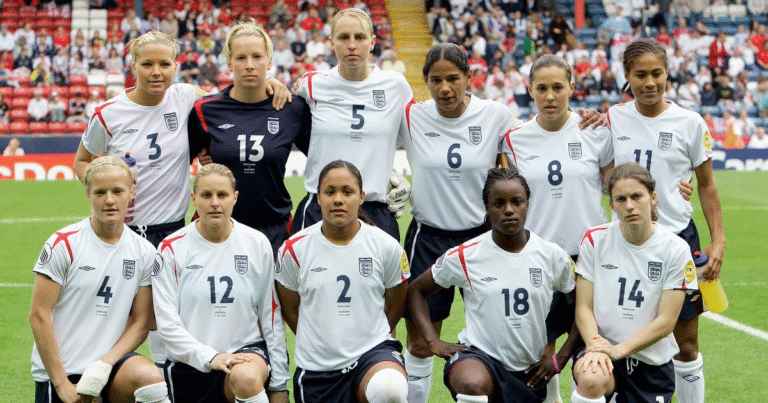
Women’s football UK is no longer a side story. This is not a special corner of sports media. This is not some innovative project quietly waiting to attract attention. It has become a cultural force unto itself. It has become a mainstream sport. It has become appointment viewing. It has become a massive identity and representation. And it has become the most significant sporting change in Britain this decade.

Where It all Began: Women’s Football UK

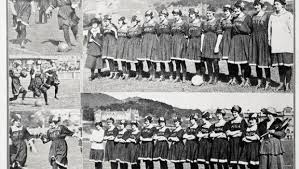
Women played football in Britain more than a century ago. Thousands of people watched women’s matches after the First World War. Girls filled the stadium while the men were at war. It was accepted. It was natural. This was normal.

The FA banned women from playing on FA pitches in 1921.

Women’s football in Britain has been suppressed for generations. This ban lasted for 50 years. There was widespread damage to development, infrastructure, roads, and commercial infrastructure. But it’s the history that makes this era feel so powerful. Because this generation is not rising from nothing, it is rising from injustice. There is a feeling of cultural reform. The feeling of rebalancing a mistake. Success seems to be earned, not gifted.

How Modern Growth Began

The modern rise began slowly. The England women are continuously qualifying. Team GB at London 2012. Gradual commercialization. The media is starting to care. Clubs are investing again. Schools are slowly making space. The demand from broadcasters is beginning to be seen. Young girls only see role models in football kits rather than in pop culture.

It built year after year until a moment like 2022 made everything clear. The Lionesses winning the Euros changed national identity. It changed young girls’ beliefs that it was possible. This changed the country’s view of women in sports. This led to a change in how football executives perceived business value.

The Present Reality: Women’s Football UK

Women’s football UK is no longer a “good cause” conversation. This is a business conversation. This is a strategic rights conversation. This is a mainstream broadcast conversation. Its fan culture is real and deep. There is tribal energy in it. There is rivalry in this. There are narratives in it. There is an emotional investment in this. The audience is not passive. The audience is not watching politely. The audience is hungry. This information has been given. It is emotionally connected with the movement because it is history happening live.

Why This Era Feels Different Culturally

It’s not about copying men’s football. It is not about repeating the same structures. It’s not about matching aggression or replicating exactly the same tribalism. Women’s football UK is creating its own tone, its own relationship model with fans, its own visual identity, and its own cultural framework. The joy inside this game feels different. Inclusivity feels different. Access feels different. The player-to-supporter connection feels more authentic. There is less skepticism. Low toxicity. Less industrialized hatred. Less demonstrative rivalry. People choose this sport because it feels good to support it. Being supportive feels emotionally healthy.

The Identity Revolution

There is a generation of girls who will never grow up believing that football is not them. There is a generation of boys who have already grown up normalizing women as football heroes. There is a generation of adults who are finally realizing how much potential was blocked for decades. This is the reason why this is not an era of propaganda. This is structural. This is the identity level. This is cultural redefinition. This is long-term. Women’s football UK is not taking off because of a marketing wave. It is growing because it aligns with Britain’s new values: equality, representation, access, agency, visibility, and shared cultural ownership.
Why Gen Z is Driving Women’s Football UK Boom

Gen Z didn’t grow up with the old sports hierarchy. They do not believe that men’s football is the default and women’s football is secondary. They consume sports differently. They give more importance to representation. They don’t follow institutions but players. Their fan base is driven by identity. His loyalty towards the corporation is emotional. Women’s Football UK naturally resonates with their values ​​as it reflects fairness, equality, community, and progress. They don’t need to be convinced. They came already united. They also consume football as a social culture. They watch players interact online. They follow from behind the scenes. They look for emotion and narrative. They engage with stories before statistics. This game gives them that naturally.

WSL Impact and The Shift in Domestic Power

The Women’s Super League changed everything structurally. This gave women’s football a league product that could scale commercially. Clubs invested. Broadcasters invested. Sponsors invested. Attendance data climbed. Broadcast figures surged. The level increased rapidly. Talent development improved. The roads were cleared. Women’s football in the UK suddenly had a league that could stand up not as a charity project but as a real product. And when a league becomes a real product, the culture changes permanently. There is no temporary hype about it now.

TikTok and New Football Culture

TikTok football culture has changed the way fans engage with the game. The new match day highlight reel is a concise form of emotional storytelling. Clips of locker room cheers, tunnel walkouts, moments of player personality – these spread faster than sophisticated broadcast packages. Gen Z and younger millennials connect with football through emotional pieces, not through a structured 90-minute narrative. Women’s football UK thrives within this new media language because players are relatable, accessible, human, and visible online. They are not protected behind corporate performance masks like many male football celebrities. This human closeness is a superpower.

The Future Trajectory

This is not the ultimate moment. It’s a start. Revenue will increase. Pay scale will increase. Youth paths will be bigger. Broadcasting rights will increase. The identity of the stadium will increase. Sports tourism will increase. Legacy clubs will begin to view women’s teams not as side projects but as global anchor brands. The next five years will define the UK women’s football’s global position. Britain could become the global capital of women’s sport. The pipeline is strong. The growth of the fanbase is sustainable. Cultural alignment is modern. This generation will not let the game shrink again.

Final Thoughts

This movement is not just about sports. It’s about identity and agency. It is about the right to dream without any restrictions. Women’s football UK is rewriting who belongs on the pitch, who owns the narrative, and who shapes the national sporting memory. It is not just growth that is being seen in Britain. Britain is witnessing a sporting rebirth that will transform the next half-century of football culture. This is a new sporting era.

FAQs

Question: Is women’s football in the UK profitable?

Answer: Yes, and as the rights and sponsorship scale continues to grow exponentially year by year.

Question: Why is attendance increasing so rapidly?

Answer:  Because the demand was always there. Reach and coverage eventually caught up.

Question: Does grassroots participation influence future development?

Answer: On a large scale. Pathway volume equates to long-term competitive quality and commercial value.

Question: Will salaries eventually equal men’s football?

Answer: Not in the near term, but they will increase rapidly as the league’s valuations are rising rapidly.

Question: Is this growth sustainable?

Answer:  Yes. Cultural change is structural, generational, and value-based, not a temporary fad.

Why Hidden Villages UK Are The New Weekend Trend

0

Hidden Villages UK is changing the way people travel in Britain. This change is real. And it is spreading rapidly. People are now opting for smaller places instead of crowded cities. They want peace instead of noise. They want nostalgia rather than overload. They want beauty that feels soft and unexpected. Hidden Villages UK offers exactly that.

Why Travellers are Changing Direction

Weekend trips used to mean big cities. People rushed to London, Manchester, Birmingham, and Edinburgh. The goal was excitement. But life has changed. People are tired. Work pressure is felt constantly. The screens never turn off. Digital noise never quiets. Burnout is common and silent. Therefore, the purpose of weekend travel has changed. People now want restoration. They want leniency. They want to avoid less pressure. And small villages provide that peace without any effort.

The Fairytale Factor: Hidden Villages UK

Hidden Villages UK seems unreal. But they are real. They are made of stone. They are old. They don’t look like destinations but like paintings. Castle Combe in Wiltshire does not look modern. It feels preserved by time. Bibri looks almost too perfect. It feels like a world from a children’s storybook. Staithes feels untouched. It feels like a scene from an old coastal movie stuck forever. These places don’t try to impress. They simply exist, and that is enough.

Calm Adventure, Not Frantic Movement

A journey to a village is a slow exploration. You walk. You wander. You see. You breathe. No queue. No tiring pace. No pressure to document everything. Hidden Villages UK allows for a different emotional pace. They allow the weekend to feel like space. No more stress. The thrill is still there. But this is a soft adventure. This is an emotional adventure. This is a mental recovery adventure.

Affordability is also Driving This Shift

The cost of living has changed the psychology of travel. Big trips seem expensive now. The cost of flights is high. Long-distance hotels cost more. Even short trips into the city cost more. Villages reduce barriers. They feel emotionally luxurious without a luxury budget. A train. One night in a small inn. A walk along a river. A pub lunch. It feels deep and meaningful. but not financially exhausting.

Social Media is Boosting This Quietly

Nice photo of Hidden Villages UK. very well. But without any force. Stone bridges do not require framing tips. Honey-colored walls don’t need editing. The dawn light on calm water looks like a cinema without any effort. People want beautiful memories without any display of beauty. Villages perform this very well.

The Rise of Small-Scale Food Culture

Village food is no longer boring. Farm shops have developed. There has been an improvement in the village bakeries. Craft cheese counters are common. Locally roasted coffee is common. Small plate pub food is on the rise. People want food that feels down-to-earth. They want simple content done well. This suits slow travel perfectly. This supports the psychology of withdrawal. Not consumption.

Sustainable Travel is Emotional Now

Sustainability isn’t just recycling or carbon conservation. Stability is emotional stamina. People don’t want to return from the weekend tired. They want to be restored and return. Hidden Villages UK conserves psychic energy. They reduce excitement. They increase peace. They slow down internal speeds without demand. They allow people to breathe naturally again.

Why Hidden Villages UK is Not Temporary

This is a behavior modification. No trend spike. The modern British traveler is in search of meaning. Not a novelty. They want grounding. Not a show. They want history. No artificial effects. Old British rural architecture has a powerful emotional impact. Moss. Stone. Lush green streets, a small chapel, water, and an old pub. It all touches something tender inside people. It reminds them of something old and deep. Something more human than modern speed.
Hidden Villages UK is carrying the emotional infrastructure of the new weekend economy.

Final Thoughts: Hidden Villages UK

Weekend travel in the UK is changing permanently. People are tired of stress-based comfort. They are busy proving how busy they are. They want peace that feels earned. They want old memories that seem pure. They want quiet beauty that doesn’t require display. Hidden Villages UK meets this need perfectly. These calm the mind. They slow down the heart rate. They make time feel alive rather than rushed. They allow people to exist for only 48 hours without trying to customize anything.
Because of this, they will not fade. They are not some temporary travel promotion. They are the next natural form of domestic migration. Britain needed this comeback. The world needed this comeback. Fairy tale villages are no longer imaginary. They are the new emotional drug for the modern weekend traveler.

FAQs


Question: Are Hidden Villages expensive to visit in the UK?
Answer: Generally not. The journey is domestic. Accommodation is flexible. The cost remains low.
Question: Which regions have the most fairy-tale villages?
Answer: Wiltshire. Cotswolds. Devon. North Yorkshire. Cornwall.
Question: Do you need a car to get around?
Answer: A car gives freedom. But many places can also be reached by train and small bus, or taxi.
Question: Is it good for solo travel?
Answer: Yes. These places are quiet. They are safe. They support contemplative singles weekends.
Question: Which season is best?
Answer: Any season works. Winter looks cinematic. Summer feels dreamy. Autumn sounds poetic. One feels the rebirth of spring.


High-Protein Desserts UK Shoppers Cannot Stop Buying Right Now

0

Protein used to be something that people mainly associated with chicken, protein shakes, gym bags, and serious weightlifters. Now it’s mainstream, casual, everyday life, and it’s quietly entered the dessert world in a way no one expected. The rise of protein desserts UK culture is one of the most notable food trends currently shaping British supermarkets, TikTok kitchen hacks, flexible dieting, and gym lifestyle behaviors.

People really don’t want to live in restriction mode anymore. They don’t want to feel punished for wanting something sweet. They want sweets without regrets. They want chocolate-like satisfaction without the sugar crunch. They want soft, creamy, luscious texture without feeling like they’ve ruined their macros for the rest of the day.

And that’s why Protein Desserts UK ingredients are going viral and why supermarket sales in protein-based dessert categories have soared.

This trend is being driven by the merging of two types of people:

  • Gym culture and fitness-inspired eaters
  • UK everyday shoppers who are tired of increased hunger and unstable energy

When both groups want the same solution… the change becomes permanent.

Protein Desserts. Below are the top ten dessert categories within the UK that people are really crazy about and actually buy again and again.

1. High-protein ice cream: Protein Desserts UK

This is the sweet that makes everyone question how it became legal. It tastes like real ice cream, it melts like real ice cream, and yet it fits into macros in a way that works for cutting phases, lean phases, and maintenance behaviors. People keep it in the freezer as a cure for late-night hunger.

2. Protein cheesecake slices and pots

Cheesecake is that dessert that usually ruins a diet instantly. So the fact that it now exists in a balanced, high-protein sweet form is a psychological win. This allows people to enjoy sweets without any fear.

3. Protein puddings: Yummy High-Protein Desserts UK

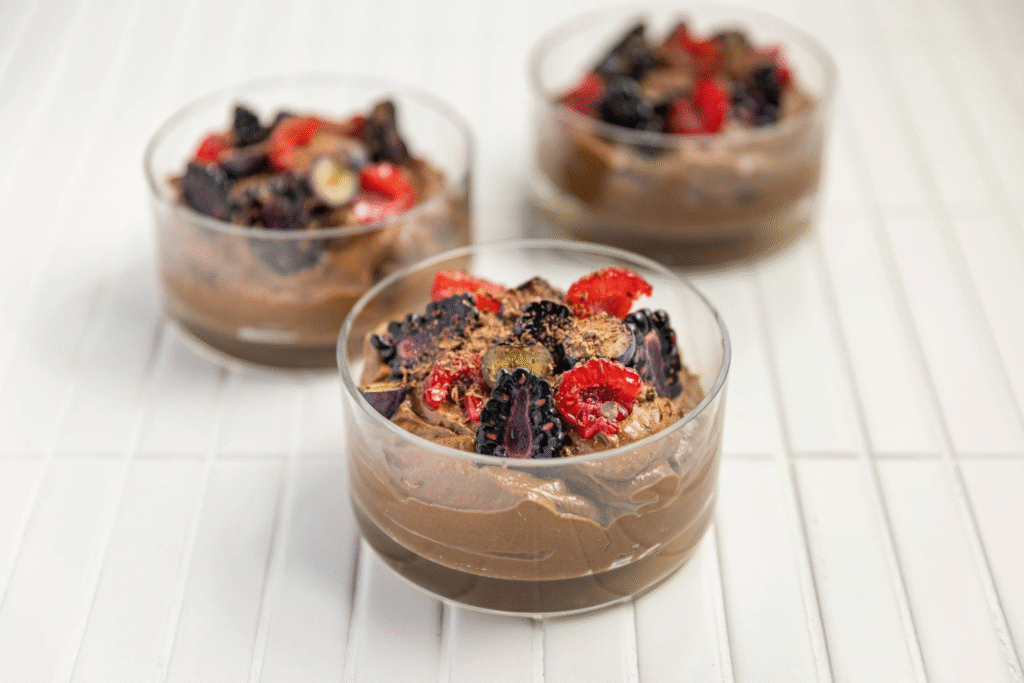
Protein Dessert This comforting favorite has become a staple in the UK because it doesn’t feel like a diet meal at all. Thick, creamy, chocolatey or vanilla, a slow spoonful pleasure… and it still supports your macros.

4. Protein brownies and soft bakes

People take them to work, to university, to gym changing rooms, on drives, to game nights, everywhere. It feels like enjoying a real bakery, but still fits within daily calorie goals.

5. Protein yoghurt-based desserts

This is a hybrid category, and protein dessert is one of the most flexible dessert hacks within UK culture. You can flavor this range any way you like: berries, Biscoff style, peanut butter drizzle, chocolate chunks, caramel drizzle. It’s sweet but can be controlled to match the exact eating goal for the day.

Why gym-focused eaters specifically fuel Protein Desserts UK

People at the gym understand the emotional psychology of weathering better than anyone else. When you impose too many restrictions, you crash. When you eliminate pleasure, you end up with a lot of stress later on. When you lose the sweets completely, eventually you go broke. So having a dessert range that really supports the progress of lifting, cutting, recombining, and the lean phase is a key moment.

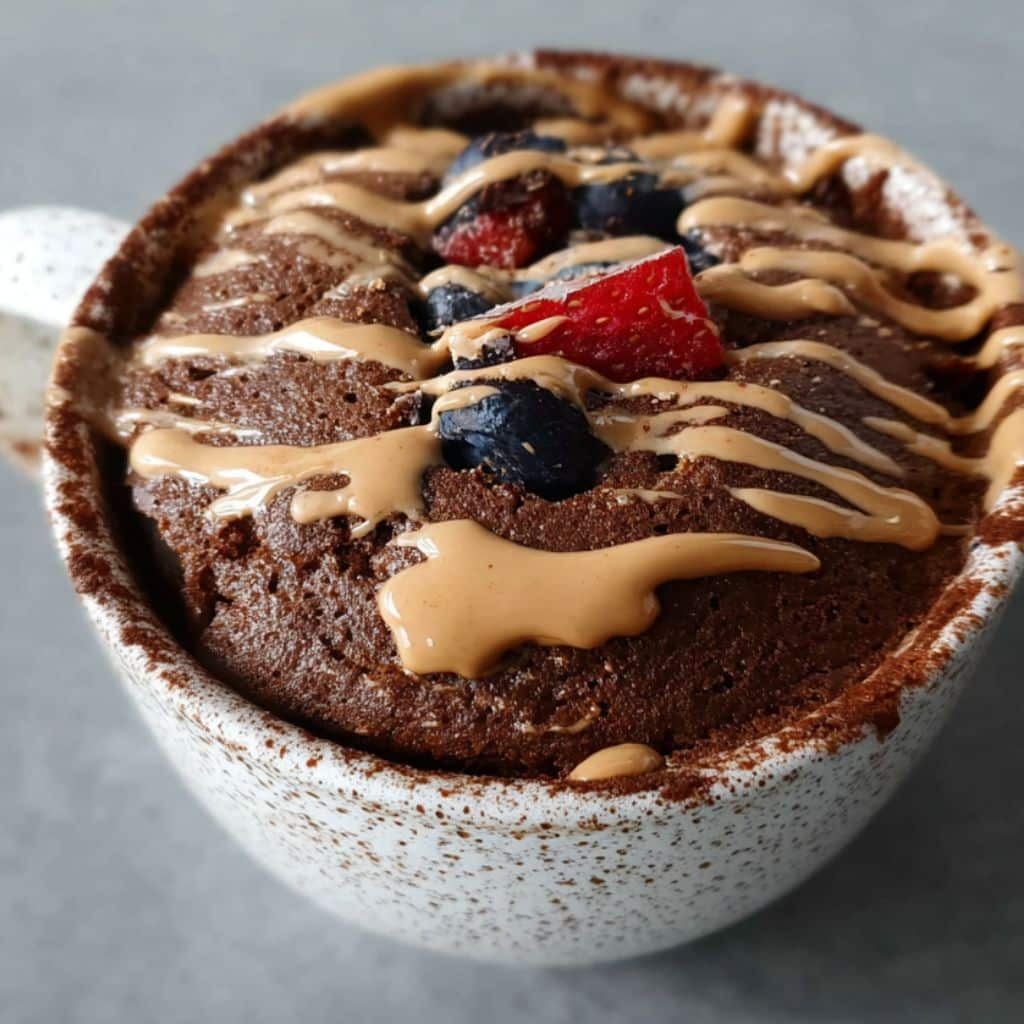
6. Protein mug cakes

This is the fastest nighttime craving fix the gym world has ever seen. One mug, microwaved, and ready in less than a minute. It provides warm, sweet comfort without the calorie explosion. This protein dessert has become a huge ingredient category within the UK as it blends convenience with instant satisfaction.

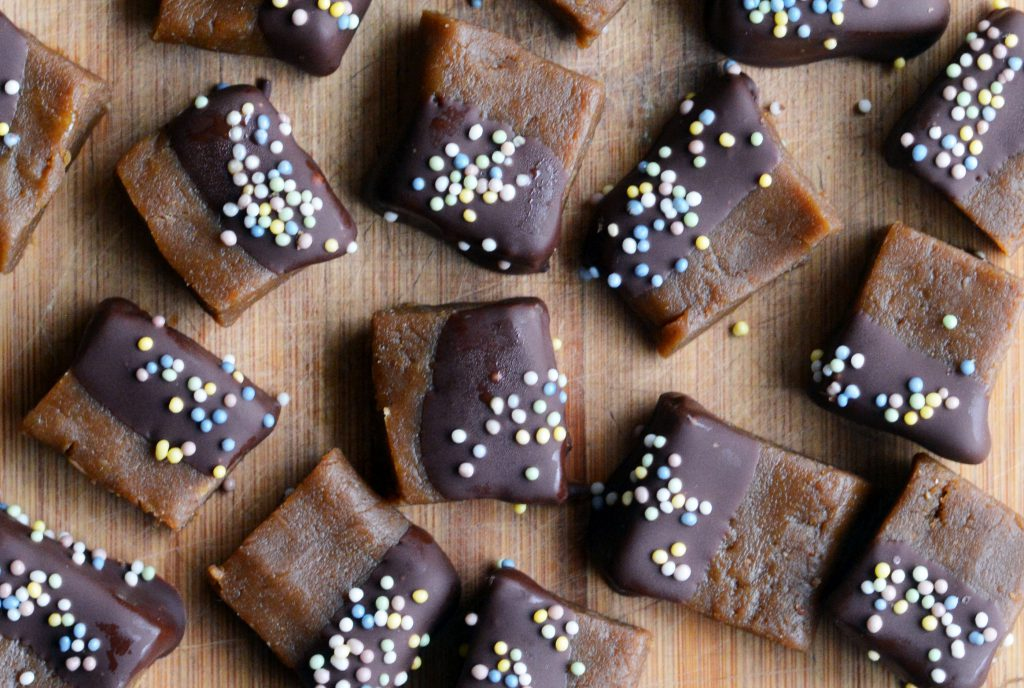
7. Protein chocolate-coated bites

Smaller-sized sweets create the illusion of control, which is why this category works so well. People in the fitness field love portion control that doesn’t feel restrictive. They can eat two or three, satisfy the craving, reduce protein intake, and move on without guilt.

8. Protein mousse cups

Another texture-driven win. Light, airy, whipped style mousse has become an addictive part of flexible dieting in the UK. TikTok creators constantly post high-protein mousse “dessert hacks” that taste luxurious while still fitting perfectly into macros.

9. High-protein baking home hacks

People are recreating dessert recipes at home using protein powder, syrup, zero-sugar chocolate chips, and an almond or oat base. Protein Desserts. The DIY dessert movement is huge within the UK, as people want creativity without the setbacks…the identity of the dessert becomes personalised.

10. Protein pancake dessert stacks

Pancakes are now not just a part of breakfast but also a part of dessert culture. The UK gym TikTok is loaded with protein pancake stacks drenched in sugar-free syrup, berries, marshmallow fluff, whipped cream substitutes, and chocolate-style sauces that still support lifts, cuts, or body recomp season.

Why Protein desserts are going to keep expanding in the UK market

Protein is no longer just a nutritional macro. It’s now an emotional foundation. This gives people a sense of control and stability while feeling socially included around food. Desserts used to be the most dangerous category for people trying to stay consistent. Now it is becoming one of the most supported categories.

Protein desserts have become a cultural permission slip in the UK. You can enjoy something sweet and still stick to your goals. This is the main reason this space will continue to grow until 2025: it fits real human behavior, not unrealistic dietary frameworks that collapse after a few weeks.

UK supermarkets are now expanding the cold protein dessert section. TikTok fitness creators are doing daily recipe breakdowns. People are sharing sweet macro swaps inside gym communities. And it won’t take long for restaurants to adopt it into their menu formats, too.

Protein-based dessert culture doesn’t make people feel penalized for wanting flavor… it rewards them for choosing better structure.

Final thoughts: Protein Desserts UK

Sweets are emotional. Sweet is human. Sweets are memory, comfort, and pleasure. Now it’s smarter, leaner, more performance-oriented, and more modern, too. This space matters because it keeps the gym lifestyle enjoyable rather than restrictive. People don’t quit diets because of protein…they quit diets because of their sweet tooth and emotional impulse cycles. This range solves the problem exactly at the weakest point.

So yes, Protein Desserts UK will continue to grow as it merges two worlds that were always in conflict: enjoyment and performance.

FAQs: Protein Desserts UK

Question: Are Protein Desserts Really Healthy?

Answer: They are healthier than traditional sweets because the protein produces better satiety and reduces blood sugar fluctuations.

Question: Can these sweets fit in the cutting phase?

Answer: Yes, most protein dessert options can be partially controlled to support low-calorie steps.

Question: Do you have to be a gym athlete to eat protein desserts?

Answer: No way. Every day, people are as much a part of shopping hikes as weightlifters are.

Question: What is the easiest category to start with?

Answer: Protein Pudding or Mousse Cup. They require no preparation and taste great instantly.

10 High Protein Convenience Foods UK Shoppers Are Obsessed With Right Now

0

If there has been one change in food across the British supermarket landscape recently, it is the increase in protein as essential to everyday lifestyle. People want energy that lasts. They want snacks that actually keep hunger at bay. They want food and quick meals that support the body instead of draining it. That’s why high-protein convenience foods UK are becoming not only a trend, but also a cultural shift in the way we shop, eat, and choose food during busy daily routines.

The UK is still very convenience-based. People like quick options. But unlike the past, where convenience automatically meant lower nutrition and subsequent high crashes, the new version of convenience is smarter, lighter, more satisfying, and more intentional. This is where the protein wave exploded and never slowed down. TikTok, gym culture, wellness routines, dieting fatigue, and long commutes all drove this change at the same time.

Below are the 10 categories that are leading the high-protein convenience foods movement within the UK and why shoppers are so loyal to them.

1. Protein yoghurts and pudding pots

Curd is no longer just a breakfast food. They have now become an instant cheat for sweet cravings without the added sugar. The Protein Pudding Pot feels like a luxury bite that fits into every type of eating plan. They taste delicious but the macros are balanced. People keep these in work fridges, uni halls, car snack bags and even handbags.

2. Protein snack bars: Convenience Foods UK

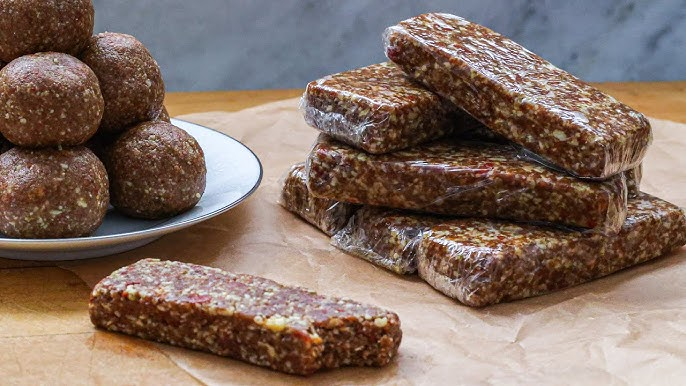
The bar tasted chalky. Now they taste like real chocolate bars without the sugar bombs. They’re compact, simple, pocket-type meal options that give you protein without feeling heavy. This range alone has done a lot to push high protein convenience foods UK forward as one can take it with them and eat anywhere.

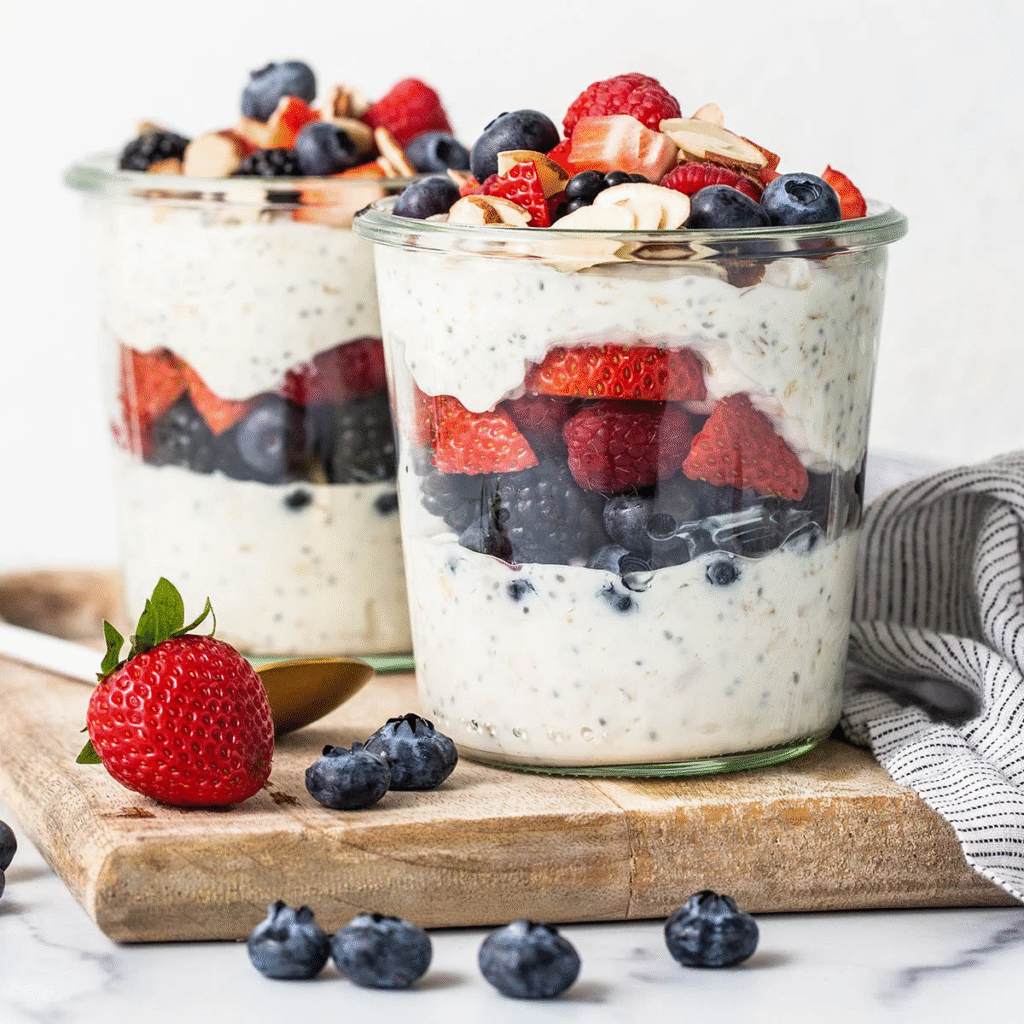
3. Protein oats and breakfast pots

Most people in Britain have chaotic mornings. People are not preparing a full breakfast every day. Quick oats that meet protein goals have become a daily must-have. Oats already have a natural comfort value for cold weather. Protein-rich oats are even better. You can microwave, leave overnight, or stir with milk. This is a food that gives instant success.

4. Protein crisps and chips

British crisp culture is very emotional. Crunches are comfortable. So when Protein Crisps hit the shelves and actually tasted like real crisps, but with meaningful macros, it immediately shaped the trend of high protein convenience foods in the UK in a big way. This one category alone created a whole new identity for smart snacking.

5. Protein-ready meals: Convenience Foods UK

People want convenience that still feels like a real dinner. Prepared food now comes in macro-balanced form. They don’t feel junky or greasy like the microwave meals of the older generation. They support busy schedules without destroying the nutrition ratio. This is a big win for working adults.

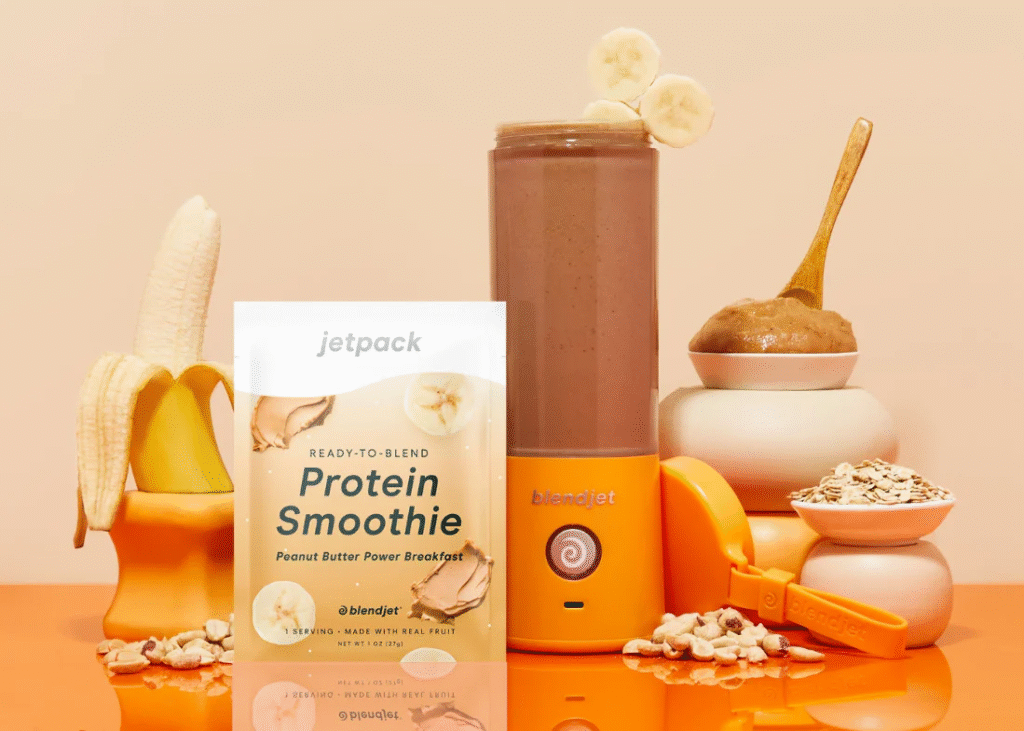
6. Protein smoothie pouches and bottled blends

In the UK, smoothies were mainly fruit sugar. Now they are balanced with protein. This helps in controlling appetite. It also allows people to drink something that tastes delicious and feels good without the crash. Smoothie blends have become a favorite for people who want healthy habits without the stress of cleaning equipment or blenders.

7. Protein ice cream

This might be the best psychological hack in the food world. Sweet treats are fun. But protein-based ice cream helps people fit into healthy eating patterns. It feels emotionally gratifying and still consistent with progress. This segment is a big reason why High Protein Convenience Foods UK is winning in the long run. It allows enjoyment while taking care of health in a way that suits the modern lifestyle.

8. Protein deli pots and chilled snack boxes

These little tubs containing chicken pieces, tuna, falafel, chickpeas, edamame, cheese mix or mini salads have become office heroes. Lunch breaks are less frequent in the UK. Many people stop cooking. Daily Pots solve it fast without the heavy carbs that make people feel sleepy at 2 pm.

9. Protein pasta and noodles

This range provides comfort while supporting nutrition. Pasta nights remain comforting, but now they’re more in line with protein goals. This is a food category that many people didn’t think would succeed, but it did. This works well for family dinners and online meal prep influencers.

10. Protein bakery style items

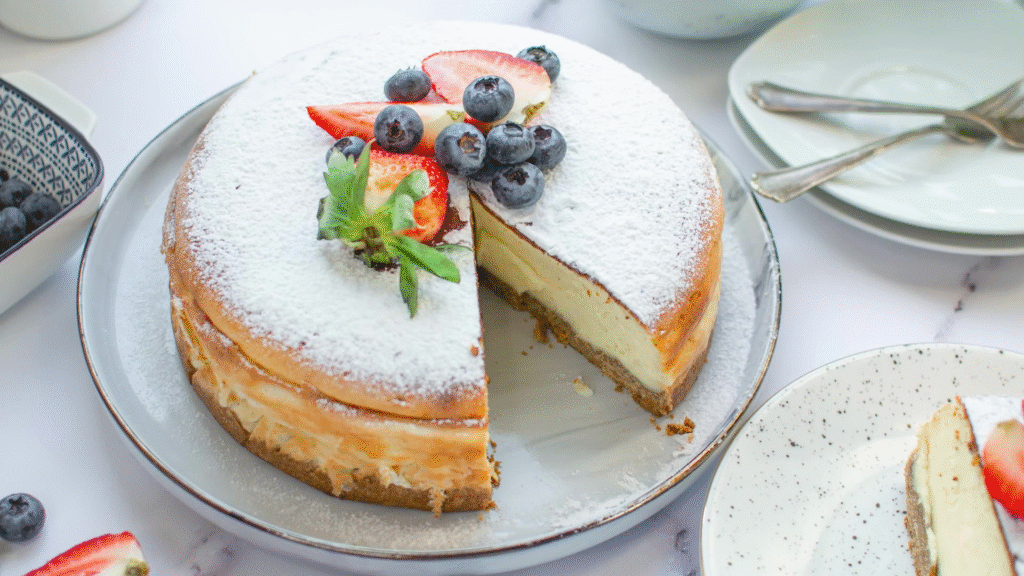
Protein Brownies, Protein Banana Bread, Protein Cookies, and Protein Muffins. It’s the answer to sweet cravings without any guilt. It makes flexible dieting feel enjoyable. It supports both weight management and strength goals.

Why Convenience Foods UK is bigger than a phase

High Protein Convenience Foods UK aren’t just a health trend. It’s a lifestyle standard that’s here to stay because it solves real daily problems. People need stable energy. People need a simple food system. People want a feature that doesn’t destroy progress. Protein is the easiest macronutrient to change habits because it naturally manages hunger without excessive discipline.

Brands in the UK are responding to demand faster than ever. This space will continue to expand rapidly through 2025 and beyond. New categories like protein breads, protein wraps, protein dips and protein snack pastries are still emerging. This is the future of mainstream grocery convenience culture.

How to Choose Easy Protein Options

When you choose a protein snack or drink

  1. look at how many grams of protein you get in a serving.
  2. Check sugar level. 
  3. Try to choose things made from real, simple ingredients. 
  4. Choose flavors you actually enjoy, not ones that seem too strong or artificial. 
  5. The most important thing is to choose something that suits your lifestyle. Not what anyone says on TikTok.
  6. Remember that protein only helps if you can maintain this habit for a long time. Feeling happy and balanced is more important than trying to be perfect.

Final Thoughts: Convenience Foods UK

This change in food culture seems modern, logical, and in line with how the UK actually lives nowadays. High Protein Convenience Foods UK offers simple food options that support progress rather than hurt it. People don’t always have time to cook and prepare meals on Sundays or spend hours doing so. Convenience can be intelligent. Convenience can still support strong health goals. Convenience can now be part of a balanced routine rather than a shortcut that harms results.

This is why the protein wave is not going anywhere. It fits into a busy lifestyle. It seems realistic. It takes away the guilt and replaces it with better options that still feels like a treat. The UK has redefined convenience in food. Proteins are simply the structure that holds that transformation together.

FAQs

Question: Are high protein foods expensive

Answer: Some are priced premium but competition is increasing which is driving down costs every month.

Question: Can these foods help with weight management

Answer: Yes, because protein naturally supports satiety which reduces random snacking impulses.

Q: Are these foods only for gym-focused people?

Answer: No, this new wave is for everyone who wants more stable energy throughout the day.

Question: Are these foods processed

A: There are some. List the balanced ingredients and choose those that align with your goals.

Q: What is the easiest category to start with high protein?

Answer: Protein curd or protein pudding because they are extremely convenient and taste delicious instantly.