Home Blog Page 5

Why Wonky British Teeth Are The Latest Hollywood Beauty Trend

Hollywood once stood for perfection. From glowing skin to the right smile, nothing was left untouched. But things are shifting fast and showing a surprising tendency. Many people are asking how wonky British teeth became Hollywood’s new status symbol.

This is a question contained in culture. Over the years, straight white teeth were non-parasitic. Now, things have changed. Incompleteness is becoming desirable.And no place is celebrity more evident than in a smile.

British stars such as Florence Pugh, Jodi Comer and Benedict Cumberbatch have played a big role. His smile is natural, unique, and strangely attractive. His look has now made its way across the Atlantic. That’s exactly how wonky British teeth became Hollywood’s new status symbol. Slowly, then suddenly.

Veneers Out? The Natural Smile Now Rules Hollywood

The veneer was once a rite to pass in Hollywood. Every young actor has one. The target was to fit and look right. That era is disappearing. More actors are showing their real teeth. A little interval. Uneven lines. Natural color. All are now signs of authenticity.

It’s amazing to consider how Hollywood’s new status symbol came from skewed British teeth.But the answer lies in people’s desire for something real. Something raw. The audience is tired of cookie-cutter beauty. They want faces that they can relate to. Not the completion of plastic.

The British Smile That’s Redefining Beauty Standards

<img src="https://ukblogging.com/wp-content/uploads/2025/07/AD_4nXf87bMMQkKt1j5RktbeoBI_nZIZNctQkoJLtueJYX2Cbwq7GHlEYSE48DYkN7VFmsSEXmB6qILhxvfxnWMjqsTV2JvSKzY2BMJOOgV5oq5G3WqSG45YDm6vEKLpGO0J3QvQbosY.png" alt=""Aimee

People smile anyway. Confidence does not come from straight teeth. It comes from hugging what you have got. That’s key to how wonky British teeth became Hollywood’s new status symbol. American celebrities started paying attention. So, casting directors. He saw the attraction where he once saw flaws. 

Soon, the one who was once mocked was praised. Social media also helped. Fans praised the stars for keeping it real. Today, British Grin is a trendsetter. It is quiet, rebellious, and completely different.

Perfectly Imperfect: The Look Everyone Loves in 2025

We live in a world where filters rule. Everything looks edited. This is why imperfection stands out. Crooked teeth look more honest. A gapped smile seems more human. These symptoms connect with people. They break with noise.

That’s part of how wonky British teeth became Hollywood’s new status symbol. They send a message: “I’m not trying too hard.”This relaxed look fits today’s mood. People are tired of pressure. They want ease, not effort. Celebrities who have flawed teeth are spearheading that transition.

The Viral Power Behind 2025’s Natural Smile Trend

TikTok and Instagram have helped a lot. Users are showing real smiles. They discuss aesthetic pressure, expensive treatment, and dental anxiety. When the stars are involved, the message increases. This is another way in which the victorious British teeth became the new position symbol of Hollywood. It became a movement.

Hashtags such as #naturalsmile and #ImperfectlyPerfect grow rapidly. The video, earlier and after, provoked the debate. People started saying “no thanks” to fake perfection. The authentic smile likes more, more shares, more love.

Red Carpet Royalty Now Flaunt Imperfect Smiles

The red carpets demanded innocence. No more. Now, the stars walk with pride, bizarre grins. This new style adds personality. Each smile tells a story. That’s how wonky British teeth became Hollywood’s new status symbol by standing out, not blending in.

Fashion designers and photographers also support this. They say that the picture of a natural smile is better. They seem more alive, more expressive.Suddenly, the camera loves what was hidden. A tooth that sticks out. A smile that is a bit away. All this adds to the appeal.

Famous Faces Behind the Wonky British Teeth Trend

Many celebrities helped to pursue it. Florence Pugh never fixed his teeth. He did not need his talent, and honesty won the fans. Also, for the pair of courses. His incomplete teeth added to her beauty. Fans saw. So there were stylists and casting agents.

Then other people came- Imma McKay, Olivia Coleman, even some American stars. His smile broke the mold’s how wonky British teeth became Hollywood’s new status symbol through fearless faces.. He inspired others to follow. And now, it is a global form.

Beauty Brands Join the Smile Revolution in 2025

Even brands are joining the trend. Toothpaste companies now have unequal tooth models. Dental advertisements talk about “healthy smile”, not “right smile”.Beauty brands follow the same idea. The real smile occurs everywhere. The campaign feels more real.

This is how wonky British teeth became Hollywood’s new status symbol in advertising, too. They add honesty. They feel fresh. They are seen by the audience. Marketing is finally catching up with culture. And it is working.

How Gen Z Made Crooked Wonky British Teeth Cool

Gen Z loves reality. They do not rely on more edited photos. They do not buy into perfection. That’s a big part of how wonky British teeth became Hollywood’s new status symbol. Gen Z said, “We like reality.” And Hollywood listened.

Young fans are more likely to make mistakes. They love quirks. A slight tooth difference can go viral for all the exact reasons. This generation wants to see themselves in their idols. This means low polish, more personality.

Imperfect Smiles, Perfect Confidence

Smiling with incomplete teeth is now a form of self-love. It says: “I accept me.” It is powerful. And beautiful. That’s also how wonky British teeth became Hollywood’s new status symbol. He became a badge of confidence.

Some stars now deny dental work. They call it a personal choice. A comfortable lie, not ashamed. Self-love today is a trend. And nothing shows that a natural, victorious smile is better.

Is This the End of Perfect Teeth for Good?

Is this just a fleeting moment or a movement? All indications point to another. The world is shifting. Trends may come and go. But values like honesty and confidence are key to life here.

That’s why wonky British teeth became Hollywood’s new status symbol rather than gossip. This is a reflection of changing times. And it can shape beauty standards for the coming years.

The Last Word: Confidence Looks Like This

This is more than the tendency to smile. It is about freedom. People want to laugh without covering their mouths. They first want to smile without fixing themselves.

That’s how wonky British teeth became Hollywood’s new status symbol. By offering a new kind of freedom. Made of the truth. No braces. No veneer. No shame. Just who are you proud of? This is proof that sometimes, quirks are the most beautiful part.
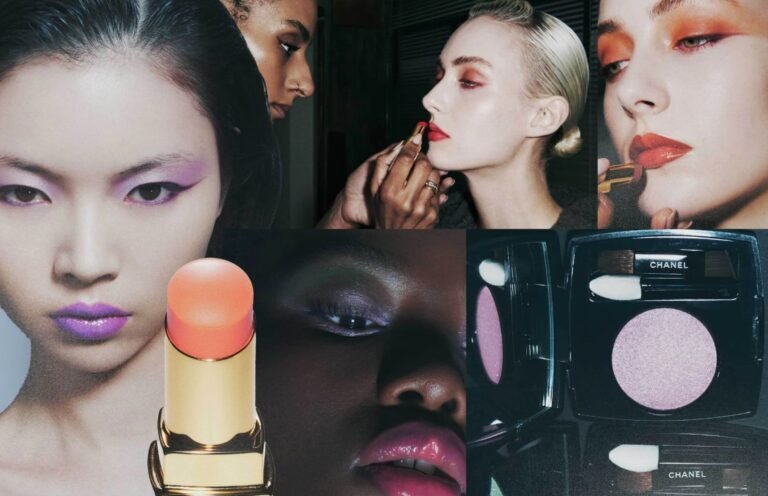
Top 3 Beauty Trends From In-Cosmetics 2025 Revealed In A Stunning Breakthrough

The top 3 beauty trends from in-cosmetics 2025 revealed some extraordinary things. This year’s incident was full of innovation, surprise, and success. From skincare to makeup, everything was upgraded to the future.

Beauty brands are shifting. Consumers are just asking for more than good packaging. They want real results, clean materials, and durable options. And this year, the industry listened more loudly than ever.

Below are the top 3 beauty trends from in-cosmetics 2025 that have appeared with all their brightness and glory. Let’s see what is hot, what is smart, and what is next.

1. Bacteria Is the New Beauty Secret

The top 3 beauty trends from in-cosmetics 2025 revealed that the microbiome is the star of the show. Now no niche, Microbiom Skincare is front and center.

Your skin has its ecosystem. Brands are now making products that support it. This year, there are prebiotics, probiotics, and postbiotics everywhere. They help to balance the skin, fight irritation, and promote a glow.

Many new launches were showcased. These included serum, cleanser, and moisturizer made to protect the skin barrier. Experts say that these formulas mimic the natural condition of the skin.

Another attraction was the rise of Biotech in Skincare. Lab-Gro material cleaner is more targeted. They work well with the natural functions of the skin and give rapid results.

Stability also plays a big role. Microbiome-friendly formulas often avoid harsh chemicals. They are gentle on your skin and also on the planet. Many brands showed refillable packaging and waterless products.

Consumers now understand that healthy skin starts inside. These new formulas are gentle but powerful. They guarantee enduring advantages, rather than just temporary enhancements. 

With the top 3 beauty trends from In-Cosmetics 2025, it is clear that the welfare of the skin is now as important as beauty.

2. The Future of Beauty Is Written in Code

Among the top 3 beauty trends from In-Cosmetics 2025 revealed, the AI-operated beauty stole the spotlight. Technology and Skincare have finally merged in ways we have never seen before.

AI is now used to analyze your skin in real time. Brands launched apps and smart mirrors that scan your face and suggest personal products. It is sharp, easy, and incredibly accurate.

Big companies also introduced AI-based clinical tools. These can track the patterns of hydration levels, oil production, and even skin aging. This helps users to choose only their skin.

Makeup is following the same trend. Custom Foundation shades, lip colors, and even the shadow of the eyes are now on demand using a smart system. These machines immediately add materials for the right match.

AI Boom is not only about technology – it is about the results.Single items decrease waste, enhance performance, and boost customer satisfaction. You only get what you need.

Digital beauty advisors also created waves. Virtual assistants can now give product tips, skincare routines, and component explanations through mobile apps and websites.

A major highlight was the link between AI and stability. Fewer options mean lower returns and reduced overproduction. This is a win for brands and for the planet.

With the top 3 beauty trends from In-Cosmetics 2025, it is clear that beauty takes the future-it is now.

3. Beauty That Loves the Ocean Back

A major part of the top 3 beauty trends from in-cosmetics 2025 revealed a growing love for the sea. Blue beauty is more than a trend – this is a movement.

Consumers are asking for beauty that protects marine life. And the brands are distributed. This year’s show was filled with Reef-Saf Sunscreen, Biodegradable glitters, and waterless cleanser.

The focus was on materials that do not harm. Many companies highlighted algae-based activities and marine collagen alternatives. These are durable, effective, and ocean-safe.

Blue beauty also includes packaging. Brands are switched to recycled plastic, glass, or compost materials. Some also launched packaging-free bars and powders.

Waterless beauty is also booming. Products that do not require water reduce pollution and save precious resources. This is a smart move in the face of water scarcity.

The use of upcycled material is another part of this trend. Companies are now reusing the remaining materials, such as coffee grounds, fruit peels, and marine algae waste. They add value and reduce garbage.

This ocean-friendly wave is not moving away. More consumers want to protect what they love. And with the top 3 beauty trends from In-Cosmetics 2025, we know that the industry is listening. Blue beauty is clean, green, and here to stay.

Hidden Heroes of 2025’s Hottest Beauty Trends

While the top 3 beauty trends from in-cosmetics 2025 revealed the main themes, other exciting changes are also taking place. These support and expand the main ideas.

Minimum beauty: Simplicity is winning. Low materials, low stages, and multitasking products are trending. People want quality, not clutter.

Inclusive Formulations: Many new launches focus on diverse skin tones and types. Brands are making formulas that work for everyone, despite age, gender, or ethnicity.

Biotech Innovation: Lab-Grown Activities, Bio-fermented ingredients, and Smart delivery systems are all trending. They promise cleaner production and better skin compatibility.

Sensary Skincare: Beauty is also what it feels like. Soft textures, natural scents, and mood-lifting materials are important this year. These growing ideas support the main pillars of all welfare, privatization, and stability.

A New Chapter in Beauty Has Begun

With the top 3 beauty trends from In-Cosmetics 2025 revealed, one thing is clear: beauty is changing for good. It is more science-based, more individual, and more planetary.

Consumers want more than quick improvement today. They want real solutions, conscious options, and visual results. And the industry is responding with care, technology, and creativity.

It is not only about products. This is a new way to think about beauty. It is intelligent, kind,and deeply connected to the world around us.

As we move forward, we hope that these trends are even stronger. The brands that embrace this change will flourish. People who cannot find.

Finally, the top 3 beauty trends from in-cosmetics 2025 revealed a powerful truth, and it is more beautiful than ever.

Is AI for Education the Key to Better Learning?

0

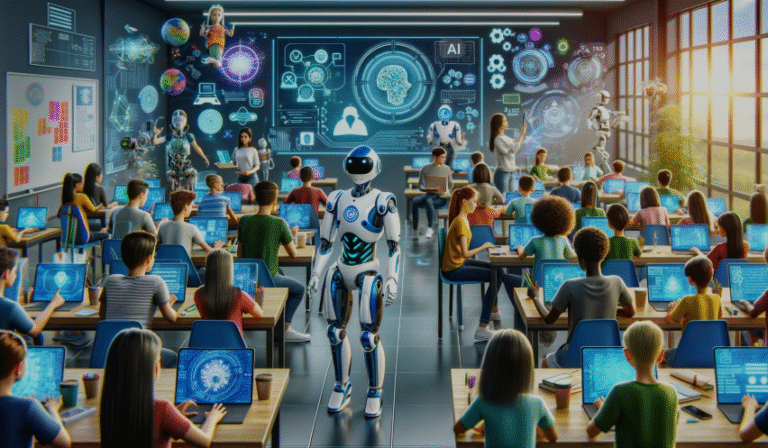
Artificial intelligence is re-shaping our daily life – and now, it is changing education. In schools and colleges, AI tools is making classes smarter, students are more independent, and teachers have been more informed. But with all this change, the question is whether AI for education can unlock learning better?

AI is already active in many learning places. From such apps that solve mathematics problems, which in real time are increasing the use of artificial intelligence among students and schools. But it is important to understand how it works and it is improving education.

Understanding AI For Education

In education, AI refers to machine-based systems that help in teaching, learning and evaluation. These systems can imitate human thinking, make decisions and even predict the needs of the student. They use data to customize the teaching path, monitor performance, and provide immediate feedback.

Instead of a certain way of teaching, AI introduces flexibility. The lesson can change depending on how a student performs. If someone is struggling, AI may slow down and explain more. If someone is ahead, they can offer advanced materials. This is the power of AI for education – it creates a custom experience for each learner.

How Is AI Changing Personalized Learning Forever?

Every student is different, and AI understands that. It tracks how a student interacts with the text and adjusts the material accordingly. For example, if a student requires more help in science, AI can present additional clarifications and questions. If they are strong in reading, they can proceed to new materials.

One of the main advantages of AI in education is this kind of individualized instruction. It removes pressure and helps students learn at their speed. It also creates confidence, because the system gives students what they need – not too much, not too little.

Learning On-the-Go? AI’s Got Your Back

One of the strongest features of AI for education is its availability for students at any time. Students will no longer have to rely on class hours to learn. With AI-operated tools and mobile apps, they can study at home, bus, or during any free time. Learning occurs when they want, not only when teachers are available.

This flexibility is especially helpful for students who need extra support. Instead of waiting until the next class, they can get help right away. AI in education allows learners to stay engaged and active—even outside the school building.

Level Up Learning One Instant Insight at a Time

The response is an important part of learning. AI provides real-time reactions that help students correct their mistakes immediately. This speeds up the learning process and helps prevent confusion. When a student responds incorrectly, AI explains why and gives another chance.

This type of support encourages better results. It also helps students to control their progress. With traditional learning, reaction may take a day – but AI provides it in seconds. It makes a big difference in how quickly the students improve.

Helping Teachers Help Us – With a Little AI Magic

AI for education does not replace teachers it supports and strengthens them in the classroom. Many tasks that used to take hours, such as quizzes or performance tracking, can now be automated by the AI system. This allows teachers to focus on what matters most: to connect with students and guide learning.

Teachers can also use the AI-related report to quickly spot the students struggling. This insight helps shape the lesson and provides better support. With AI in the background, teachers are more effective and less overwhelmed.

Helping Every Brain Learn Its Way

AI equipment is also helpful for students with challenges. Features such as speech-to-text, voice command, and image-based learning help students to struggle with reading or writing. These tools prove how AI for education makes learning more accessible for students with special needs.

For disabled students, AI can be a life-changing. It removes obstacles by offering alternative methods to interact with the material. With the right equipment, each student can participate in the classroom and be successful.

Classrooms Just Got a Tech Glow-Up

Smart classrooms are a core example of how AI for education is reshaping real-time learning environments. They can track attention, identify emotions, and suggest real-time changes in teaching. This helps teachers understand that when students get confused or bored, and work before learning stops.

The appearance may also be automatic. Some systems use facial recognition or voice detection, which can currently track. These features save time and make class management easier. Smart classrooms are not only modern – they are more effective.

AI for Education: Tools Making Learning Easier

Worldwide, AI devices are changing how students learn. In Pakistan, Maksad uses AI to give local language lessons. Students in the US use Carnegie learning for AI-supported mathematics practice. Globally, the Khan Academy and Duolingo adjust the material based on real-time performance.

These platforms reflect how AI for education adapts to the student’s pace, style, and performance. They track every tap, click, and answer the next text to shape. This is why AI is gaining popularity in education. It learns how the student learns – and reacts better each time.

Bye-Bye Boring – Language Learning Just Got Fun

It is difficult to learn a new language. AI for education makes language learning easier and more interactive than traditional methods. Apps such as Elsa analyze accents and provide immediate feedback. They help students speak more naturally and fix their mistakes without delay.

This type of digital support increases the flow much faster than old methods. The more a student practices, the cleverer AI becomes. It forms a loop of learning and development that perfectly fits the learner.

Teaching Smarter, Not Harder – Thanks to AI Data

AI for education provides valuable data to help both teachers and students. By collecting data on performance, study habits, and material engagement, AI can show what is working and what is not. Teachers can use it to update the lesson and fill the learning gaps.

This data-operated approach helps schools make better decisions. If a student falls behind, it also allows for early support. With AI in education, teaching becomes more strategic and targeted.

AI in Class: Brilliant or a Bit Too Much?

Even with all its benefits, AI also brings challenges. Data privacy is one of the biggest issues. AI tools collect a lot of personal information. If it is not preserved, it can be misused. Schools and developers should handle this data responsibly.

Bias and Inequality

The AI systems are only as appropriate as they learn from data. If that data involves bias, the system can misuse students. It can give a low score or a wrong suggestion. Developers should work to train AI on diverse, fair data.

Another anxiety is the use. To ensure AI for education works for all, equal access to devices and internet must be a priority. It creates a digital division. For all educational work for all, we must ensure similar access to technology.

Teachers or Tech? The Classroom Debate Is On

AI is smart, but it lacks emotion. This cannot inspire, motivate, or understand the students’ feelings. Teachers do more than teach – they guide and care. It cannot be replaced by a machine.

The future is not AI vs. teacher. This AI and teachers are working together. Human mind and machine intelligence can create a strong, more personal learning experience.

The Secret Sauce? Using AI the Right Way

AI is powerful, but only when well used. This alone cannot cure a broken system. But it can support good teaching, fill knowledge intervals, and help students learn in new ways. When combined with care and planning, AI becomes a tool for real progress.

We should be thoughtful about how we use AI. It is not a shortcut – it is a partner. If we consider it this way, AI can create permanent educational changes.

A Key, Not the Only One

So, is AI the key to better education? Yes—but not the only key. Learning needs to be more than data. It requires people, creativity, and support. AI can help, but it cannot replace the heart of education.

The future of learning will be made on both technology and humanity. Together, they can make learning more fair, fun, and effective for all.

Want To Sell Online Courses in 2025? These Are the 10 Best Website Builders To Use Now

2025, it will be much easier to convert your knowledge into income. More people are making and selling online courses that they know and earn while doing it. Whether you own a coach, a teacher, or a business, an online course offers a scalable way to generate income and build your brand.

But the great material alone is not enough. You need a professional, user-friendly website to effectively show and sell your course. This is where the right website builder makes all the difference. It helps you to create an easy learning experience and present your brand with confidence.

With so many course platforms available, it can be heavy to choose the right. There is a lack of some important features such as students dashboard, quiz or payment integration. Other beginners are very complex and do not require technical knowledge.

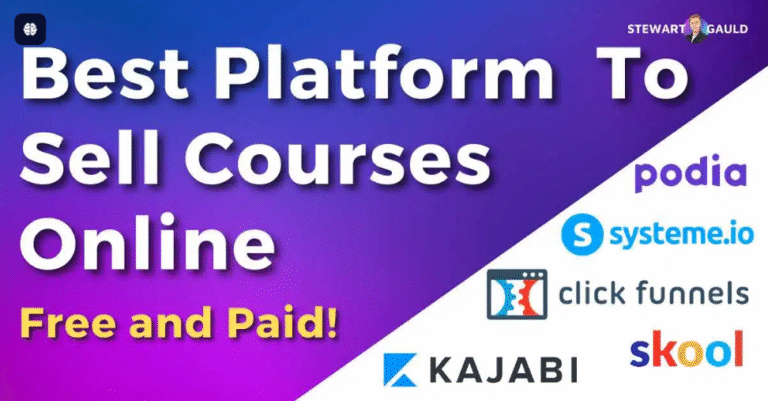
So we have created this guide. Below are 10 best website builders for online courses in 2025. These platforms are trusted by creators worldwide and offer devices you need to succeed.

How to Choose the Best Website Builders for Online Courses in 2025

A specific website builder is not designed to handle the needs of a course manufacturer. Selling online courses requires equipment beyond good design. You need student management, progress tracking, a safe payment system, text module and marketing automation.

All these devices are included in a platform in the best website builders for online courses in 2025. They make it easy for you to provide a great learning experience by focusing on their content, audience, and development.

With so many options, finding the best website builders for online courses in 2025 may feel heavy. That is why we have compared the top options given below – to save time and help make the right decision.

1. Kajabi: The Ultimate All-in-One Course Platform

The Kajabi course provides a complete solution for the creators who want everything in one place. You can host the video, create a custom website, create an email campaign, and set a marketing funnel.

This is ideal for professionals who want a polished online appearance. While Kajabi is more expensive, all its all-in-one features justify the price. This is perfect for the creators who want advanced control and support in increasing the business of their course.

2. Teachable: Fast, Simple, and Reliable

Teachable is known for its user-friendly dashboard and fast setup. You can easily create and sell courses. Features such as quiz, certificate and student analytics help to provide a quality experience.

Although it charges transactions on low plans, it is still a solid option for new course creators. Teachable is one of the most reliable online course platforms today.

Classify gives more control over designs and composition to creators. 

Unlike Tuchable, it does not cut your course sales. You can create a custom course, provide membership, and run a subscription model 3. Thinkific: Design Freedom Without Transaction Fees.

Its free plan is a good starting point. While its marketing tools are basic, it works well with tools like ConvertKit, Mailchimp, and Zapier for email and automation.

4. Podia: Best for Selling Digital Products and Courses

Podia only supports more than one online course in 2025. The same platform allows you to sell webinars, bundles, coaching, and downloads.

It has no transaction fee and includes the underlying email marketing. Podia’s clean interface and ease of use make it a strong option for creators with many digital products.

5. LearnWorlds: Create Engaging Learning Experiences

Learnworlds focuses on student engagement. It supports interactive video, course certificates, and social learning facilities. It is like a digital class that encourages participation.

Although there is a learning state, its equipment is powerful. If you want your online course to offer platform ,quiz and community engagement, then Learnworlds is a great fit.

6. Systeme.io: Free Plan With Full Features

The Systeme.io course provides one of the best free plans for creators. You get course hosting, email marketing, landing page and sales funnel -all without paying all.

Design options are basic, but it is easy to use. For beginners who want to sell courses without a large upfront cost, Systeme.io is a great option.

7. Squarespace: Stylish Websites With Course Options

Squarespace is best known for its beautiful design template. With the “member areas” feature, you can offer special materials including online courses.

Although it does not have complete LMS features, it is a good fit for creatives. If you want a stylish site with simple course distribution, Squarespace works well.

To create an online course in 2025, Squarespace offers a clean and modern presentation that helps your brand stand out. It may not have advanced equipment, but it is perfect for those who prefer design and want to launch quickly.

8. Wix: Getting Better for Course Creators

Wix has improved with its new “Wix Learn” feature. This device allows course construction and student management inside the Wix platform.

It is easy to use a drag-and-drop builder. For the first time, for the creators who want flexibility and fast setup, there is a great place to start, Wicks.

9. WordPress + LearnDash: Total Control and Customization

WordPress with Learndash gives you complete control of your online course website. You can create a completely custom learning experience.

This is very good for those who want flexibility and do not feel like setting up. You can manage everything from quizzes to membership and drip material.

10. Zippy Courses: Quick Launch, Simple Tools

Zippy courses help creators to get their courses rapidly. This video offers major features such as hosting, landing page and student tracking.

Although it is not the most advanced, it is effective. If you want a sharp, simple setup without complex equipment, Zippy is worth considering.

Choosing the Best Website Builder for Online Courses in 2025

Each course platform has its strengths. Your choice should depend on your needs, content types, and budget. Kajabi and Podia are the best for all-in-one solutions. Teachable and Systeme.io are initial-friendly. Themesus and Squarespace offer flexibility and lovely designs.

WordPress with Learndash is the way to go if you need full adaptation. Learnworlds are ideal for engagement. Zippy course is perfect for quick launch.Take time to compare features, pricing and equipment. Ensure that your platform supports your long -term course goals.

By choosing the best website builders for online courses in 2025, you are establishing yourself for success in a competitive digital learning space.

Final Thoughts: Build Your Online Course in 2025 With Confidence

Selling online courses in 2025 is more than ever. You do not need to be a technical specialist. All you need is the right platform. Choose a course website builder that fits your goals and audiences. See for ease of use, student experience, and marketing aid.

With the best website builders for online courses in 2025, you can launch with confidence. Build your brand. Teach what you know. Increase your income. Your audience is ready. Make sure you have a course.

The Secret to Better Communication Between Work Teams Revealed

Better communication between work teams is the heart of success in every workplace. Without it, even the best ideas can fail. When teams do not talk well, things break down. The deadline was missed. The level of stress increases. Conflict increases.

But when teams communicate better, they create confidence, complete tasks rapidly. perform at a higher level. This is why it is more important to talk and listen in the workplace. In this article, we reveal the real secret for better communication between work teams.

It is not just about sending more emails or holding more meetings. It is about correcting communication every single day. Clear communication makes a strong team. Everyone wants to work in a place where they are listened to and understood.

It begins with human-centric habits. The real secret is not a hidden trick or fancy software. It is about going back to the basics: clarity, active hearing, sympathy, reaction, and stability. Every team can improve if it focuses on these simple but powerful principles.

Why Communication Between Work Teams Matters More Than Ever

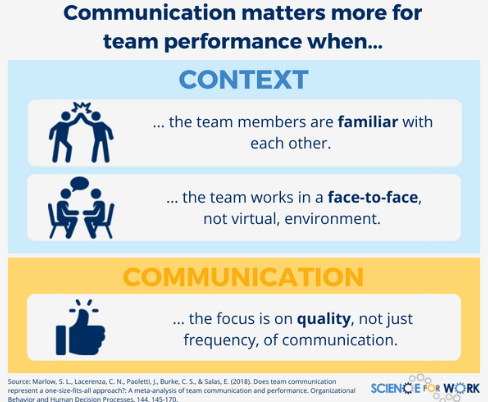
Modern work environment is complex. Teams often include distance employees, freelancers and various departments working in the time sector. If communication is not strong, things separate quickly.

Studies show that poor communication causes delays in projects and stress increases. On the other hand, good communication helps everyone to be focused, reduces mistakes, and boosts morale.

This improves teamwork and leads to better business results. This is the reason that the secret of better communication between work teams should be the top priority for leaders and employees equally. Strong communication also saves time.

When the instructions become clear, it requires re-functioning. When there is open communication regarding anticipations, challenges reduce significantly. Everyone knows what is expected, and everything moves forward rapidly.

The Real Secret to Better Communication Between Work Teams

The true secret is not complicated. It is not about buying expensive software or creating complex systems. The real secret for better communication between work teams is creating a communication culture.

This means choosing clear words, listening more than what you speak, and often reacting. Using the correct equipment correctly. Every team can learn this. It is not about natural talent. It is about daily practice.

When communication becomes a shared habit, everything improves. Let’s look at the major parts of this mystery in more detail. These are small changes, but they have a big impact on how well their team performs.

Clear and Simple Language Always Wins

If your message is not clear, it will not work. Many teams struggle only because people do not understand each other. Long sentences, vague words and technical jargon only create confusion.

Instead, use small sentences. Choose simple words. What do you really mean? For example, instead of “we meet later at 11 am” we will touch base later. ” Reduces clear communication errors.

It also creates faith. When people understand you clearly, they act with confidence. It improves results and saves time. Clear language work is the first and most important step in mystery for better communication between teams.

Listening Is Just as Important as Speaking

Good communication is often viewed as a matter of speaking. But in fact, it is more about listening. Active listening means paying attention to the speaker, not interrupting, and asking to understand the questions.

When people feel that they are listened to, they feel valuable.This fosters trust, and the belief is the basis of collaboration. If everyone in the team listens carefully, there is less misunderstanding. Better decisions are made.

Well, listening is a large part of the mystery for better communication between work teams. This shows respect and helps people feel safe to openly share their thoughts, worries, and ideas.

Set Communication Rules and Stick to Them

Good teams do not give up communication to give a chance. They determine the rules for how they talk. This involves deciding which equipment to use, when to respond, and how to share information or update

For example, use emails for formal updates and use slacks or teams for daily chats. Use zoom or meet for long discussion.Identify expectations for follow-up and behavioral guidelines for the meeting. This small decision matters.

Communication rules bring structure. They align all and reduce chaos. Over time, these habits improve productivity and morale. The structure and routine work are part of the secret of better communication between teams.

Make Feedback for Better Communication Between Work teams

Many teams avoid response because they feel that it will cause conflict. But without response, problems increase. The response should be part of everyday communication. It should feel normal and safe.

While reacting, be clear but kind. Say what is good. Suggest how to improve. It creates faith and development. The exchange of responses increases rapidly and avoids frequent mistakes.

A healthy response culture creates openness. People feel encouraged, not justice. This task is an essential element in mystery for better communication between teams.The higher the response shared, the superior the performance of the team.

Emotional Intelligence Changes Everything

Emotional intelligence, or EQ, means understanding its own feelings and the feelings of others. It helps people to remain calm, listen carefully, and respond with sympathy, even in difficult conversations.

High EQ teams are more respectful and cooperative. They can handle conflict and stress without hurting relationships. They stop before reacting and choose their words carefully.

Managers and leaders should model emotional intelligence. This changes the methods of interaction of teams. EQ helps smooth every conversation, which makes it a powerful tool in mystery for better communication between work teams.

Use Tools the Smart Way

Workable equipment helps to maintain communication.But many machines and equipment can actually be noise.The key is to choose some good equipment and use them continuously. Simplicity works best.

Use tralo, asana, or perception for task management. Use a messaging app such as Slack or Microsoft teams. Use a meeting platform such as zoom or Google meat. Train everyone and keep the tool simple.

The equipment should be supported, not complex, communication. They should help teams stay on track and do better work together. The right tools, wisely used, support the secret for better communication between work teams.

Build a Team Culture That Values Communication

Communication should be a team value, not only one task. This means to talk about how your team communicates. Make it a part of onboarding, training and weekly meetings. Culture turns habits into life ways.

Celebrate clear communication. Members of the praise team who listen well, explain ideas clearly, or give useful reactions. Small moments like these create a communication-centered culture over time.

The culture keeps teams together, even when the work becomes difficult. Culture built on honesty, hearing, and clarity will always support the secret for better communication between work teams.

Final Thoughts: Better Communication Between Work Teams

The secret of better communication between work teams is not a big idea. It is a series of small, daily habits. To be clear. Listen actively. Reactive. Use the tool in a smart way. Practice sympathy.

Conversation is a skill, not a gift. Everyone can improve. Start by reviewing your habits. Fix one thing at a time. A minor change can produce a big result. When teams talk better, they work better. And when they work better, they follow the result. This is the real secret – now appeared.

How to Choose the Best Mac in 2025 – Based on What You Actually Need

0

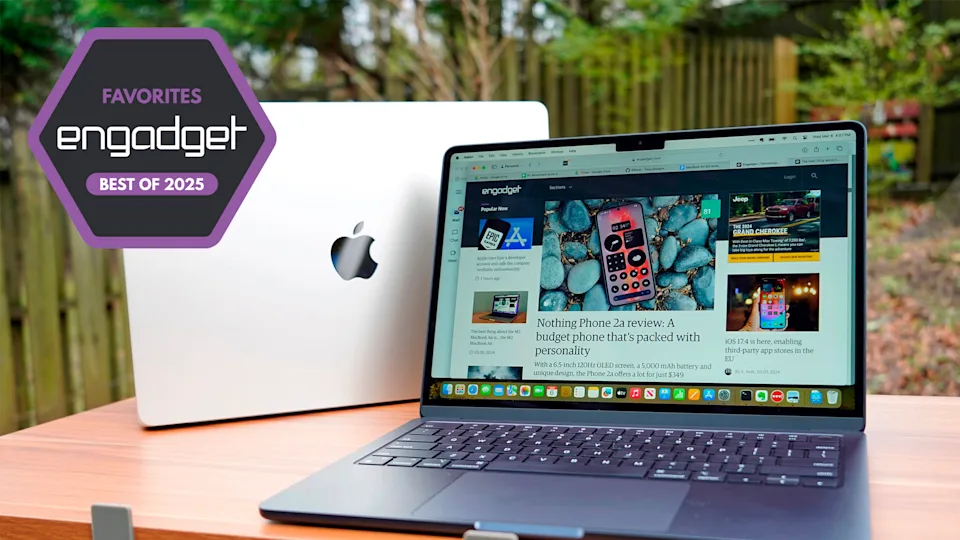
Choosing the best Mac in 2025 does not mean buying the most expensive model. With the powerful M3 chips of Apple. Now providing strength to most of its MAC lineups, performance is no longer a matter of concern for most users.

What matters is that you are matching more than the MAC. You choose from how you really use it – whether you are a student, creative, developer or casual user.

This guide will help you choose the best Mac by focusing on your real needs in 2025 – not marketing not promoting. Whether you are comparing MacBook Air vs MacBook Pro, looking at desktop options, or just want some future-proof, you will get clarity here.

Apple’s 2025 MacBook and Desktop Lineup Explained

Apple’s 2025 MAC lineups include several MacBooks and desktops. which are all manufactured with Apple M3 chip chain. MacBook Air (13-inch and 15-inch) is perfect for everyday users who want a light, sharp laptop with full day battery life. This standard uses an M3 chip, making it efficient and silent.

For professionals and power users, MacBook Pro comes in 14-inch and 16-inch models. These can be configured with M3 Pro or M3 Max Chips for additional performance. They are ideal for demanding works like video editing, 3D rendering and software development.

On the desktop, MAC 24-inch, Mac Mini, Mac Studio, and Mac Pro from casual office work to high-end production studio. Each Mac has its own purpose, and understanding itself will help reduce the choice.

The First Step: Understand Your Day-to-Day Workflow

The right way to choose a best Mac in 2025 is looking at your daily tasks. Ask yourself: Do you mostly write, browse, email, and watch videos? Or do you edit high-resolution media, run development environments, or manage heavy multitasking?

If your daily tasks are light, the base MacBook Air will also serve you well. But if your workflow includes professional software like the final cut Pro, Logic Pro, or Adobe App, you will need something with more power like MacBook Pro M3 Pro or Max.

Do not buy only on the basis of glasses. Think about what you need to do to your Mac – Toddles and in the next few years.

Best Mac in 2025 for Students, Writers, and Casual Users

If you are a student or a person who mainly uses a laptop for writing, research, web browsing, or video calls, then MacBook Air (M3, 13-inch or 15-inch) is the best Mac for you in 2025. It is light, cool, powerful enough for daily use, and has excellent battery life.

For those students who require more screen space or do topical design or coding, 15 -inch MacBook Air provides additional comfort without additional cost. The M3 chip easily handles multitasking, and the fanless design makes it ideal for classes and coffee shops.

If you want to live fast in the next few years. You should make sure to configure it with at least 16GB of RAM and 512GB storage. This is the best MacBook for students who want a reliable, skilled machine that does not break the bank.

Best Mac in 2025: Built for Creators and Power Users

For those professionals who use resource-intensive apps or require more screen real estate, MacBook Pro is still the best Mac in 2025. It is available with M3, M3 Pro or M3 maximum chips depending on your performance needs.

There is a 14 -inch MacBook Pro Portability and a major balance of power. The 16-inch version offers a large performance and better battery for editing, music production or development work.

You also get more ports – HDMI, SD card, and Thunderbolt 4 – that make it more flexible for creative workflows. If you are deciding between MacBook Air vs. MacBook Pro, the option comes down whether you need additional power and pro-level features.

Best Mac for Creative Professionals and Developers

If you are in photo editing, video production, audio work, or coding, you want a machine that is not slow. The best Mac in 2025 for creative process is either MacBook Pro with M3 Max or Mac Studio.

Mac Studio is a desktop powerhouse that offers better thermal performance and higher specs, similarly at a lower price than MacBook. This is the top option for professionals who do not require portability.

For developers, either MacBook Pro M3 Pro or Mac Studio gives you the RAM, CPU and GPU headroom required to compile the code, run local servers, or work with containers and AI tools.

Do You Really Need a Desktop Mac in 2025?

Laptops are more popular than ever, but desktop Mac still has a place. If you mostly work from a place, a desktop Mac offers a better price for your money. You get more performance, better thermal and often low price.

The IMAC 24-inch (M3) is great for families, teachers or office staff who want a simple all-in-one machine with a stunning screen. Mac is a mini compact and inexpensive, especially when combined with a good external display.

For creative professionals, M3 provides unmatched power for video editing, 3D work and AI tasks with M3 Ultra. It is the best desktop Mac in 2025 for those who require raw performance in compact form.

What About the Mac Pro? Who Is It For in 2025?

Mac Pro (M3 Ultra) is the most powerful and adaptable computer of Apple – but 99% of users do not need it. The film is designed for industries like production, 3D animation and scientific computing, which require PCI expansion or large -scale workflow.

As long as you do not require an internal upgradability or expansion slot, the Mac Studio gives you the same performance at a fraction of the price. For most users, especially freelancers or remote professionals, Mac Pro Overall.

RAM and Storage: How Much Do You Actually Need?

Apple does not allow you to upgrade RAM or storage after purchasing, so it is important to get the right configuration. The best MacBook RAM in 2025 for most users is 16GB. It allows smooth multitasking and keeps things responsible in the long run.

If you are working with heavy video editing, development, or large media libraries, go for 32GB or 64GB RAM. Storage-wise, 512 GB is a safe minimum, while 1TB or more is ideal for those creators who regularly deal with large files.

Ports, Monitors, and Compatibility Considerations

Choosing the best Mac in 2025 means thinking about your field. MacBook Air only supports external performance and has only two USB-C ports. MacBook Pro, Mac Studio and Mac Mini provide more flexibility.

Need many monitors? Choose M3 Pro or Max Chips, which support two or more displays. Also check your belongings-If you use SD card, HDMI, or USB-A, a Pro model with additional port will make your life easier.

AI and Apple Silicon in 2025: What You Should Know

With Mac Sequoia and M3 chip lineups, MACS in 2025 now includes impressive AI features – all locally are locally, without sending data to the cloud. These include AI writing aid, transcription, smart photo editing and intelligent discovery.

Apple’s nerve engine makes these on-device AI tools powerful, which makes them sharp and private. Developers can train and drive local machine learning models on M3 Pro and Max Chips.

Final Recommendation: Choose the Best Mac Based on You

So, which MAC should you buy in 2025? Answer depends on what you really need, not the best on paper

  • Best Mac for students and writers: MacBook Air M3 (13 “or 15”)
  • Best Mac for professionals and creators: MacBook Pro M3 Pro / Max
  • Best Mac for Home or Office Users: IMAC 24-inch or Mac Mini
  • Best Mac for Extreme Workload: Mac Studio with M3 Ultra

Avoid overseas on the characteristics that you do not use. Pay attention to what matters: performance, portability, display and longevity. If you choose based on your purpose, you will finish with the best Mac for your lifestyle – and it will serve you well for the coming years.

Top 10 Wearable Tech Trends in 2025 to Watch Closely

0

Wearable tech is changing much faster than ever. And 2025? This is already a big year. From smart glasses to AI-operated fitness bands. We are seeing only a change from tracking steps to actually increase our lives. 

If you are curious about where things are, then there are top 10 wearable technology trends in 2025 to look closely.

Smarter Health and Wellness

1.AI-Powered Health Monitoring

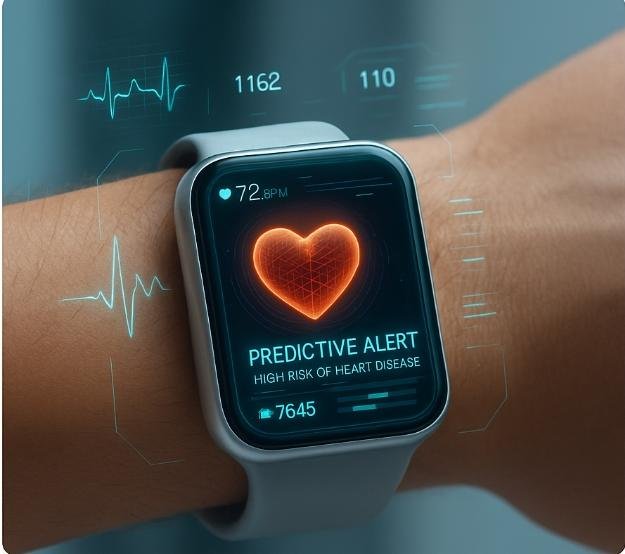
Wearables are becoming smarter. In 2025, they did not just track your heart rate. They will predict health issues before they also occur. Imagine a smartwatch that you already warn about a possible heart issue. 

This is no longer science fiction. This is now happening, AI is bringing revolution in healthcare in wearable equipment. More than 70% of the new wearables launched in 2025 now have AI features for predicting health analysis.

2.Smart Glasses Are Back

This time, they are really useful. In 2025, smart glass trends are making a comeback. You will find video calls from direction, compliance and even your lens. They will mix so basically in your life.

You can forget that you are wearing techniques. In 2025, sales of smart glasses increased by 118%, with more than 60%of users who rely on them for navigation, video calling and translation.

3.Mental Health Takes Center Stage

Wearables are not only for physical health. In 2025, more devices are being designed to help anxiety, attention and emotional balance. Think about wearing a mental health-like mood-sensing headband or restband;

It helps you to breathe when stress hits. Mental welfare gets the spotlight he deserves.Mood-sensing wearables are shown to reduce 25% anxiety when added with the resting features directed.

4.Smarter Fitness Tracking

Gone a size-fit-all are the days of fitness plans. In 2025, fitness wearables understand their unique body. They are favorable in real time. 

Whether you are training or just trying to be active, your technology will coach you through it – just like a personal trainer in your pocket.

AI-based fitness trackers now personalize workouts based on real-time data, leading to 35% high workout substance among users. 

5.Clothing That Knows You

Innovations of smart clothes are finally out of the lab. The shirts that understand the posture. Socks that track how you walk. Even jackets know when you are overheating. In 2025, clothes are more than fashion. It is functional

Smart Textile Market is anticipated to reach $ 7.5 billion by 2026, which is accompanied by integrated wear in shirts, jackets and even shoes. (Grand View Research)

6.Better Sleep, Finally

We all know that sleep is important. But now, sleep-tracking wearables can help you improve it. Not only track it. In 2025, your ring or band can help adjust your bedroom lights and temperatures so that you sleep fast. 

You are feeling more refreshed – and perhaps dependent on caffeine Wearable sleeping technology now controls light and temperature in 1 of 5 smart homes, which helps users to sleep on average 20% faster.

7.Focus and Productivity Tools

It is difficult to work with so many people, focus. This is where in 2025, wearables will become more common for productivity. Headband that helps you focus. When you are burning outside, the tracking badges.

Small tools that help you more, without burnout.Productivity Wearables have led to 22% increase in the focus time among distant workers using a neurofeedback headband. 

8.Eco-Friendly Wearables

This year, people care more about what their equipment is. Expect more durable wearable techniques, and materials that do not harm the environment. Your smartwatch can also alert you for air pollution nearby. 

This is a good technique for you and Earth. approximately 48% consumers now prefer to wear with durable materials. Brands such as gamin and fitbit have introduced  carbon-neutral lines.

9.Self-Charging Devices

Battery life used to be a deal-breaker. No more. In 2025, we are looking at more self-charged techniques. From solar charging to using their body movement, wearables are learning to live without chargers. And we love it.

Smartwatches saw a 35% increase in adoption in 2025 using kinetic or solar charging. Some can now charge 80% with 3 hours of sunlight.

10.Identity and Security

Password? forget them. In 2025, biometric wearables can be the key to your everything. With voice, fingerprint, or facial identification, these devices can unlock doors, pay for your coffee, and keep your data safe. Safe, simple, and always with you. 

In 2025, more than 35%of wearable users rely on biometric security such as voice, fingerprint or facial IDs to unlock devices and digital payments.

Why Wearable Tech Matters

The trends of the top 10 wearable technology in 2025 are not only about gadgets – they are about to change how we live. Think about better health, deep sleep, fast focus and being smart.

 These wearable trends are no longer limited to stylish goods or latest innovations – they represent a deep innings of how we live, connect, and take care of ourselves.In 2025.

Wearables are developing from simple fitness trackers to intelligent peers who support us in becoming healthy, more productive and more desired human beings.

The Age of Smart Prevention

We are entering an era where prevention is more important than treatment  and wearable technology is leading this revolution. Today’s wearables detect early signs of irregularities such as disease, fatigue, stress or abnormal heart rates.

 It empowers users to make active and informed decisions, long before the issues become severe.Whether it is predicting a potential heart condition, sending alerts when the posture is closed, or reminds users to breathe during anxiety-these devices help users to be safe, focused and mentally balanced.

Beyond Health: A Lifestyle Upgrade

Wearables are now just beyond health-they are playing an important role in increasing productivity, mental welfare and daily routine. In an era where burnouts and digital overloads are broader.

 Wearables help distant workers to manage time, help students to be focused, and offer calm intervention for stress.In addition, stability is becoming a main part of wearable development. 

With rising environmental concerns, companies are using environmentally friendly materials and designing energy-efficient devices-while connecting the users while connecting their carbon footprints.

A Human-Centric Future

In short, wearables are no longer about technology – they are about human development and empowerment. They represent a future where technology is basically integrated into our lives – not as a distraction, but how we live, work, and thrive, as a natural expansion of it.

The Future Is Personal

In 2025, the next-round wearables are becoming more individual, more powerful and more helpful. If you are building a product, working in tech, or simply loves cool gadgets, it is your year to find out. The future is not coming. It is already here.

Final Thoughts

In 2025, wearable technology is developing rapidly. From AI-Interested Health Monitor to Smart Glass and Mood-Tracing Band, these devices are becoming smarter, more personal and part of our daily life. This article examines the top 10 wearable technology trends in 2025-from swollen equipment to environmentally friendly content-designed to improve all how we live, work, and remain healthy. If you are eager about gadgets, welfare, or the future, these are closely looking trends.

Twitter vs Instagram for Business: Which Platform Drives Better Results?

In today’s fast-paced digital world, businesses should be strategic about where they spend their marketing energy. Twitter vs Instagram for Business Markets and entrepreneurs are a continuous debate. They wants maximum returns on their efforts. Both platforms provide powerful ways to connect with the audience, but which actually gives better results for your brand?

In this broad guide, we will compare Twitter and Instagram between important marketing factors- engagement, access, demographics, facilities, and more, so you choose the right platform for your business goals.

Twitter vs Instagram for Business: Understanding the Platforms

What is Twitter

Twitter is a text-centered platform designed for real-time interaction. News sharing and public discussions. This allows users to post a small message called limited tweets to 280 characters. It encourages quick and brief communication. Twitter is used widely to share updates.

opinions and links by journalists, businesses, celebrities and professionals. It is especially useful for brands watching live events. customer support, or to engage in trending subjects via hashtags. The rapid speed of Twitter makes it ideal to live in the present, but tweets have a small life until they go viral.

What is Instagram?

On the other hand, Instagram is a blind-driven platform built around photos, videos and stories. It provides features such as reel. IGTV and shopping integration that allow businesses to display their products and connect with users in creative, attractive ways.

Instagram thrives on aesthetics and is popular among young audiences. especially Millennials and Gen Z. Brands. They use Instagram to create their visual identity, make partners with influential people and run target advertising campaigns.

Compared to Twitter, Instagram provides high engagement rates and is more effective for lifestyle, fashion, food, beauty and retail marketing.

Twitter vs Instagram for Business: Audience Demographics

Who Uses Twitter?

  • Age Group: is mainly 25-49 years old
  • Gender: A little more male user
  • Interests: News, politics, sports, tech, real-time conversations

The user base of Twitter is highly busy with real -time events. If your business flourishes on trends, live updates, or B2B engagement, Twitter is a solid condition.

Who Uses Instagram?

  • Age Group: Mainly 18-34 years old
  • Gender: A little more female user
  • Interest: fashion, beauty, travel, lifestyle, food, health and entertainment

Instagram is a hotspot for Millennial and Gen Z consumers. If your business has a strong visual appeal or sells consumer products, Instagram gives you direct access to an image-lover audience.

Twitter vs Instagram for Business: Engagement Rates

The engagement is important when we talk about Twitter vs. Instagram for business.

Instagram Engagement

Instagram performs better than Twitter in terms of continuous engagement. According to Hootsuite, the average engagement rate on Instagram is 0.6%-6%, depending on the contact type.

  • Instagram stories and reels run high interactions.
  • Users are more likely to like, share, comment, or save materials.
  • Visual storytelling echoes deeply, especially in lifestyle.

Twitter Engagement

  • The best for conversations, mention, hashtags and viral moments.
  • Useful for brand awareness and real -time community building.
  • The tweets disappear quickly until the boost or retweet.

Winner for engagement: Instagram

Twitter vs Instagram for Business: Content Types and Strategy

Instagram Content Strategy

Instagram is built for visual storytelling:

  • Photos: Show your products, back and forth, team culture
  • Video: Reel, Product Demo, Share Tutorial
  • Stories: Limited time proposals, elections, questions and answers

The algorithm rewards consistency and creativity. High-quality visuals are crucial.

Twitter Content Strategy

Twitter works best with short, snappy content:

  • Tweets: announcements, promotions, elections, links
  • Threads: Interpretants, Stories, Ideas Leadership
  • Hashtag: Trend Jacking, Visibility
  • Answer: Customer aid, community internet

You can tweet multiple times per day, keeping your brand top-of-mind.

Winner for storytelling and visuals: Instagram
Winner for speed and news-sharing: Twitter

Twitter vs Instagram for Business: Advertising Features

Instagram Ads

Instagram is part of the Meta Ads ecosystem, allowing highly targeted advertising using:

  • Listener division
  • Reinstatement
  • Shopping advertisement
  • Impressive participation
  • Story/Reel Placement

Visual appeal drives higher CTRs. E-commerce brands thrive on Instagram Ads.

Twitter Ads

  • Twitter Ads support:
  • Listener division
  • Restoration
  • Shopping advertisement
  • Impressive participation
  • Story/Reel Placement

The low view is targeted by followers of Twitter keywords, interests and contestants.

Winner for ROI and targeting: Instagram
Winner for niche audience targeting: Twitter

Twitter vs Instagram for Business: Tools and Features

Instagram Features for Business

  • Instagram Shops – Sell the product directly
  • Insight – track engagement and access
  • Reel/Stories – Increase Finding
  • Collabs-Co-construction with influential people
  • DMS-one-per-one customer conversation

Instagram is ideal for building immersive brand experiences.

Twitter Features for Business

  • Twitter Blue (Premium) – Additional Visibility
  • Space (Audio Room) – Host Live Discussion
  • Analytics – get engaged and understand the audience
  • Hashtag tracking – monitor conversation
  • TweetDeck – Manage schedule and tweets

Twitter is best for communication, not commerce.

Winner for business features: Instagram

Twitter vs Instagram for Business: Customer Interaction

Customer Support on Twitter

Twitter is often used by brands as a customer service channel. People tweet in brands, which rapidly expect answers, especially in industries such as airlines, tech or finance.

  • Example: “@YourBrand I need help with my order!”

This makes Twitter highly useful for real-time support and brand responsiveness.

Brand Engagement on Instagram

Instagram lifestyle is better for branding and indirect interaction for comments, DMS, polls and stickers.

  • Users attach through stories, detect the page, and tag the affected.
  • Immediate customers are not ideal for assistance.

Winner for support and communication: Twitter
Winner for branding and discovery: Instagram

 Twitter vs Instagram for Business: Influencer Marketing

Instagram Dominates Influencer Marketing

  • 75%+ impressive campaigns are conducted on Instagram.
  • Product placement, fashion, travel, ideal for food.
  • Reel and stories provide indigenous advertising integration.

Twitter’s Influencer Role

  • There are more niche or industry-specifics affecting Twitter.
  • Tech, finance, crypto, common in politics and journalism.
  • The engagement is text-centered instead of view.

Winner for influencer ROI: Instagram
Winner for expert influence: Twitter

Analytics and Business Insights

Both platforms provide native insight, but the business equipment of Instagram is more strong.

  • Instagram’s meta business suit provides posts insights, demographics, conversion data and advertising reports.
  • Twitter analytics focus more on tweet performance, follower growth and engagement rates

For detailed marketing decisions, Instagram wins again.

Twitter vs Instagram for Business: Brand Identity

If your business thrives on aesthetics, emotion and lifestyle, then Instagram is your home. If your business is thought-understanding, time-sensitive, or community-centered-the Twitter finds the way.

So, What Should Your Business Choose?

  • If you are in B2C, fashion, lifestyle, e-commerce or individual branding, choose Instagram. Its visual appeal and high engagement make it unbeatable.
  • If you are in B2B, tech, media or service industries, choose Twitter. Its real-time ability and interaction-First nature makes it powerful for ideas and support.

Ultimately, the best platform can be both – Instagram Lavering for Brand Building and Twitter for interaction and support can be a winning combo.

Final Tip:

Just do not follow the trends. Align your social media strategy with your business goals, audience behavior and strength of content.

How to Repair Your Brand’s Online Reputation: 10 Proven Tips for 2025

Repair your brand’s online reputation-because in today’s hyper-connected world. your digital appearance means everything. Just a negative review or online misses can severely damage your credibility. Whether you are working with a bad press, harsh response, or social media backlash, even minor events can shake public belief in your brand.

Angry customers, or social media impure PAS, it is important to fix your brand online reputation as soon as possible and effectively.

In this wide guide, you will search for 10 actionable tips to repair your brand’s online reputation and withdraw your story control. Whether you are the owner, entrepreneur, or marketing professional of a business, these steps can help you rebuild trust, improve visibility and promote long -term loyalty.

Why Is It Important to Repair Your Brand’s Online Reputation?

Before diving into tips, it is important to understand why your online reputation matters. Today, a brand Google before consumer shopping. Negative search results, poor reviews, or old information can immediately remove potential customers.

Repair your brand’s online reputation is not only about damage control – it is about restoring the trust, improving the discovery visibility and strengthening the brand identity in the digital landscape.

1. Assess the Damage to Repair Your Brand’s Online Reputation

The first step in any effective strategy to fix your brand online reputation is understanding the limit of loss. Is this some negative reviews? A viral social media event? A Google result is pulling old controversies?

What to Do to Repair Your Brand’s Online Reputation?

  • Google uses its brand name regularly.
  • Use tools like Google Alerts, Brand24, or mention the track.
  • Analyze the emotion – are mentioned mostly negative, neutral or positive?

Understanding where you stand will guide the rest of your actions.

2. Claim and Optimize All Brand Assets Across Platforms

Whatever you can’t do, you cannot fix it. A strong step to fix your brand’s online reputation is to control your digital real estate. This means claiming your brand on the platform:

  • Google business profile
  • Facebook, Twitter/X, Instagram, LinkedIn, YouTube
  • Yelp, Trustpilot, Glassdor and other review sites

Optimize Your Profiles for Repair Your Brand’s Online Reputation

  • Use frequent branding (logo, bios, color).
  • Keep the contact information update updated.
  • Add high quality photos and relevant links.

This discovery engine helps to connect its brand with authentic, reliable profiles, pushing down negative materials further.

3. Respond to Negative Reviews (But the Right Way)

Your brand is one of the most direct ways to fix online reputation that is beautifying the review. Ignoring bad responses or only spoils things and makes things worse.

Tips for Review Response:

  • Be professional, calm and sympathetic.
  • Accept the problem and apologize if necessary.
  • Offer the conversation offline (email or phone).
  • Publicly follow once the resolve is resolved.

Pro tip:A well -operated complaint can turn an angry customer into a loyal lawyer.

4.Leave Positive Reviews to Repair Your Brand’s Online Reputation

If bad reviews are pulling you down, flood them with positive people. One of the most effective ways to fix your brand online reputation is a review generation.

How to Get More Reviews:

  • After purchasing for feedback, send follow-up emails.
  • Offer a small incentive (discount, loyal points).
  • Make it easy – provide direct links to review the platforms
  • Ask on social media or in newsletters.

Make sure not to buy fake reviews – both platforms and authenticity cases for their audience.

5. Create High-Quality, Optimized Content to Push Down Negativity

The search engine is the major player in online reputation. If the first page of Google is old or full of negative stories, the material can push them down.

Start With:

  • Blog post around your industry
  • Idea
  • Case study, admiremen
  • Guest post on official sites

Customize each piece with your brand name and relevant keywords so that Google recognizes them as a high-ranking material. Over time, it helps repair your brand online reputation by changing the negative link with positive, supporting materials.

6. Leverage Social Media to Control Your Narrative

Social media often occurs where problems of reputation begin – but also that you can control severe damage. Use it to fix your brand online reputation by staying active, transparent and engaged.

Social Media Tips:

  • Post consistently with value-driven content.
  • Address complaints openly and quickly.
  • Celebrate wins, showcase culture, and share behind-the-scenes content.
  • Use social listening tools to monitor brand mentions

Being present and engaged helps to gain public belief and prevents wrong information from taking root.

7. Use SEO to Repair Your Brand’s Online Reputation Long-Term

The reputation management and SEOs run by hand. To repair your brand’s online reputation, you have to make sure that positive materials rank higher than any harmful ones.

SEO Techniques to Use:

  • Create backlinks for your positive material.
  • Adapt your website for your brand name and related keywords.
  • Make Google Business Post Weekly.
  • Use Schema Markup for reviews and FAQ.

The goal is what people see when they search for you – and SEO is the best tool for him.

8. Address and Remove Harmful Content Where Possible

Sometimes, negative ingredients that damage your brand can be removed or de-index-but you have to know where to see.

Try These Approaches:

  • Contact the webmaster politely and request to remove the material.
  • File DMCA if the material is stolen or violates copyright.
  • Use Google’s removal tool for chronic or sensitive personal information.
  • Fage or spam reviews on platforms like Google, Yelp or Facebook.

While not everything can be removed, you will be surprised how much you can clean up with some perseverance.

9. Rebuild Public Trust Through Transparency and Action

One of the deeper ways to fix its brand online reputation is through authentic changes. If your brand has made a mistake, take visible steps to fix it on its own – and it.

How to Rebuild Trust:

  • Publish a public apology or statement.
  • Apply changes and show progress.
  • Share the stories of customer trends and success.
  • To share your journey, paint media stories or podcasts.

People forgive brands that are honest, human and active. There is a loss in the occasion of transparency.

10. Work With Online Reputation Management (ORM) Experts

If the damage is severe, or you do not have time to manage it yourself, hiring professionals may be a game-changer. ORM agencies specialize in strategies that repair your brand online reputation through materials, SEO, pr and digital crisis management.

What to Look for in an ORM Partner:

  • Track record with real case studies
  • Ethical practice (no black-hat SEO or fake review)
  • Transparent pricing
  • A customized, multi-platform strategy

Investment often pays for restored reliability, better traffic and more leads.

Bonus Tip: Be Proactive, Not Just Reactive

It is risky to wait for a crisis before thinking about your reputation. Make it a part of your ongoing digital strategy:

  • Monthly monitor your reputation
  • Cultivate a strong, positive brand identity
  • Create relationship with customers and media
  • Invest in individual branding for founders and officials

An active approach not only helps you repair your brand online reputation, but also makes your brand more flexible for future challenges.

Finally how to Repair Your Brand’s Online Reputation

The repair of reputation is not about showing up the bad goods .it’s about showing the world what you stand for today. With the correct mixture of strategy, material, communication and stability, you can repair your brand online reputation and become even stronger on the other side.

Remember, your brand is what people say about you when you are not in the room. Make sure the interaction is good.

Key Takeaways:

  • Monitor and understand your online footprint regularly.
  • Customize all brand channels and profiles yourself.
  • Use materials, SEOs and customer engagement to pursue positive narratives.
  • Review and address of disputes with authenticity.
  • Consider specialist assistance if needed.

By applying these 10 tips to repair your brand online reputation, you not only fix previous issues, but also make a basis for long -term brand success and trust.