
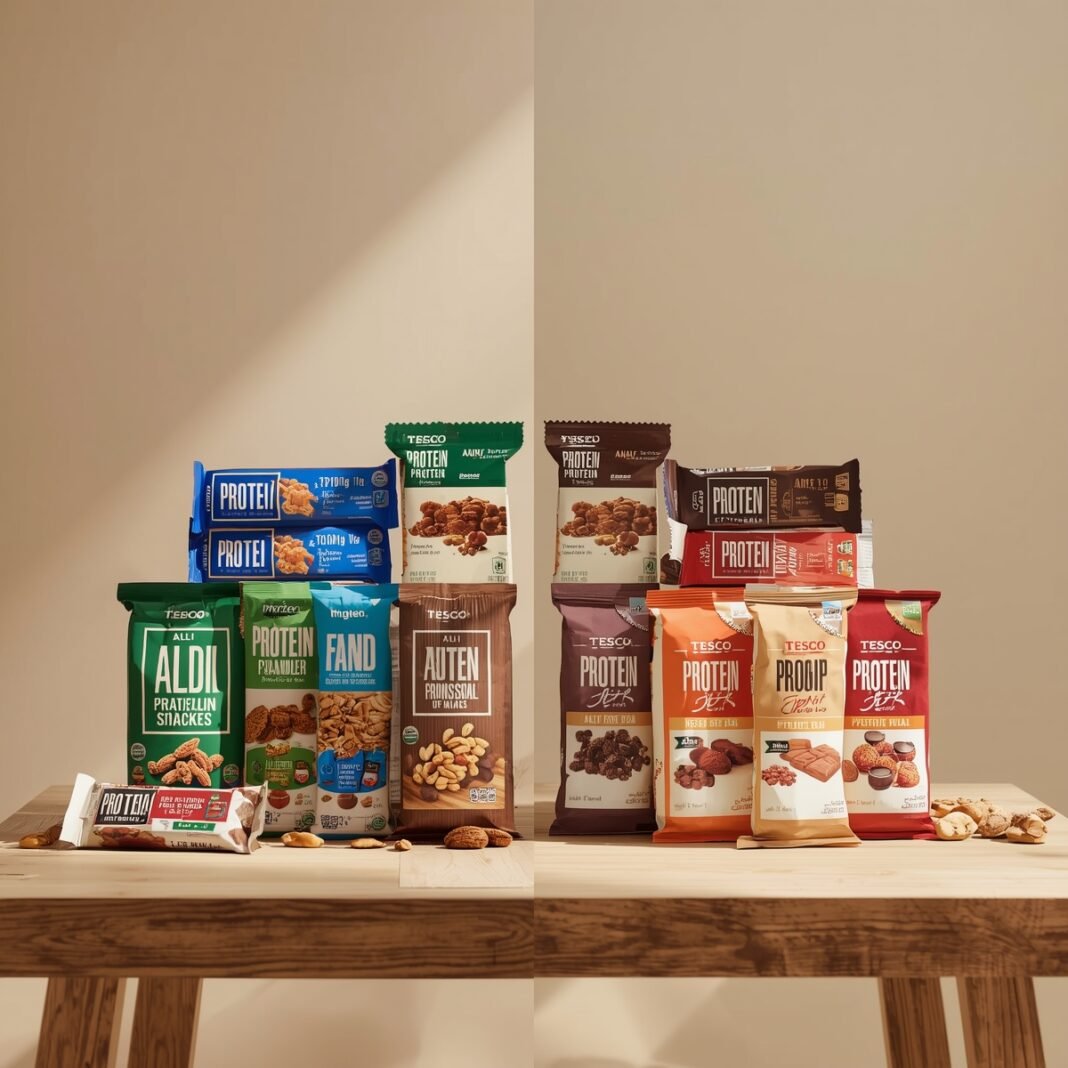

A few years ago, the conversation around Aldi vs Tesco protein snacks moved from niche gym culture to mainstream grocery decision-making.
British shoppers began to pay attention not only to how much they eat, but also to what they eat. But it also depends on what they eat between meals, instead of reaching for sugary cereal bars, chocolate, pastries, or impulse snacks. Many people are leaning toward higher-protein options that promise greater prosperity and satisfaction. For many households, this is not just a taste quality. It is a lifestyle high standard driven by comfort, price, health awareness, and better product availability on supermarket shelves.
How High-Protein Snacking Became a UK Lifestyle

The non-gym goers now understand that higher protein intake can aid in appetite control, maintain lean mass during diets. This improves daily energy levels. In the UK, the fast pace of living also means that snacks need to be practical, portable, and satisfying. Something that causes an energy crash after 30 minutes.
Aldi vs Tesco protein has responded to this demand. All is marketed as protein-forward. This raises a natural question. Who really offers better value and quality?
The Showdown: Aldi vs Tesco Protein Snacks Face-Off

The comparison of Aldi vs Tesco Protein Snacks goes beyond surface-level branding.
To evaluate them properly, we must consider:
- protein quality, not only grams
- calorie density and satiety value
- sugar and sweetener composition
- dietary inclusivity (vegan, gluten-friendly)
- texture and flavour consistency
- value per serving and per gram of protein
- availability and product diversity
Both retailers offer solid options, but through noticeably different strategies
Aldi = cost-efficient, volume-focused supermarket innovation
Tesco = wider selection, premium branded partnerships, better diet inclusivity
Aldi Strengths: Smart Protein for Budget-Conscious Shoppers
Aldi vs Tesco, Protein most popular items are like protein. Pudding and high-protein yogurt focus on larger pot sizes and creamy dessert-like textures. The approximately 20 grams of protein per serving is at a lower price than most branded products. These snacks are an excellent selection for those who want both taste and filling without spending a lot.
This makes Aldi vs Protein ideal for people who eat breakfast every day. People are watching macros or need something that will curb food cravings in the evening. For many dieters, high-volume snacks provide emotional comfort without reducing calorie intake.
Tesco Strengths: Wider Selection & Premium Taste Experience
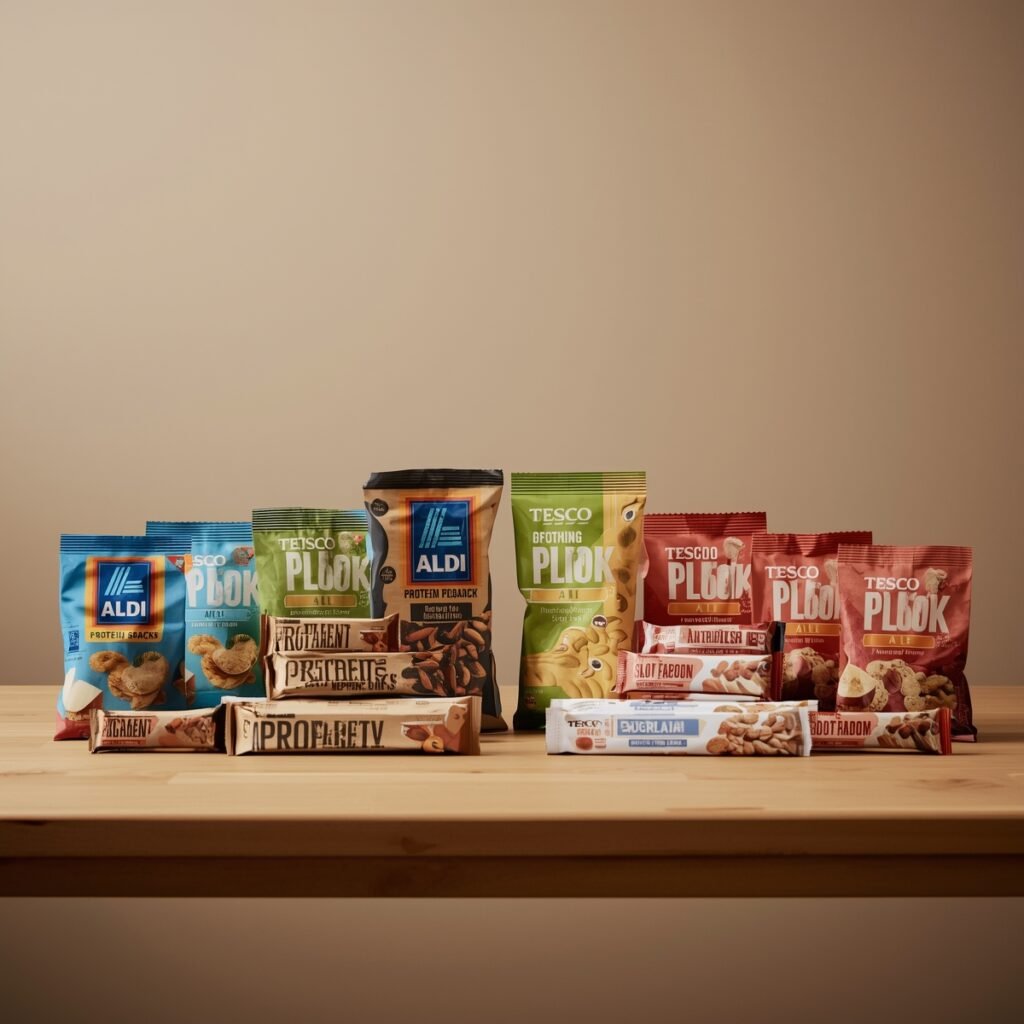
Aldi’s vs Tesco’s protein snack aisle seems more streamlined. Aldi with more varied formats and dietary ideas. This includes popular names with its own brand selection, like Grenade, Barebells, Misfits, PHD, and Trek. Which often offer cleaner flavor profiles, richer textures, and more refined formulations.
Tesco vs Tesco is also strong when it comes to special lifestyle needs. The vegan bars, whey-isolate formulas, gluten-friendly options, and low-sugar items. This makes it a preferred choice for those who prioritize flavor accuracy. The mouthfeel, or ingredient transparency, rather than just quantity.
The trade-off is that cost–premium bars can exceed £2.50 per item.
Ingredient & Nutrition Breakdown: Which Wins?
Protein Source Quality
Tesco leads the way due to branded product partnerships that often use superior protein filtration methods, such as whey isolate and blended sources.
Satiety & Practicality
For picky eaters who want larger portions for the same calories, Aldi is leading the way with its pudding range and dairy-forward snacks.
Sugar, Sweeteners & Gut Comfort
Avoid both high sugar content; However, Tesco’s branded lines contain a lower polyol count, reducing the risk of inflammation.
Value Per Gram of Protein
Aldi is a mismatch in cost-efficiency, making long-term use more financially sustainable.
This makes the Aldi vs Tesco protein snacks decision highly goal-dependent.
Real-World Usage: Which Suits Your Lifestyle?
Instead of deciding which supermarket is “better”. It is more useful to decide which supermarket is best for different daily groceries. For example:
- Refueling after workout: Tesco-branded bars deliver high protein quality and taste consistency
- Evening hunger prevention: Aldi pudding and thick yogurt provide filling
- Budget weekly meal plan: Aldi helps meet protein needs without spending much
- Diet variety and novelty factor: Tesco offers more snack rotation options
- Plant-based shoppers: Vegan representation is strong at Tesco
- This balanced approach supports a healthier and more sustainable snack relationship, not restrictive.
Consumer Behaviour: Why the Debate Exists
Social media raises reviews on TikTok and Instagram Reels, and has turned grocery shopping into an enjoyment. Tesco protein snacks, making the supermarket aisles part of the wellness lifestyle narrative rather than just a shopping task.
Verdict: A Flexible Strategy Wins
Aldi vs Tesco protein snacks debate. It would be misleading to declare either one a winner. Instead, think like a nutrition-smart consumer:
- Buy Aldi when price and perfection matter
- Buy Tesco when experience and dietary precision matter
A balanced “mix and match” mentality that can make long-term compliance the most important factor in any health-focused routine.
Final Thoughts
The Aldi vs Tesco protein conversion snacks reflect a meaningful shift in UK food culture. Snacks are no longer just about taste or impulse comfort. They now represent health goals, identity, budget planning, and weekly structure.
The easy way is not to select the same supermarket forever. It is to understand when each one serves you best.
FAQs
1. Question: Which Aldi vs Tesco protein snacks are suitable for weight management?
Answer: Yes – this comparison of Aldi vs Tesco protein snacks shows that both offer low-sugar, high-protein options that can support calorie control.
2. Question: Which is healthier in the long term?
Answer: It depends on digestion, lifestyle, and overall food balance. Both can fit into a healthy diet – the choice of Aldi vs Tesco protein snacks is personal, not absolute.

